
Welcome to the world of gardening, where the joy of nurturing plants and witnessing their growth is unparalleled. Today, we delve into the fascinating realm of cucumbers, specifically the Burpless variety. Renowned for its crisp texture, refreshing flavor, and unique ability to minimize indigestion, the Burpless cucumber is a favorite among gardeners and food enthusiasts alike.
Whether you are an experienced gardener seeking to expand your cucumber repertoire or a beginner looking to embark on your first gardening adventure, this article will guide you through the characteristics, cultivation, and care of the Burpless cucumber.
Get ready to discover a cucumber variety that not only delights your taste buds but also leaves you without the pesky after-effects of its cousins – the Burpless cucumber is truly a gardener’s dream come true.
What is a Burpless Cucumber?
A Burpless cucumber, also known as an English cucumber, is a variety of cucumber that is known for being crisp, sweet, and virtually seedless. It has a thin skin that is tender and can be eaten without peeling, making it a popular choice for salads and fresh eating.
Unlike other cucumber varieties, Burpless cucumbers have a lower amount of cucurbitacin, a compound that can cause bitterness and indigestion in some individuals. This is why they are called “burpless” as they are less likely to cause gas or burping after consumption. The shape of a Burpless cucumber is typically long and slender, with a smooth and straight appearance.
They can grow anywhere from 8 to 12 inches in length, although they are often harvested when they are around 6 to 8 inches long for optimal flavor and texture. One of the advantages of Burpless cucumbers is that they have a higher water content compared to other cucumber varieties, making them incredibly refreshing and hydrating. They also tend to have a milder taste and are less prone to developing a bitter flavor, even when they become overripe.
When growing Burpless cucumbers in your garden, it is important to provide them with a trellis or support system as they are vining plants that benefit from vertical growth. They require well-drained soil, consistent moisture, and full sun exposure to thrive.
Burpless cucumbers are a delightful variety of cucumber known for their crispness, sweetness, and lack of bitterness. They are a great addition to salads, sandwiches, or simply enjoyed as a healthy snack.
What does Burpless Cucumber taste like?
A Burpless Cucumber has a refreshing and mild taste that is often described as crunchy and juicy. The flavor is slightly sweet with a hint of bitterness, similar to a regular cucumber but without the strong aftertaste or tendency to cause indigestion. The name “Burpless” comes from the fact that this variety is less likely to cause gas or discomfort after consumption. Overall, the taste of a Burpless Cucumber is pleasant and enjoyable, making it a popular choice for salads, snacking, or adding a fresh element to various dishes.
How to start Burpless Cucumber from seed
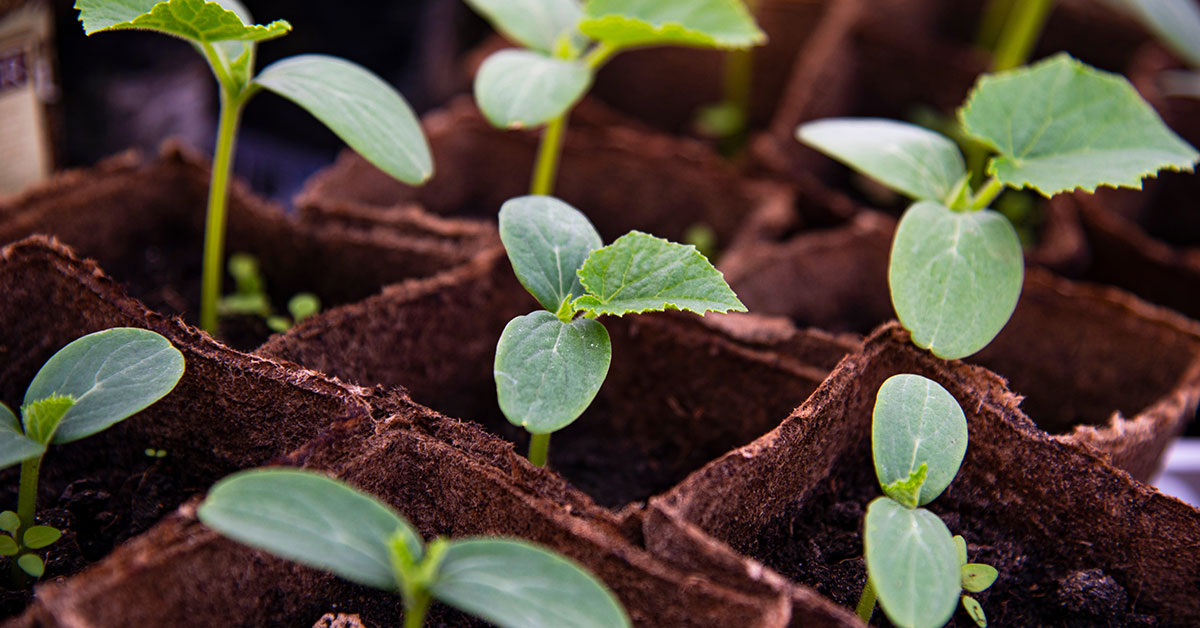
Starting a Burpless cucumber plant from seeds is a fairly simple process. Here’s a step-by-step guide:
- Selecting seeds: Look for Burpless cucumber seeds either online or at your local garden center. Make sure the seeds are fresh and of good quality.
- Preparing the soil: Cucumbers prefer well-draining, fertile soil. Prepare the planting area by removing any weeds or debris. Loosen the soil with a garden fork or tiller to a depth of about 8-10 inches.
- Sowing the seeds: Plant the cucumber seeds directly into the soil, about 1 inch deep. Space the seeds about 12-18 inches apart, leaving enough room for the plants to spread as they grow. You can also sow multiple seeds in each hole and thin them out later if needed.
- Watering: After sowing the seeds, water the soil thoroughly but gently. Keep the soil consistently moist but not waterlogged throughout the germination and growing process.
- Providing proper sunlight: Cucumbers need full sun exposure for at least 6-8 hours a day. Choose a sunny spot in your garden or consider using containers if you have limited space or want to grow them on a patio or balcony.
- Thinning the seedlings: Once the seedlings emerge and grow their first true leaves, you may need to thin them out if you planted multiple seeds in each hole. Choose the healthiest and strongest-looking seedling and remove the rest, leaving one plant per hole.
- Supporting the plants: As the cucumber plants grow, they will need support to keep the vines off the ground and prevent them from getting damaged. You can use trellises, cages, or stakes to provide support and improve air circulation around the plants.
- Watering and fertilizing: Regularly water the plants to keep the soil evenly moist. Cucumbers are heavy feeders, so it’s a good idea to feed them with a balanced fertilizer every 2-3 weeks or use organic compost to enrich the soil.
- Pest and disease control: Keep an eye out for common cucumber pests like aphids, cucumber beetles, and powdery mildew. Regularly inspect the plants and take necessary actions to control pests or diseases, such as using organic insecticides or practicing companion planting.
- Harvesting: Burpless cucumbers are usually ready for harvest within 55-70 days after sowing, depending on the specific variety. Harvest the cucumbers when they reach the desired size, usually around 6-8 inches long. Cut the cucumbers from the vine using a sharp knife or pruning shears.
By following these steps, you should have a successful Burpless cucumber plant growing in your garden in no time!
Planting and growing Burpless Cucumber
To plant and grow Burpless Cucumbers, follow these steps:
- Choose the right time: Burpless Cucumbers are warm-season vegetables, so it’s best to plant them after the last frost date in your area. The soil temperature should be around 60°F (15°C) for optimal germination.
- Select a suitable location: Cucumbers require full sun exposure (at least 6-8 hours of direct sunlight daily) and well-draining soil. Prepare the soil by adding compost or organic matter to improve its fertility and drainage.
- Sow the seeds: Plant the Burpless Cucumber seeds directly into the prepared soil. Sow the seeds about half an inch deep and space them at least 12 inches apart. You can also start seeds indoors 3-4 weeks before the last frost and transplant them outdoors once the soil has warmed up.
- Provide support: Burpless Cucumbers are vining plants and benefit from vertical support. Install a trellis, stake, or fence near the planting area to train the cucumber vines as they grow. This helps save space and improves air circulation, reducing the risk of diseases.
- Water regularly: Cucumbers need consistent moisture to thrive. Water the plants deeply, aiming for about 1-2 inches of water per week. Be careful not to overwater, as it can lead to root rot. Mulching around the plants helps retain moisture and suppresses weed growth.
- Fertilize appropriately: Cucumbers are heavy feeders. Apply a balanced fertilizer, high in nitrogen, phosphorus, and potassium, at the time of planting. Additionally, side-dress the plants with compost or a slow-release organic fertilizer every few weeks during the growing season.
- Monitor pests and diseases: Keep an eye out for common cucumber pests like aphids, cucumber beetles, and spider mites. Regularly inspect the plants for any signs of diseases such as powdery mildew or bacterial wilt. If detected, take appropriate measures like using organic insecticides or fungicides.
- Harvesting: Burpless Cucumbers can be harvested when they reach the desired size, typically 6-8 inches long. Regularly harvest the cucumbers to encourage continuous production. Use a sharp knife or pruning shears to cut the fruits from the vine, avoiding any damage to the plant.
By following these steps, you can successfully plant and grow healthy Burpless Cucumbers in your garden.
When to harvest Burpless Cucumber
The best time to harvest Burpless Cucumbers is when they reach their full size, which is typically around 6 to 8 inches in length. It’s important to regularly check your plants for mature cucumbers and harvest them promptly to ensure optimal flavor and texture. Waiting too long to harvest can result in overripe cucumbers that may become bitter or develop tough skins.