
Welcome to the world of the Japanese cucumber, a delightful addition to any garden or culinary repertoire. Renowned for their crisp texture, refreshing taste, and unique qualities, these cucumbers have gained popularity not only in Japan but also in many parts of the world.
With their slender shape, thin skin, and vibrant green color, Japanese cucumbers are a favorite among gardeners and food enthusiasts alike. Whether you are a seasoned gardener looking to try something new or a beginner eager to embark on your gardening journey, this article will guide you through the fascinating world of Japanese cucumbers.
From their history and varieties to cultivation techniques and culinary uses, this comprehensive guide will equip you with all the knowledge and tips you need to grow, harvest, and enjoy these remarkable cucumbers to the fullest. So, grab your gardening tools and get ready to explore the wonders of Japanese cucumbers!
What is a Japanese Cucumber?
A Japanese cucumber, also known as a kyuri or kyuriuri, is a cucumber variety that is native to Japan. It is a popular vegetable in Japanese cuisine and is known for its crisp texture and mild, refreshing flavor. Japanese cucumbers are typically smaller in size compared to other cucumber varieties, usually measuring around 6 to 8 inches in length.
They have a thin, tender skin that is usually dark green in color, and the flesh is pale green or white. One distinct characteristic of Japanese cucumbers is their seedless or low-seed nature. They have minimal seeds, which contributes to their crisp texture and makes them more enjoyable to eat. The thin skin also adds to their tenderness, making them ideal for eating raw or pickling.
These cucumbers are commonly used in various dishes in Japanese cuisine, including salads, sushi rolls, and as a refreshing side dish. They can also be sliced and used in sandwiches or wraps. Japanese cucumbers are generally easy to grow and are well-suited to both greenhouse and outdoor cultivation. They require a sunny location, well-drained soil, and regular watering to thrive.
With proper care, they can be a rewarding addition to any garden, providing an abundant harvest of delicious, crunchy cucumbers.
What does Japanese Cucumber taste like?
A Japanese cucumber, also known as kyuri or kyuri uri, has a distinct and refreshing taste. It is known for its crisp texture and mild, slightly sweet flavor. The taste is often described as being similar to a regular cucumber, but with a more delicate and subtle flavor profile. Japanese cucumbers are generally less bitter and have thinner skin compared to other varieties, making them perfect for eating raw. They have a high water content, which contributes to their refreshing taste and makes them a popular choice for salads, pickling, or simply enjoyed as a healthy snack.
How to start Japanese Cucumber from seed
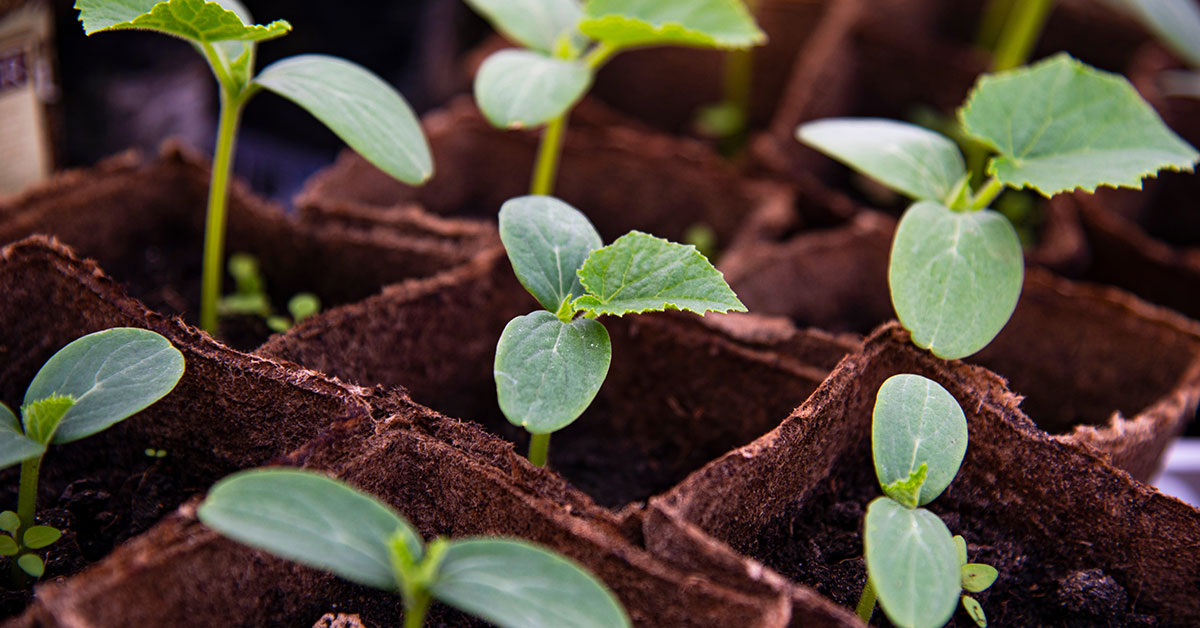
Starting Japanese cucumbers from seeds is a relatively simple process. Here’s a step-by-step guide to help you get started:
- Choose the right time: Japanese cucumbers thrive in warm weather, so it’s best to start them indoors about 4-6 weeks before the last frost date in your region. This will give them a head start and ensure they are ready to be transplanted when the weather warms up.
- Gather the supplies: You’ll need a few things to get started, including Japanese cucumber seeds, seed trays or small pots, seed starting mix, a spray bottle, and a clear plastic cover or plastic wrap.
- Prepare the seed trays or pots: Fill the trays or pots with a good quality seed starting mix. Moisten the mix lightly using a spray bottle to make it evenly damp, but not soaking wet.
- Plant the seeds: Make small holes in the soil about 1/2 inch deep, spaced about 2-3 inches apart. Place one or two cucumber seeds in each hole and cover them with soil. Gently pat down the soil to ensure good seed-to-soil contact.
- Provide warmth and moisture: Cover the trays or pots with a clear plastic cover or plastic wrap to create a mini greenhouse effect. This will help retain moisture and create a warm environment for germination. Place the trays or pots in a warm location, ideally around 70-80°F (21-27°C).
- Maintain moisture and monitor germination: Check the trays or pots daily to ensure the soil remains moist, but not waterlogged. Use the spray bottle to mist the soil if it starts to dry out. Germination typically takes 7-10 days, but it can vary. Once the seedlings emerge, remove the plastic cover.
- Provide adequate light: Place the trays or pots in a location with bright, indirect sunlight or under grow lights. Cucumber seedlings require at least 12-16 hours of light per day to grow strong and healthy.
- Thin and transplant: Once the cucumber seedlings have developed their first true leaves and are about 2-3 inches tall, you’ll need to thin them out if you planted multiple seeds in each hole. Choose the strongest seedling and gently remove the others, being careful not to disturb the roots. Transplant the thinned seedlings into individual pots or larger containers.
- Harden off and transplant outdoors: About a week before the last frost date in your area, start hardening off your cucumber seedlings by gradually exposing them to outdoor conditions. Start with a few hours of outdoor exposure in a sheltered location and gradually increase the time and exposure to direct sunlight. After a week, your cucumber plants should be ready for transplanting into the garden.
- Planting in the garden: Choose a sunny location in your garden with well-draining soil. Before transplanting, prepare the soil by incorporating organic matter and compost. Dig holes that are slightly larger than the root ball of the seedling and gently place it in the hole. Firmly press the soil around the plant and water it well.
- Provide support: Japanese cucumbers are vining plants and will benefit from trellising or support structures. Install a trellis or set up stakes and string to help the cucumber vines climb and prevent them from sprawling on the ground.
- Water and care: Keep the soil consistently moist but not waterlogged throughout the growing season. Cucumbers require regular watering, especially during hot and dry periods. Monitor for pests and diseases and take appropriate measures if needed.
With proper care and attention, your Japanese cucumber plants should thrive and produce an abundance of delicious cucumbers for you to enjoy.
Planting and growing Japanese Cucumber
1. Choose a suitable location: Japanese cucumbers prefer a sunny spot with well-drained soil. Make sure the area receives at least 6-8 hours of direct sunlight daily.
- Prepare the soil: Loosen the soil in the planting area by removing any weeds, rocks, or debris. Add compost or well-rotted manure to improve soil fertility and drainage.
- Plant the seeds: Sow the cucumber seeds directly into the prepared soil. Make small holes about 1 inch deep and space the seeds 12-18 inches apart. Cover the seeds with soil and gently firm it down.
- Water thoroughly: After planting, water the soil thoroughly to ensure good seed-to-soil contact. Keep the soil consistently moist throughout the growing season, especially during hot and dry periods.
- Provide support: Japanese cucumbers are vining plants and benefit from trellising or support. Install a trellis, fence, or stakes nearby to support the growing vines. This will also help save space in your garden.
- Maintain temperature and humidity: Japanese cucumbers prefer warm temperatures between 70-90°F (21-32°C). Use row covers or plastic tunnels to create a warm microclimate if you live in a cooler region. Maintain humidity by mulching around the plants to retain moisture and prevent weed growth.
- Fertilize regularly: Apply a balanced organic fertilizer or compost every 3-4 weeks during the growing season. This will provide essential nutrients for healthy growth and abundant fruiting.
- Monitor pests and diseases: Keep an eye out for common cucumber pests like aphids, cucumber beetles, and powdery mildew. Regularly inspect the plants and take appropriate measures, such as using organic insecticides or practicing companion planting.
- Harvesting: Japanese cucumbers are typically ready for harvest within 50-60 days after planting, but this may vary depending on the variety. Harvest the cucumbers when they reach 6-8 inches in length and have a dark green color. Cut the fruit from the vine using a sharp knife or scissors.
- Pruning and maintenance: Regularly prune off any yellow or damaged leaves to maintain good air circulation and prevent the spread of disease. Remove any excess foliage to allow sunlight to reach the fruit and promote even ripening.
By following these steps, you should be able to successfully plant and grow your Japanese cucumbers. Enjoy the process and the delicious harvest!
When to harvest Japanese Cucumber
The best time to harvest Japanese cucumbers is when they are young and tender, usually around 50-60 days after planting. Japanese cucumbers are typically harvested when they are about 6-8 inches long and have a dark green color. It’s important to regularly check your plants for mature cucumbers, as they can quickly become overripe and lose their crispness if left on the vine for too long. Harvesting them at the right time ensures that you enjoy the best flavor and texture.