
Knowing the importance of timing when it comes to planting cucumbers in zone 5 can mean the difference between success and failure. Zone 5’s climate can be challenging, but fear not, for I am here to guide you through the best time to plant cucumbers in this region.
In this article, we will explore the optimal planting dates, necessary preparations, and tips to ensure a successful cucumber harvest.
Best varieties of Cucumbers for zone 5
There are several cucumber varieties that perform well in zone 5. Here are a few popular options:
- “Marketmore 76”: This is a widely grown variety that produces dark green cucumbers with excellent flavor. It is disease-resistant and performs well in cooler climates.
- “Straight Eight”: This variety produces straight, smooth cucumbers that are about 8 inches long. It has a delicious, crisp texture and is known for its high productivity.
- “Lemon”: If you’re looking for a unique cucumber variety, “Lemon” is a great choice. It produces round, yellow cucumbers that resemble lemons. They have a mild flavor and are perfect for pickling.
- “Bush Champion”: This compact cucumber variety is ideal for smaller gardens or containers. It produces an abundance of medium-sized cucumbers and has good disease resistance.
- “Northern Pickling”: As the name suggests, this variety is well-suited for pickling. It produces small, crispy cucumbers that are great for making homemade pickles.
Remember to check the specific growing requirements for each variety and provide them with adequate sunlight, water, and support if needed.
When to plant Cucumbers in zone 5
In gardening, hardiness zones are a valuable tool used to determine the suitability of various plants in specific regions. The United States Department of Agriculture (USDA) has divided the country into 13 hardiness zones based on average annual minimum temperatures. Each zone represents a specific temperature range and helps gardeners make informed decisions about when and what to plant.
Zone 5 is characterized by cold winters and relatively mild summers. It covers parts of the northern and central United States, including states like Iowa, Illinois, and Ohio. The average minimum temperature in this zone ranges from -20°F to -10°F (-28°C to -23°C).
When it comes to planting cucumbers in zone 5, it is essential to consider the frost dates. Cucumbers are warm-season vegetables that thrive in temperatures between 70°F and 95°F (21°C to 35°C). They are highly susceptible to frost and will not survive if exposed to freezing temperatures.
Typically, the last spring frost in zone 5 occurs around mid to late April, and the first fall frost arrives in late September to mid-October. To determine the best time to plant cucumbers, you need to count backward from the first expected fall frost date, considering the plant’s growth period.
Cucumber plants generally require 50 to 70 days from planting to harvest, depending on the variety. Therefore, you should aim to plant cucumbers around mid to late May in zone 5. By doing so, you allow them enough time to grow and fruit before the first fall frost.
Before planting cucumbers, it is advisable to prepare the soil properly. Use well-drained, fertile, and enriched organic matter soil for best results. Cucumbers thrive in full sun, so choose a location in your garden that receives at least 6 to 8 hours of direct sunlight each day.
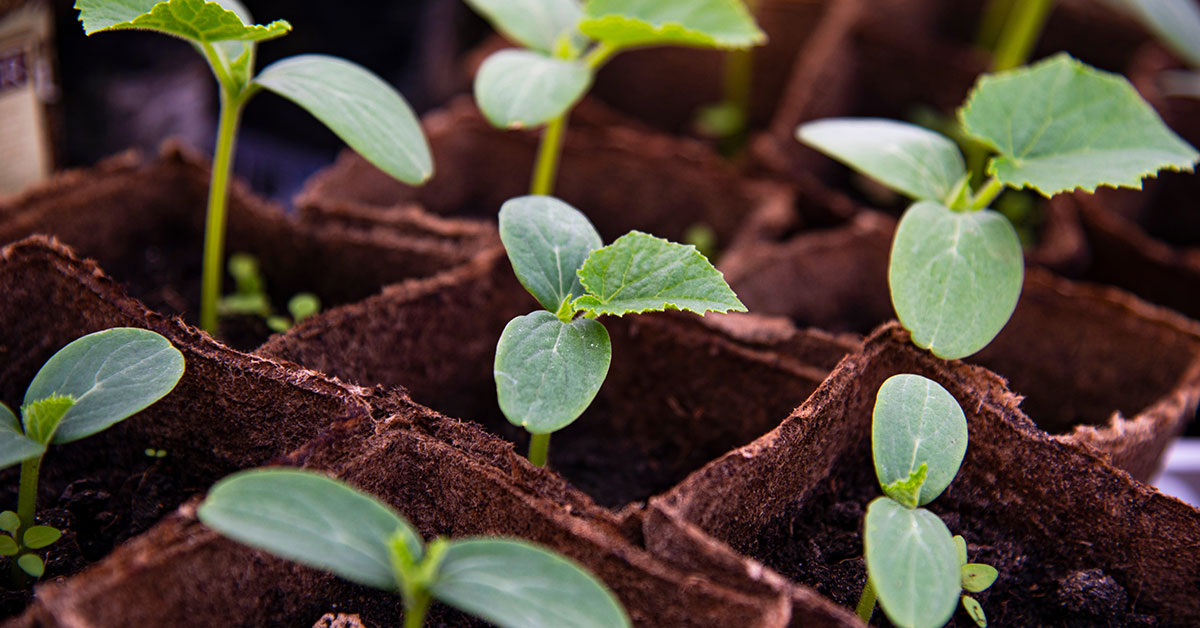
To aid in successful germination and establishment, you can start cucumber seeds indoors 3 to 4 weeks before the desired planting date. Transplant the seedlings outdoors once all danger of frost has passed.
When planting cucumbers, provide them with support such as trellises or cages to keep the vines off the ground, promote air circulation, and prevent disease. Regular watering is crucial, as cucumbers have high water requirements. Additionally, consider applying mulch around the plants to suppress weeds and retain moisture in the soil.
By following these guidelines and planting your cucumbers at the appropriate time in zone 5, you can ensure a bountiful harvest of delicious homegrown cucumbers. Happy gardening!
When to harvest Cucumbers in zone 5
In Zone 5, the optimal time to harvest cucumbers is typically when they reach a length of 6-8 inches and have a firm texture. This is usually around 55-65 days after planting, depending on the cucumber variety. It’s important to regularly check your plants for mature cucumbers and harvest them promptly to encourage continued production. Overripe cucumbers can become bitter and affect the overall quality of the plant.
Other considerations for growing Cucumbers
When growing cucumbers in zone 5, there are several considerations that you should keep in mind:
- Temperature: Cucumbers are warm-season crops and thrive in temperatures ranging from 70°F to 95°F (21°C to 35°C). In zone 5, the growing season can be shorter, so it’s important to start your cucumber plants indoors or in a greenhouse before transplanting them outside once the danger of frost has passed.
- Soil: Cucumbers prefer well-draining, fertile soil with a pH level between 6.0 and 7.0. Amend your soil with organic matter, such as compost, to improve its fertility and drainage.
- Sunlight: Cucumbers require full sunlight for at least 6 to 8 hours a day. Ensure that your cucumber plants are placed in a location that receives ample sunlight throughout the day.
- Watering: Cucumbers have high water requirements and need consistent moisture to prevent bitterness and fruit deformities. Water deeply, keeping the soil consistently moist but not waterlogged. Mulching around the plants can help retain soil moisture.
- Trellising: Consider using trellises or stakes to support your cucumber plants. It helps to maximize space, improves airflow, and prevents the fruit from touching the ground, reducing the risk of rot and disease.
- Pest and disease management: Common pests that affect cucumbers include cucumber beetles, aphids, and powdery mildew. Implement preventive measures such as crop rotation, using floating row covers, and applying organic insecticides or repellents when necessary. Regularly inspect your plants for signs of pests or diseases and take prompt action if needed.
- Pollination: Cucumbers require pollination by bees or other insects to produce fruit. Encourage pollinators by planting flowers nearby or using pollinator-attracting plants in your garden.
- Fertilization: Cucumbers are heavy feeders and benefit from regular fertilization. Apply a balanced, organic fertilizer or compost during planting, and side-dress with additional fertilizer or compost throughout the growing season to ensure healthy growth and fruit production.
By considering these factors, you can successfully grow cucumbers in zone 5 and enjoy a bountiful harvest.