
Growing cucumbers in Wisconsin is popular because of how much they thrive in the diverse climate of the state. However, to ensure the success of your cucumber plants, it is crucial to plant them at the right time. Timing is everything when it comes to gardening, and this article aims to guide you through the best time to plant cucumbers in Wisconsin.
We will explore the optimal seasons, weather conditions, and other factors that play a crucial role in determining the ideal planting time for cucumbers.
Best varieties of Cucumbers for Wisconsin
In Wisconsin, there are several cucumber varieties that do well in the region’s climate. Here are a few popular choices:
- Marketmore 76: This is a classic slicer cucumber variety that is known for its high yields and disease resistance. It produces dark green, straight fruits with a crisp texture.
- Straight Eight: Another popular slicer variety, Straight Eight, is known for its straight, uniform fruits. It has a mild flavor and is great for fresh eating or pickling.
- Diva: Diva cucumbers are known for their smooth, thin skin and sweet flavor. They are seedless and have a crisp texture, making them perfect for salads or eating fresh.
- Bush Champion: If you have limited space, Bush Champion is a compact cucumber variety that doesn’t require much room to grow. It produces small, tasty cucumbers that are great for snacking.
- County Fair: This variety is specifically bred for pickling. County Fair cucumbers are small, crisp, and have excellent flavor. They are perfect for making homemade pickles.
Remember to check the specific growing requirements for each variety and choose the one that best suits your needs and gardening conditions.
When to plant Cucumbers in Wisconsin
In Wisconsin, the state’s hardiness zones are typically classified as zones 3 through 5. These zones indicate the average minimum winter temperatures experienced in different regions of the state. Zone 3 has a minimum temperature range of -40 to -30 degrees Fahrenheit (-40 to -34 degrees Celsius), while zone 5 has a minimum range of -20 to -10 degrees Fahrenheit (-29 to -23 degrees Celsius). This information is crucial for gardeners as it helps determine which plants can withstand the winter conditions in their specific region.
When it comes to planting cucumbers in Wisconsin, it is essential to consider the frost dates for your specific zone. Cucumbers are warm-season vegetables that thrive in temperatures between 70 to 95 degrees Fahrenheit (21 to 35 degrees Celsius) and require a frost-free growing season.
In Wisconsin, the last spring frost typically occurs from mid-April to early May in southern regions (zone 5) and late May to early June in northern parts (zone 3). Therefore, it is generally recommended to start planting cucumbers outdoors after the last expected frost date has passed.
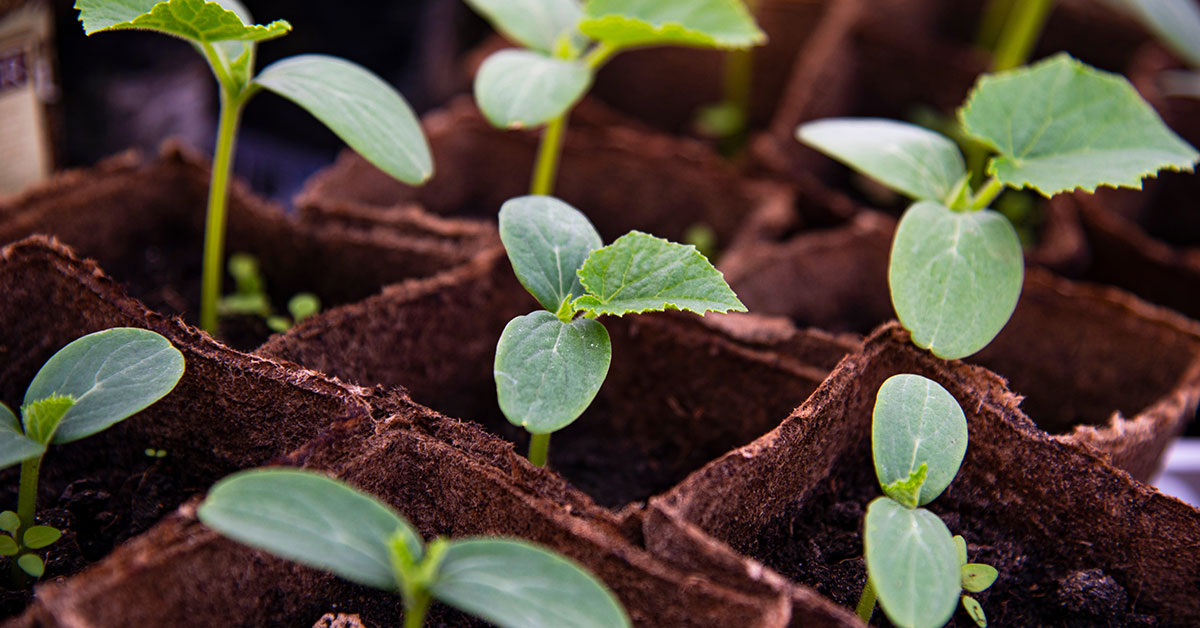
However, cucumbers are quite sensitive to cold temperatures, so it is often advantageous to give them a head start by starting seeds indoors. This can be done about 2 to 4 weeks before the last expected frost date. Sow the cucumber seeds in individual containers or seed trays filled with a well-draining potting mix. Keep the soil consistently moist and provide sufficient light or use grow lights to promote healthy seedling growth.
Once the danger of frost has passed and the soil has warmed up to around 60 degrees Fahrenheit (15 degrees Celsius), you can transplant your cucumber seedlings outdoors. This usually occurs in late May for southern regions and early to mid-June for northern regions of Wisconsin.
When planting cucumbers, choose a sunny location with well-draining soil. Cucumbers thrive in fertile soil with a pH between 6.0 and 7.0. Prepare the soil by incorporating organic matter, such as compost, to improve its fertility and drainage.
Proper spacing is important for cucumber plants to allow for adequate airflow and prevent the spread of diseases. Space the seedlings or seeds about 12 to 24 inches apart in rows that are around 4 to 6 feet apart.
To ensure successful growth, it is crucial to provide regular watering to keep the soil consistently moist. Mulching around the plants can help retain moisture and suppress weed growth.
By following these guidelines and considering your hardiness zone and local frost dates, you can maximize the success of your cucumber plants in Wisconsin. Happy gardening!
When to harvest Cucumbers in Wisconsin
In Wisconsin, the optimal time to harvest cucumbers is typically when they reach their mature size and have a firm texture. This is usually about 50 to 60 days after planting, depending on the variety. You can also look for other signs such as a dark green color, smooth skin, and a slight glossiness. It’s important to check your specific cucumber variety for recommended harvest times, as some may have slightly different maturity dates. Additionally, regular harvesting of cucumbers promotes continuous production, so it’s best to harvest them when they’re ready rather than letting them become overripe.
Other considerations for growing Cucumbers
When growing cucumbers in Wisconsin, there are a few additional considerations to keep in mind:
- Cold Tolerance: Cucumbers are warm-season crops, so it’s important to wait until after the last frost date before planting them. In Wisconsin, this is usually around mid to late May. You can start cucumber seeds indoors a few weeks earlier to get a head start.
- Short Growing Season: Wisconsin has a relatively short growing season, so it’s essential to choose cucumber varieties that have a shorter time to maturity. Look for varieties that can be harvested within 50-60 days.
- Soil Preparation: Cucumbers prefer well-draining soil with a pH level between 6.0 and 7.0. Before planting, amend the soil with organic matter such as compost to improve its fertility and drainage.
- Sunlight Requirements: Cucumbers thrive in full sun, so make sure they receive at least 6-8 hours of direct sunlight per day. Choose a location in your garden that offers maximum exposure to sunlight.
- Trellising: To save space and promote better air circulation, consider using trellises or stakes to support your cucumber plants. This will also help keep the fruits off the ground, reducing the risk of rot and disease.
- Watering: Cucumbers have high water requirements, especially during hot summer months. Provide consistent moisture by watering deeply and regularly. Avoid overhead watering to prevent the spread of fungal diseases. Consider using drip irrigation or soaker hoses to deliver water directly to the roots.
- Pest and Disease Management: Cucumbers can be susceptible to pests like cucumber beetles, aphids, and powdery mildew. Monitor your plants regularly for any signs of infestation or disease and take appropriate action, such as using organic insecticides or fungicides if necessary.
- Successive Planting: To extend your cucumber harvest throughout the season, consider planting multiple successions of cucumbers, usually every 2-3 weeks. This will ensure a continuous supply of fresh cucumbers.
By considering these factors, you can increase your chances of growing healthy and productive cucumber plants in Wisconsin.