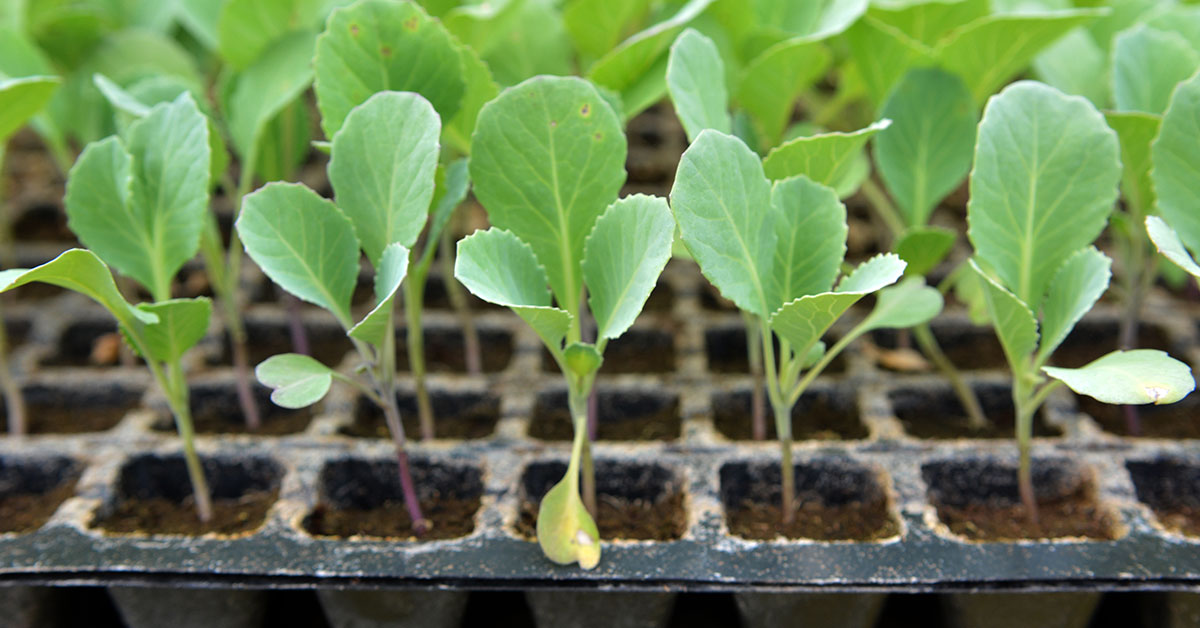

Welcome to the world of gardening in South Dakota! If you’re considering growing cabbage in your garden, you’ve made a wise choice. Cabbage is a versatile and nutritious vegetable that thrives in our region’s climate. Planting cabbage in South Dakota requires a deep understanding of the state’s climate zones and final frost dates.
In this article, we will delve into the best time to plant cabbage in South Dakota and provide you with all the information you need to ensure a bountiful harvest. So, whether you’re a seasoned gardener or a novice just starting out, keep reading to discover the optimal planting time and tips for growing cabbage in the beautiful state of South Dakota.
Best varieties of cabbage to grow in South Dakota
In South Dakota, there are several varieties of cabbage that grow well in the region’s climate. Here are a few recommended varieties:
- ‘Golden Acre’: This is a popular variety known for its round, compact heads and sweet flavor. It matures relatively quickly, usually within 60-70 days.
- ‘Early Jersey Wakefield’: This heirloom variety produces pointed, conical heads and is known for its early maturity. It is resistant to some common cabbage pests and diseases.
- ‘Red Express’: If you prefer red cabbage, ‘Red Express’ is a great choice. It has deep purple-red heads that add beautiful color to salads or coleslaw.
- ‘Late Flat Dutch’: This variety is ideal for those looking for a late-season cabbage. It forms large, flat heads that can weigh up to 10 pounds. It has a long maturity period, usually about 100-120 days.
- ‘Stonehead’: This variety is known for its excellent heat tolerance, making it suitable for South Dakota’s sometimes hot summers. It produces medium-sized heads that are dense and flavorful.
Remember, it’s always a good idea to check with local nurseries or agricultural extension offices for specific recommendations based on your exact location within South Dakota.
When to plant Cabbage in South Dakota
In South Dakota, the United States Department of Agriculture (USDA) has divided the state into various hardiness zones based on their average annual minimum temperatures. These zones are crucial for gardeners as they provide valuable information about the suitability of plants in different regions. South Dakota’s hardiness zones range from 3a to 5b.
Cabbage, a cool-season vegetable, thrives in the colder months of the year. It prefers cool temperatures and can tolerate light frosts. In South Dakota, the best time to plant cabbage depends on the specific hardiness zone.
For gardeners in the southernmost part of South Dakota, which falls under hardiness zone 5b, the optimal time to plant cabbage is in early spring, around mid-April. By this time, the soil has usually thawed and temperatures are consistently above freezing, providing ideal conditions for cabbage seedlings to establish themselves.
In the central region, encompassing hardiness zones 4a and 4b, it is advisable to wait until late April or early May to plant cabbage. These areas tend to experience slightly cooler temperatures and a longer winter, so it is essential to ensure that the soil has warmed up adequately before transplanting cabbage seedlings.
In the northernmost parts of South Dakota, classified as hardiness zone 3a, gardeners should wait until mid to late May to plant cabbage. These areas have a shorter growing season and are more prone to late frosts, so it is crucial to give the seedlings enough time to grow before the arrival of colder temperatures.
When planting cabbage, it is vital to choose a sunny location and prepare the soil by incorporating organic matter and ensuring proper drainage. Cabbage plants also benefit from regular watering, weed control, and protection against common pests such as cabbage worms and aphids.
By following these guidelines and taking into account South Dakota’s hardiness zones, you can ensure the best chances of success when planting cabbage in your garden. Happy gardening!
When to harvest Cabbage in South Dakota
The optimal time to harvest cabbage in South Dakota typically falls between late summer and early fall. Cabbage is a cool-season crop, and it is best to harvest it when the heads are firm and have reached their desired size. This usually occurs around 70 to 90 days after transplanting or 100 to 120 days after sowing seeds, depending on the variety. It is important to monitor the cabbage plants closely during this time and harvest them before they become overmature, as they may start to crack or split. Additionally, keep an eye on the weather, as colder temperatures and frost can affect the quality of the cabbage.
Other considerations
When growing cabbage in South Dakota, there are several additional considerations to keep in mind:
- Climate: South Dakota has a short growing season with cool temperatures. Therefore, it is important to choose cabbage varieties that are suitable for colder climates and have a shorter maturity period. Look for varieties that are labeled as “early” or “cold-hardy.”
- Timing: Cabbage is a cool-season crop and can tolerate light frosts. Start seeds indoors about 6-8 weeks before the last expected frost date. Transplant seedlings outdoors when the soil has warmed up and all danger of frost has passed.
- Soil: Cabbage prefers a fertile soil that is well-draining and rich in organic matter. Prior to planting, amend the soil with compost or well-rotted manure to improve its fertility and drainage. Aim for a soil pH of around 6.5-7.0.
- Sunlight: Cabbage requires at least 6-8 hours of direct sunlight every day to thrive. Ensure that your garden bed is located in a spot that receives adequate sunlight throughout the day.
- Watering: Cabbage needs consistent moisture to grow properly. Water deeply and regularly, aiming to keep the soil evenly moist but not waterlogged. Use a soaker hose or drip irrigation system to deliver water directly to the plant roots and avoid wetting the foliage, which can increase the risk of disease.
- Mulching: Applying a layer of organic mulch, such as straw or shredded leaves, around the base of the cabbage plants can help retain moisture in the soil, suppress weeds, and regulate soil temperature.
- Pest and Disease Management: Cabbage is susceptible to various pests and diseases, such as cabbage worms, aphids, and clubroot. Monitor your plants regularly and take appropriate measures, such as handpicking pests or using organic insecticides, to control infestations. Practice crop rotation to minimize the risk of disease.
- Fertilization: Cabbage is a heavy feeder and requires regular fertilization. Before planting, incorporate a balanced fertilizer into the soil. Additionally, side-dress the plants with a nitrogen-rich fertilizer every 3-4 weeks during the growing season.
- Harvesting: Cabbage heads are ready to harvest when they are firm and have reached the desired size. Cut the heads off at the base with a sharp knife. Leave the outer leaves intact to help protect the inner leaves during storage.
By considering these factors and providing the necessary care, you can successfully grow cabbage in South Dakota.