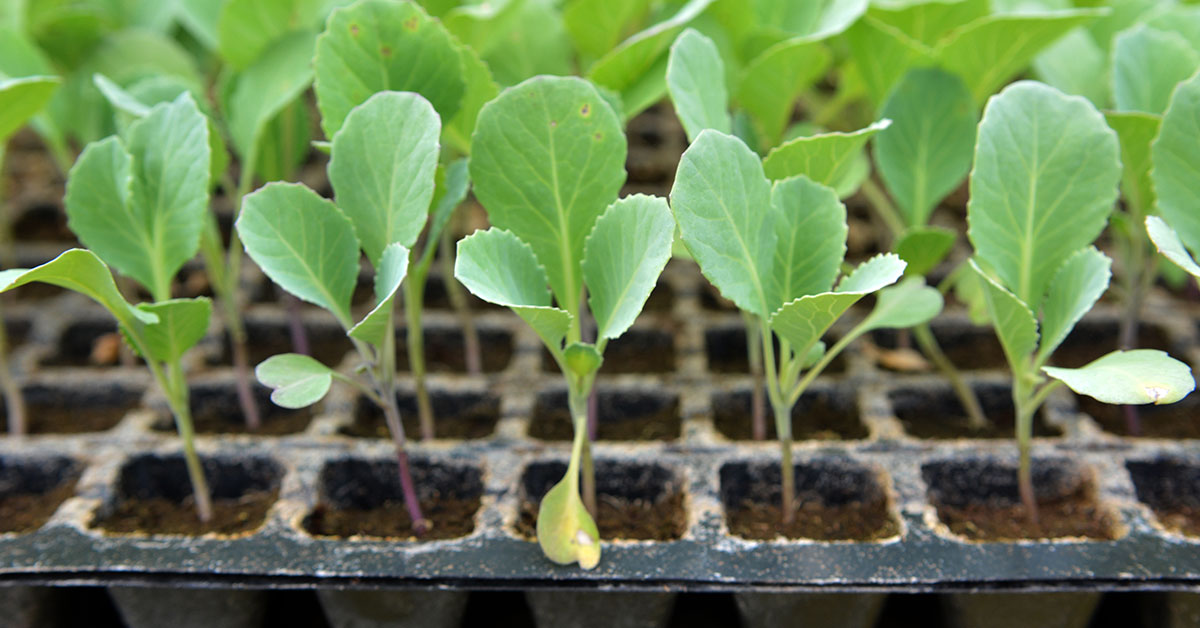

If you’re a gardener in South Carolina looking to grow your own delicious and nutritious cabbage, you’ve come to the right place. Planting cabbage in South Carolina requires a deep understanding of the state’s climate zones and final frost dates.
In this article, we will discuss the optimal planting time for cabbage in South Carolina, taking into consideration the state’s unique climate and varying regions. By understanding what factors to consider and when to plant, you’ll be well on your way to enjoying homegrown cabbage that is crisp, flavorful, and packed with nutrients. So, let’s dive in and discover the ideal time to get those cabbage seeds or seedlings in the ground!
Best varieties of cabbage to grow in South Carolina
There are several good varieties of cabbage that grow well in South Carolina. Here are a few recommendations:
- ‘Charleston Wakefield’: This is a popular heirloom variety that is well-suited to South Carolina’s climate. It produces medium-sized, conical heads with tender leaves.
- ‘Early Jersey Wakefield’: Another heirloom variety, ‘Early Jersey Wakefield’ is known for its early maturity and excellent flavor. It produces small to medium-sized heads that are perfect for fresh eating.
- ‘Golden Acre’: This variety is a compact cabbage that produces small to medium-sized heads. It has a mild and sweet flavor, making it a great choice for salads and slaws.
- ‘Late Flat Dutch’: If you prefer larger heads, ‘Late Flat Dutch’ is a good option. This variety takes longer to mature but produces large, dense heads that are perfect for cooking and storing.
- ‘Red Express’: For those looking for colorful cabbage, ‘Red Express’ is a great choice. It produces vibrant purple-red heads that add a pop of color to salads and coleslaws.
Remember to choose varieties that are resistant to common diseases and pests in your area. Proper care, such as regular watering and fertilizing, will also help your cabbage plants thrive.
When to plant Cabbage in South Carolina
In South Carolina, the state’s hardiness zones can vary from Zone 7 in the northern regions to Zone 9 in the southern coastal areas. These zones are determined by the average minimum winter temperatures and help gardeners understand which plants are most likely to thrive in their specific region.
When it comes to planting cabbage in South Carolina, it is important to consider both the hardiness zones and the ideal growing conditions for this cool-season crop. Cabbage is a hardy vegetable that can tolerate some frost and prefers cooler temperatures for optimal growth. However, it is generally recommended to plant cabbage in South Carolina during the fall or early spring.
For the northern regions of the state, where the hardiness zone is Zone 7, the best time to plant cabbage is in early fall, around late August to early September. This allows the plants to establish before the first frost and ensures a good harvest during the cooler months.
In the southern coastal areas of South Carolina, where the hardiness zone is Zone 9, cabbage can be planted in late fall or early winter, around November to December. The milder winters in this region provide an extended growing season, allowing the cabbage plants to thrive during the cooler months.
It is important to note that these are general guidelines, and specific planting times may vary depending on the specific location within South Carolina, as well as weather conditions in a given year. It is always a good idea to consult with local gardening resources, such as the local cooperative extension office or experienced gardeners in your area, for more specific planting recommendations based on your location.
Additionally, cabbage is a versatile crop that can be grown as a spring crop in some areas of South Carolina, with planting times ranging from late February to early March. This allows for a harvest during the spring and early summer months.
To ensure successful cabbage planting, it is important to choose a well-draining location with full sun exposure. Cabbage plants require fertile soil with a pH level between 6.0 and 6.5. Regular watering and proper pest control measures are also essential for healthy cabbage growth.
By considering the hardiness zones and ideal planting times, along with providing the appropriate growing conditions, you can enjoy a plentiful harvest of cabbage in your South Carolina garden.
When to harvest Cabbage in South Carolina
The optimal time to harvest cabbage in South Carolina is typically in the late fall or early winter, around 80 to 100 days after transplanting. This timeframe ensures that the cabbage heads have had enough time to mature and develop fully. It is important to monitor the size and firmness of the cabbage heads as a visual indicator of readiness for harvest. Additionally, you can gently squeeze the heads; if they feel firm and solid, they are likely ready to be harvested.
Other considerations
When growing cabbage in South Carolina, there are several additional considerations to keep in mind:
- Temperature: Cabbage prefers cool temperatures and can tolerate light frosts, but it may struggle in South Carolina’s hot and humid climate. Consider planting cabbage in the fall or early spring when temperatures are milder.
- Sunlight: Cabbage requires at least 6 hours of direct sunlight per day. Ensure that your cabbage patch receives ample sunlight throughout the day.
- Soil: Cabbage prefers well-draining, fertile soil with a pH between 6.0 and 7.5. Conduct a soil test to determine the nutrient levels and pH of your soil. Amend the soil with organic matter, such as compost or aged manure, to improve its fertility and drainage.
- Watering: Cabbage needs consistent moisture to develop properly. Regularly water your cabbage plants, aiming for about 1 inch of water per week. Avoid overwatering, as it can lead to disease problems.
- Mulching: Applying a layer of organic mulch around the base of cabbage plants can help conserve moisture, suppress weeds, and regulate soil temperature. Consider using straw, wood chips, or grass clippings as mulch.
- Pest and disease management: Cabbage can be susceptible to various pests and diseases, such as cabbage worms, aphids, and clubroot. Monitor your plants regularly and take appropriate measures, such as handpicking pests or using organic insecticides, to manage infestations. Rotate your cabbage crops every year to minimize the risk of disease buildup in the soil.
- Companion planting: Consider planting cabbage alongside companion plants that can help deter pests or improve growth. Some beneficial companions for cabbage include onions, garlic, celery, and aromatic herbs like dill or thyme.
- Harvesting: Cabbage is typically ready for harvest 70 to 100 days after planting, depending on the variety. Harvest the heads when they reach the desired size and are firm to the touch. Cut the heads at the base, leaving a few outer leaves intact.
By considering these factors and providing proper care, you can have a successful cabbage harvest in South Carolina.