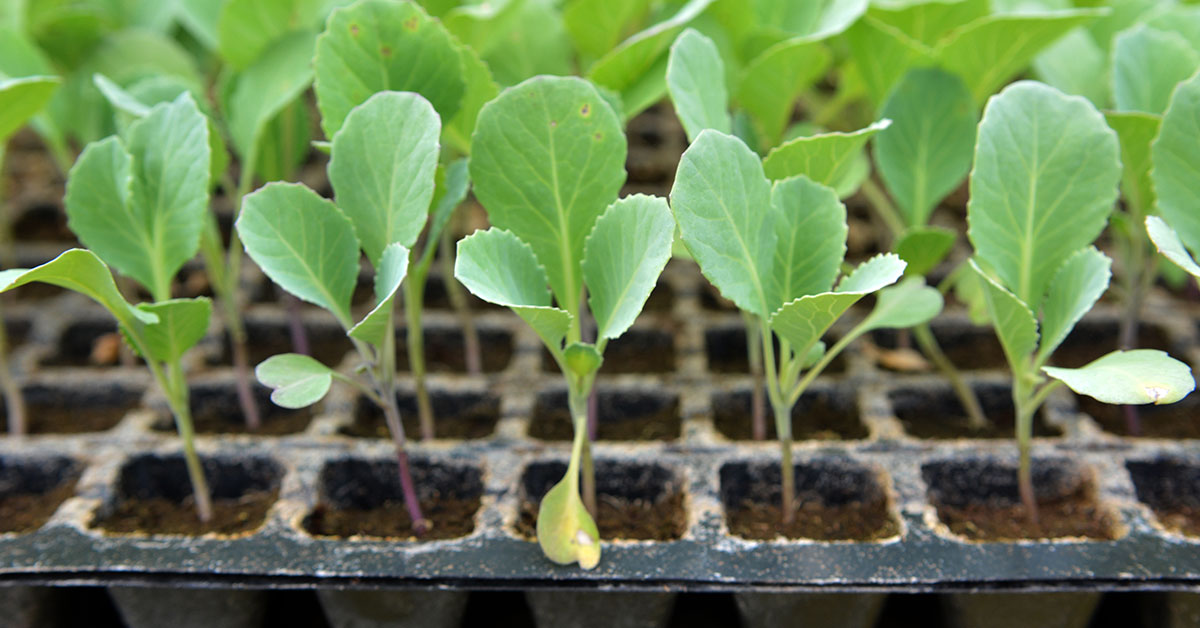

Welcome to the world of gardening in Rhode Island! If you’re a cabbage lover looking to grow your own delicious and nutritious heads of this leafy green vegetable, you’ve come to the right place. Planting cabbage in Rhode Island requires a deep understanding of the state’s climate zones and final frost dates.
However, knowing the best time to plant cabbage is crucial for a bountiful harvest. In this article, we will guide you through the optimal planting window, considering both the weather patterns and the specific requirements of cabbage plants. Whether you’re a seasoned gardener or a beginner, get ready to learn all about the ideal time to plant cabbage and enjoy a thriving vegetable garden right in your backyard.
Best varieties of cabbage to grow in Rhode Island
In Rhode Island, there are several varieties of cabbage that grow well in the region’s climate. Here are a few recommended varieties:
- Early Jersey Wakefield: This is a popular heirloom variety that produces small to medium-sized, conical-shaped heads. It matures early and is known for its sweet and tender flavor.
- Copenhagen Market: This variety is known for its uniform, round heads that have a good storage life. It is a reliable producer and has a crisp texture with a mild flavor.
- Red Express: If you prefer red cabbage, Red Express is a great choice. It produces small to medium-sized heads with deep purple-red leaves. It has a sweet and mild flavor.
- Golden Acre: This is a compact variety that produces small to medium-sized heads. It is known for its excellent flavor and good resistance to splitting.
- Stonehead: Stonehead cabbage is a dependable variety that produces medium-sized, round heads. It has a sweet and crisp texture, making it a great choice for both raw and cooked dishes.
Remember, it’s important to check with your local garden center or nursery for specific varieties that are well-suited to your microclimate and growing conditions.
When to plant Cabbage in Rhode Island
In Rhode Island, the hardiness zones generally range from Zone 6a to Zone 7a. These zones indicate the average minimum temperatures experienced in a particular area, which help gardeners determine which plants are suitable for their region.
When it comes to planting cabbage in Rhode Island, it is important to consider both the hardiness zones and the specific requirements of the cabbage plant. Cabbage is a cool-season vegetable that prefers moderate temperatures for optimal growth and development.
In Rhode Island, the best time to plant cabbage is typically in early spring or late summer. For spring planting, it is advisable to sow cabbage seeds indoors 6 to 8 weeks before the last expected frost date. Then, around 2 to 4 weeks before the last frost, you can transplant the seedlings into the garden.
If you choose to plant cabbage in late summer for a fall harvest, start seeds indoors in midsummer and transplant the seedlings into the garden around 8 to 10 weeks before the first expected fall frost. This timing allows the cabbage plants to mature before the colder temperatures arrive.
It is important to note that cabbage prefers cool temperatures between 60°F to 70°F (15°C to 21°C). Therefore, it is crucial to avoid planting cabbage during the hottest months of summer, as excessive heat can cause the plants to bolt or develop a bitter taste.
Additionally, cabbage requires fertile, well-draining soil with a pH between 6.0 and 6.8. It thrives in full sun but can tolerate some shade. Adequate moisture is also essential for cabbage growth, so regular watering is necessary, especially during dry periods.
By following these guidelines and considering the hardiness zones, you can successfully plant cabbage in Rhode Island and enjoy a bountiful harvest.
When to harvest Cabbage in Rhode Island
The optimal time to harvest cabbage in Rhode Island is typically in the late summer or early fall. Cabbage is a cool-season crop that thrives in cooler temperatures. It usually takes around 70 to 100 days for cabbage to mature, depending on the variety.
In Rhode Island, you can start planting cabbage as early as late spring or early summer, depending on the specific variety and the last frost date in your area. You can use this information to calculate when your cabbage will be ready for harvest.
To determine if your cabbage is ready to harvest, check the size and firmness of the heads. Cabbage heads should be solid and firm to the touch. They should also have reached their desired size, which will vary depending on the variety you planted. Typically, cabbage heads are ready for harvest when they are around 6-9 inches in diameter.
Additionally, keep an eye out for any signs of splitting or cracking in the cabbage heads. If you notice any of these signs, it’s best to harvest the cabbage immediately to prevent further damage.
Overall, monitoring the growth and development of your cabbage plants is crucial to determine the optimal time for harvest.
Other considerations
When growing cabbage in Rhode Island, there are a few important considerations to keep in mind:
- Climate: Rhode Island has a humid continental climate, which means summers can be hot and humid, while winters are cold and snowy. Cabbage prefers cooler temperatures, so it is best to plant them in the spring or fall to avoid extreme heat or frost.
- Soil: Cabbage plants require well-draining soil rich in organic matter. Before planting, amend the soil with compost or well-rotted manure to improve fertility and drainage. The ideal soil pH for cabbage is between 6.0 and 7.5.
- Sunlight: Cabbage thrives in full sun, which is defined as at least six hours of direct sunlight per day. Choose a location in your garden that receives ample sunlight to ensure healthy growth and development.
- Watering: Cabbage needs consistent moisture to grow well. Water the plants deeply and regularly, aiming to keep the soil evenly moist but not waterlogged. Avoid overhead watering, as wet foliage can increase the risk of disease.
- Planting and spacing: Cabbage plants should be spaced about 12-18 inches apart to allow for proper air circulation and growth. Pay attention to the recommended planting dates for your specific cabbage variety and consider using row covers or other protective measures if planting in early spring or late fall to protect against temperature fluctuations.
- Fertilization: Cabbage is a heavy feeder and benefits from regular fertilization. Before planting, incorporate a balanced fertilizer into the soil. Additionally, side dress the plants with a nitrogen-rich fertilizer every few weeks to promote healthy leafy growth.
- Pest and disease management: Cabbage can be susceptible to various pests and diseases, such as cabbage worms, aphids, slugs, and clubroot. Monitor your plants regularly, handpick pests when possible, and consider using organic insecticides or natural deterrents. Practice crop rotation and avoid planting cabbage in the same spot year after year to minimize disease issues.
- Harvesting: Cabbage heads are ready for harvest when they feel firm and have reached the desired size. Cut the heads off at the base of the plant, leaving the outer leaves intact. Store harvested cabbage in a cool, dry place or in the refrigerator to prolong its shelf life.
By considering these factors, you can increase your chances of growing healthy and productive cabbage in Rhode Island.