
When it comes to growing cabbage in the Garden State, timing is everything. New Jersey’s diverse climate and variable weather patterns make it crucial to choose the optimal time for planting this leafy green vegetable. Planting cabbage in New Jersey requires a deep understanding of the state’s climate zones and final frost dates.
Whether you’re a seasoned gardener or just starting out, understanding the best time to plant cabbage in New Jersey is essential for ensuring a successful harvest. In this article, we will delve into the specific considerations and recommended planting dates to help you make the most of your cabbage-growing journey in the Garden State.
Best varieties of cabbage to grow in New Jersey
In New Jersey, there are several varieties of cabbage that perform well in the local climate. Here are some recommended varieties:
- Early Jersey Wakefield: This variety is a classic early-season cabbage, known for its conical shape and tender, sweet flavor. It matures in around 60-70 days.
- Copenhagen Market: This cabbage variety produces medium to large heads that are solid and tightly packed. It has a good resistance to splitting and is suitable for both early and late season planting.
- Red Express: If you prefer red cabbage, Red Express is a great choice. It has small to medium-sized heads with deep red color and a slightly milder flavor compared to green cabbage.
- Stonehead: This variety is ideal for those looking for a cabbage that stores well. Stonehead produces medium-sized, round heads that are very solid and compact. It has good resistance to disease and can be harvested around 75-85 days after planting.
- January King: This cabbage variety is known for its unique appearance, with green outer leaves and purple-tinged inner leaves. It has a sweet and crisp flavor and can be harvested from late fall through winter.
Remember to check with your local nursery or extension office for specific recommendations based on your location and growing conditions.
When to plant Cabbage in New Jersey
New Jersey is located in USDA hardiness zones 6a to 7b. These zones are defined by the average annual minimum temperature and are crucial in determining the types of plants that can thrive in a particular region.
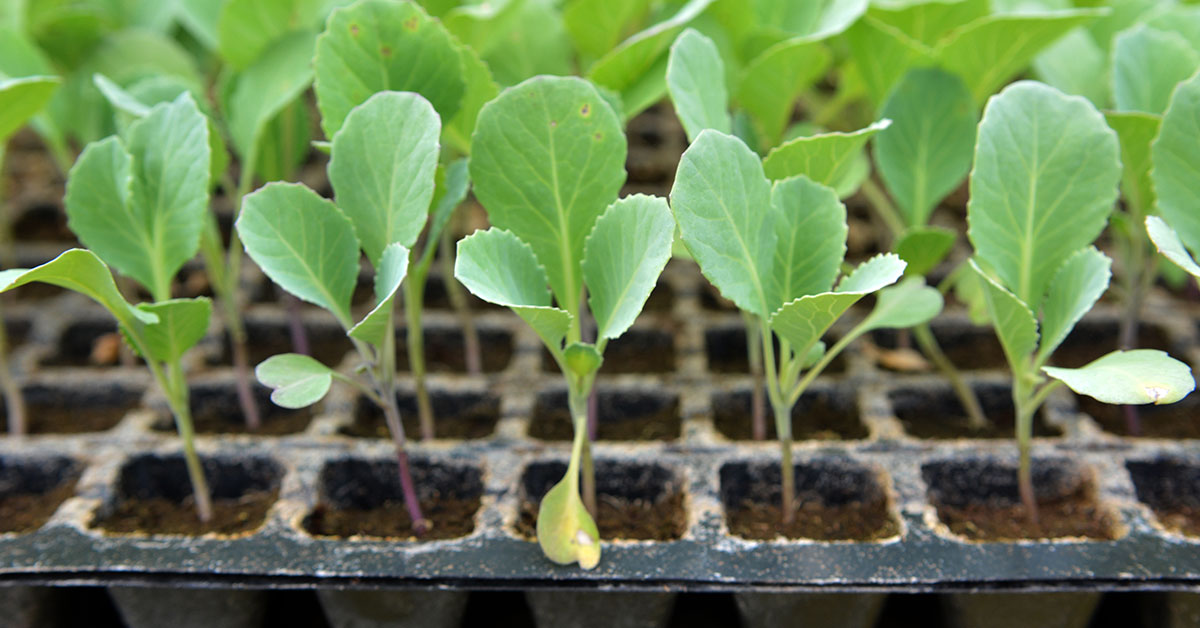
When it comes to planting cabbage in New Jersey, the best time to do so depends on whether you are starting from seeds or transplants. If you plan on starting from seeds, it is recommended to begin indoors approximately 6-8 weeks before the last expected frost date. In New Jersey, the average last frost date ranges from mid-April to early May, depending on your specific location within the state.
For transplants, it is best to start them indoors about 4-6 weeks before the last expected frost date. This will allow the young cabbage plants to establish a strong root system before being transferred outdoors. Transplanting should occur about 2-3 weeks before the last frost date.
Ideally, cabbage thrives in cool weather, so it is important to ensure that the plants are not exposed to extreme heat. In New Jersey, planting cabbage in early spring or late summer/early fall is ideal. This timing allows the cabbage to grow and mature before the intense heat of summer or the freezing temperatures of winter.
Additionally, it is crucial to provide cabbage with well-drained soil, plenty of sunlight, and regular watering. Cabbage plants require a minimum of 6 hours of direct sunlight daily to ensure proper growth and development. Adequate spacing between plants is also necessary to allow for good air circulation, which helps prevent diseases.
By following these guidelines and considering the hardiness zones and planting times, you can increase your chances of having a successful cabbage harvest in New Jersey. Remember to consult local gardening resources or extension offices for more specific information based on your exact location within the state.
When to harvest Cabbage in New Jersey
The optimal time to harvest cabbage in New Jersey is typically in the late summer or early fall, around 70-90 days after transplanting. This timeframe usually falls between mid-August and mid-October. However, it is important to monitor your cabbage plants closely for signs of maturity. Cabbage heads should be firm and dense, with the outer leaves tightly wrapped around the head. Avoid waiting too long to harvest, as overripe cabbage can become tough and develop a bitter taste.
Other considerations
When growing cabbage in New Jersey, there are several other considerations to keep in mind:
- Climate: Cabbage prefers cool temperatures, ideally between 60-70°F (15-21°C). Ensure that you plant cabbage in the appropriate season, as it can be challenging to grow in extreme heat or cold. In New Jersey, spring and fall are typically the best seasons for cabbage cultivation.
- Soil: Cabbage thrives in well-draining, fertile soil with a pH level between 6.0-7.5. Conduct a soil test to determine the pH level and make any necessary adjustments by adding lime to raise the pH or sulfur to lower it. Additionally, incorporate organic matter such as compost or aged manure to enhance soil fertility.
- Sunlight: Cabbage requires full sun exposure for at least 6-8 hours a day. Ensure that your cabbage plants receive ample sunlight to promote healthy growth and development.
- Watering: Cabbage needs consistent moisture to grow properly, so it’s important to water regularly. However, avoid overwatering, as it can lead to disease issues. Aim for 1-1.5 inches of water per week, either through rainfall or supplemental irrigation.
- Planting and spacing: Give cabbage plants enough space to grow to their full potential. Space them about 12-24 inches apart, depending on the variety. This allows air circulation and reduces the risk of disease.
- Pest and disease control: Cabbage is susceptible to various pests, including cabbage worms, aphids, and flea beetles. Implement preventive measures like using row covers, applying organic insecticides, or introducing beneficial insects like ladybugs or lacewings. Be vigilant in monitoring for signs of disease such as clubroot, black rot, or fusarium wilt, and take appropriate measures to control them.
- Crop rotation: To prevent the buildup of pests and diseases, practice crop rotation by not planting cabbage or other brassicas in the same spot for at least three years.
- Harvesting: Harvest cabbage heads when they reach the desired size and firmness. Cut the heads off at the base, leaving a few outer leaves to protect the inner core during storage.
By considering these factors and providing proper care, you can have a successful cabbage harvest in New Jersey.