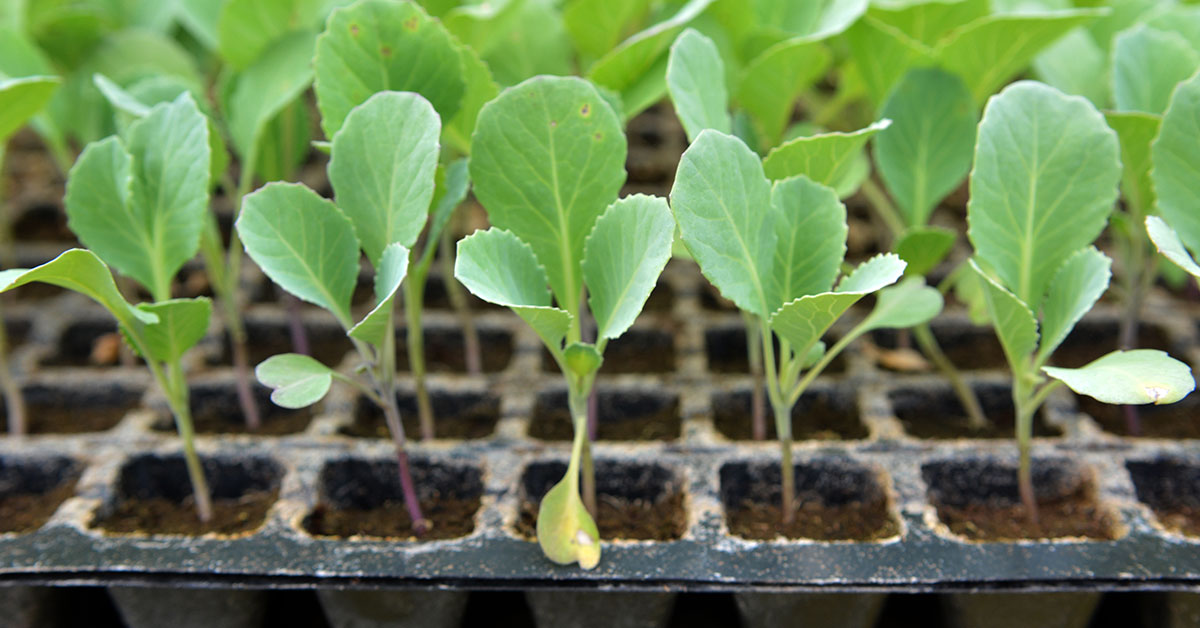

Are you a gardening enthusiast in New York looking to cultivate your own delicious and nutritious cabbage? Well, you’re in luck! Cabbage, a versatile and hardy vegetable, can thrive in the diverse climate of the Empire State. Planting cabbage in New York requires a deep understanding of the state’s climate zones and final frost dates.
In this article, we will guide you through the ideal planting window, taking into account the state’s unique weather patterns and growing conditions. Whether you’re a seasoned gardener or a novice, read on to discover the tips and tricks for successfully growing cabbage in your New York garden.
Best varieties of cabbage to grow in New York
There are several good varieties of cabbage that thrive in the climate of New York. Here are a few recommendations:
- Early Jersey Wakefield: This is a popular heirloom variety that matures quickly, making it perfect for the shorter growing season in New York. It has a pointed head and a delicious, crisp texture.
- Copenhagen Market: This variety is known for its excellent flavor and solid heads. It is a mid-season cabbage that performs well in cooler climates and is resistant to cracking.
- Stonehead: A compact variety that produces dense, round heads. It is a good choice for small gardens or container gardening. Stonehead cabbage is also known for its resistance to diseases.
- Red Express: If you prefer red cabbage, Red Express is a great option. It has a sweet and tangy flavor and produces vibrant, deep red heads. It is also relatively quick to mature.
- January King: This cabbage variety is known for its unique appearance, with dark green leaves that have a purple tinge. It is a late-season cabbage that can withstand colder temperatures, making it suitable for fall and winter harvests.
Remember to consider the specific requirements of each variety, such as spacing, watering, and sun exposure, when selecting the best cabbage varieties for your garden in New York.
When to plant Cabbage in New York
In the United States, hardiness zones are a helpful tool for gardeners to determine which plants are most likely to thrive in their specific region. New York State, being a large and diverse area, encompasses multiple hardiness zones. The zones range from 3b in the Adirondack Mountains to 7a in New York City and Long Island. It is important to identify the specific hardiness zone of your location before planting any crops.
When it comes to planting cabbage in New York, it is generally best to do so in the early spring or late summer. Cabbage is a cool-season crop that prefers temperatures between 45°F and 75°F (7°C to 24°C). Planting in the early spring allows the cabbage to mature before the summer heat arrives, while planting in late summer ensures a fall harvest.
For most parts of New York, the optimal time to plant cabbage in the spring is around mid-April to early May. However, this can vary slightly depending on your specific hardiness zone and local weather conditions. It is always wise to consult a local gardening calendar or contact your county’s cooperative extension office for more precise planting recommendations.
In late summer, around mid to late July, you can plant cabbage again for a fall harvest. This timing allows the cabbage to mature in cooler temperatures, resulting in a sweeter and more tender crop.
When planting cabbage, it is crucial to select a suitable variety that is well-adapted to your specific hardiness zone. Additionally, ensure the soil is well-drained, fertile, and has a pH level between 6.0 and 7.5. Cabbage plants require consistent moisture but should not be waterlogged.
Remember to provide your cabbage plants with adequate sunlight, usually about 6 to 8 hours a day. Regularly monitor for pests such as cabbage worms, aphids, and slugs, as they can damage the plants if left unchecked.
By following these guidelines and considering your specific hardiness zone, you can effectively plant cabbage in New York and enjoy a bountiful harvest of this nutritious and versatile vegetable.
When to harvest Cabbage in New York
The optimal time to harvest cabbage in New York depends on the variety of cabbage you are growing. However, as a general guideline, cabbage is usually ready for harvest approximately 70 to 90 days after transplanting or 90 to 120 days after sowing seeds.
For most cabbage varieties, you can start harvesting when the heads feel firm and dense, and the outer leaves begin to fold over slightly. The heads should be of a good size, usually around 6 to 8 inches in diameter. If you wait too long, the cabbage heads may split or become loose.
In New York, the typical cabbage harvest season starts in late summer and continues into early fall. It’s essential to keep an eye on the weather conditions as the first frost can damage cabbage. If a frost is expected, it’s better to harvest the heads a bit earlier to avoid any damage.
Remember to use a sharp knife to cut the cabbage heads from the base of the plant, leaving a few outer leaves intact to help preserve the heads during storage.
Other considerations
When growing cabbage in New York, there are several additional considerations to keep in mind:
- Climate: Cabbage is a cool-season vegetable that thrives in temperatures between 45-75°F (7-24°C). In New York, it is important to plan your planting dates accordingly to ensure that the cabbage matures before the arrival of hot summer temperatures.
- Soil: Cabbage prefers well-draining, fertile soil rich in organic matter. Prior to planting, amend the soil with compost or well-rotted manure to improve its nutrient content and drainage.
- Sunlight: Cabbage requires at least 6 hours of direct sunlight per day for optimal growth. Ensure that your chosen planting location receives adequate sunlight throughout the day.
- Watering: Cabbage plants need consistent moisture to grow properly. Water the plants deeply and regularly, aiming to provide approximately 1-1.5 inches (2.5-3.8 cm) of water per week. Avoid overhead watering to prevent the spread of fungal diseases.
- Pest and disease management: Cabbage is susceptible to various pests and diseases, such as cabbage worms, aphids, flea beetles, and clubroot. Implementing pest control measures like floating row covers, handpicking insects, or using organic insecticides can help manage these issues. Crop rotation and maintaining good garden hygiene are crucial to prevent soil-borne diseases like clubroot.
- Companion planting: Consider planting cabbage alongside companion plants that can help repel pests or provide shade. For example, planting onions, garlic, or herbs like dill and thyme can deter pests. Additionally, taller plants like corn or trellised beans can provide shade to the cabbage during hot summer days.
- Harvesting: Cabbage is ready for harvest when the heads are firm and reach the desired size. Harvesting should be done before the heads crack or split. Cut the cabbage heads at the base with a sharp knife, leaving a few outer leaves intact.
By considering these factors, you can increase your chances of successfully growing cabbage in New York.