
Welcome to the world of gardening in Ohio! If you’re a lover of leafy greens and are considering planting cabbage in your garden, you’ve come to the right place. Planting cabbage in Ohio requires a deep understanding of the state’s climate zones and final frost dates.
In this article, we will explore the best time to plant cabbage in Ohio, taking into account the state’s unique weather patterns, frost dates, and optimal growing conditions. Whether you’re a seasoned gardener or just starting out, get ready to learn everything you need to know about when to plant cabbage for a thriving vegetable garden in the Buckeye State.
Best varieties of cabbage to grow in Ohio
In Ohio, there are several varieties of cabbage that perform well in the region’s climate. Here are some recommended varieties:
- Early Jersey Wakefield: This is a popular early-season cabbage variety with pointed heads. It matures quickly and has a sweet flavor.
- Premium Late Flat Dutch: This is a late-season variety that produces large, round heads. It has good storage qualities and is suitable for making sauerkraut.
- Copenhagen Market: This variety is known for its uniform heads and excellent flavor. It matures mid-season and is resistant to splitting.
- Red Express: For those looking for a red cabbage variety, Red Express is a great choice. It has a deep red color and a mild flavor.
- Stonehead: This variety has a compact growth habit and produces small to medium-sized heads. It is resistant to cracking and is suitable for small gardens.
- Savoy King: If you prefer the crinkled leaves of savoy cabbage, Savoy King is a good option. It has a mild flavor and is resistant to bolting.
Remember to consider your specific growing conditions and preferences when choosing cabbage varieties.
When to plant Cabbage in Ohio
Ohio is located in USDA hardiness zones 5 and 6. These hardiness zones provide valuable information for gardeners regarding the average minimum winter temperatures in a particular region. Understanding the hardiness zones can assist gardeners in determining which plants are most likely to thrive in their area.
Cabbage is a cool-season vegetable that typically does well in Ohio’s climate. The best time to plant cabbage in Ohio is during the early spring or late summer/early fall.
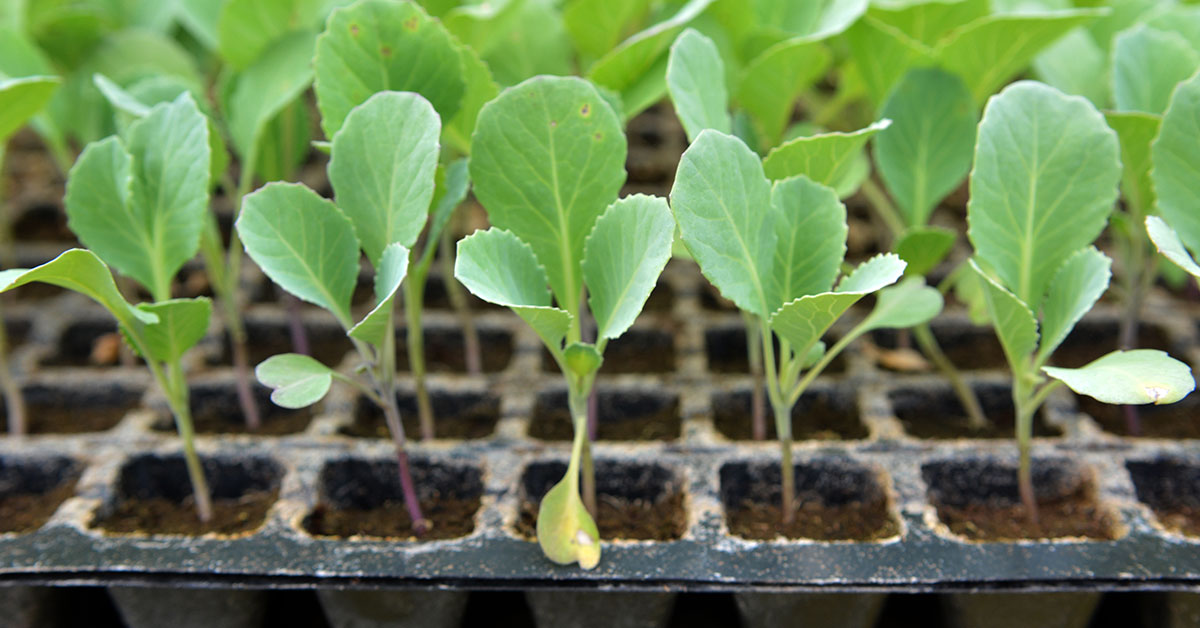
For spring planting, it is recommended to start cabbage seeds indoors around 6-8 weeks before the last expected frost date, which is usually around mid-April in most regions of Ohio. Once the seedlings have grown and the risk of frost has passed, usually by late April or early May, they can be transplanted into the garden. Cabbage can also be directly sown in the garden around the same time, but starting seeds indoors gives them a head start.
For fall planting, cabbage can be sown directly in the garden or started indoors around mid-July to early August. This allows the plants to establish and grow before cooler temperatures arrive in the fall. It is important to ensure that cabbage is planted early enough to allow sufficient time for growth before the first frost, which typically occurs in late September or October in Ohio.
When planting cabbage, choose a location that receives full sun and has well-draining soil. Cabbage plants require consistent moisture, so regular watering is essential, especially during dry periods. Adequate spacing between plants is important to allow for proper airflow and reduce the risk of diseases.
Additionally, consider providing a layer of organic mulch around the base of cabbage plants to help retain moisture, suppress weed growth, and regulate soil temperature.
By following these guidelines and considering the specific timing for Ohio’s climate, you can have a successful cabbage harvest in your garden.
When to harvest Cabbage in Ohio
The optimal time to harvest cabbage in Ohio is typically in late summer or early fall, around 70-90 days after transplanting or 90-110 days after sowing seeds. This usually corresponds to the months of September and October. However, it is important to monitor the cabbage plants closely for signs of maturity. Harvesting too early can result in smaller heads, while harvesting too late may lead to splitting or bolting (flowering). Therefore, it is recommended to check the size and firmness of the heads regularly to determine the best time for harvest.
Other considerations
When growing cabbage in Ohio, there are several considerations to keep in mind:
- Climate: Ohio has a temperate climate with four distinct seasons. Cabbage is a cool-season crop that prefers temperatures between 60-70°F. It can tolerate light frost but may bolt (go to seed) if exposed to prolonged periods of cold or heat. Plant cabbage in spring for a summer harvest or in late summer for a fall harvest.
- Soil: Cabbage prefers well-draining soil that is rich in organic matter. Before planting, amend the soil with compost or well-rotted manure to improve its fertility and structure. The soil pH should be between 6.0-7.5 for optimal growth.
- Sunlight: Cabbage requires full sun exposure for at least 6-8 hours a day. Choose a location in your garden that receives ample sunlight to ensure healthy growth and development.
- Watering: Cabbage needs consistent moisture to thrive. Water deeply and regularly, aiming to keep the soil evenly moist but not waterlogged. Avoid overhead watering, as it can increase the risk of fungal diseases. Consider using drip irrigation or soaker hoses to provide water directly to the plant’s base.
- Fertilization: Cabbage is a heavy feeder and requires regular fertilization. Prior to planting, incorporate a balanced fertilizer into the soil. Additionally, side-dress the plants with nitrogen-rich fertilizer every 3-4 weeks during the growing season.
- Pest and Disease Management: Cabbage is susceptible to various pests and diseases, including cabbage worms, aphids, and clubroot. Monitor your plants regularly and take appropriate actions, such as handpicking pests or using organic pest control methods. Rotate cabbage crops each year to minimize disease problems.
- Companion Planting: Consider planting cabbage alongside companion plants that can help repel pests or enhance growth. Good companions for cabbage include onions, garlic, dill, and celery. Avoid planting cabbage near other brassicas, such as broccoli or cauliflower, as they may compete for nutrients and attract similar pests.
- Harvesting: Harvest cabbage heads when they reach their mature size and have a firm texture. Cut the heads at the base, leaving a few outer leaves attached. If you notice signs of splitting or cracking, harvest the cabbage immediately to prevent further damage.
By considering these factors, you can increase your chances of successful cabbage cultivation in Ohio. Happy gardening!