
Are you a cabbage enthusiast living in North Dakota and wondering when is the optimal time to plant this nutritious and versatile vegetable in your garden? Look no further. Planting cabbage in North Dakota requires a deep understanding of the state’s climate zones and final frost dates.
Understanding the specific requirements of cabbage, such as temperature, soil conditions, and daylight duration, is crucial for a successful harvest. By following the recommendations in this article, you will be able to maximize your cabbage yield and enjoy the crisp, leafy goodness of this vegetable throughout the growing season.
Best varieties of cabbage to grow in North Dakota
In North Dakota, some good varieties of cabbage that perform well are:
- Golden Acre: This is a popular early-maturing cabbage variety that produces small to medium-sized heads. It has a sweet flavor and is resistant to cracking.
- Copenhagen Market: This variety is known for its round, solid heads that are medium to large in size. It has a good flavor and is resistant to splitting.
- Early Jersey Wakefield: This is an early-season variety that produces small to medium-sized pointed heads. It has a tender texture and a sweet flavor.
- Red Express: If you prefer red cabbage, this variety is a good choice. It produces medium-sized heads with deep purple leaves. It has a mild flavor and is resistant to bolting.
- Stonehead: This cabbage variety is known for its compact heads and good disease resistance. It is a versatile cabbage that can be used for both fresh consumption and making sauerkraut.
Remember to consider your specific growing conditions, such as soil type, temperature, and sunlight availability, when choosing cabbage varieties for your garden in North Dakota.
When to plant Cabbage in North Dakota
In North Dakota, the state’s hardiness zones typically range from Zone 3a in the northwest to Zone 4a in the southeast. These zones are determined by the United States Department of Agriculture (USDA) and provide valuable information about the average minimum winter temperatures in different areas.
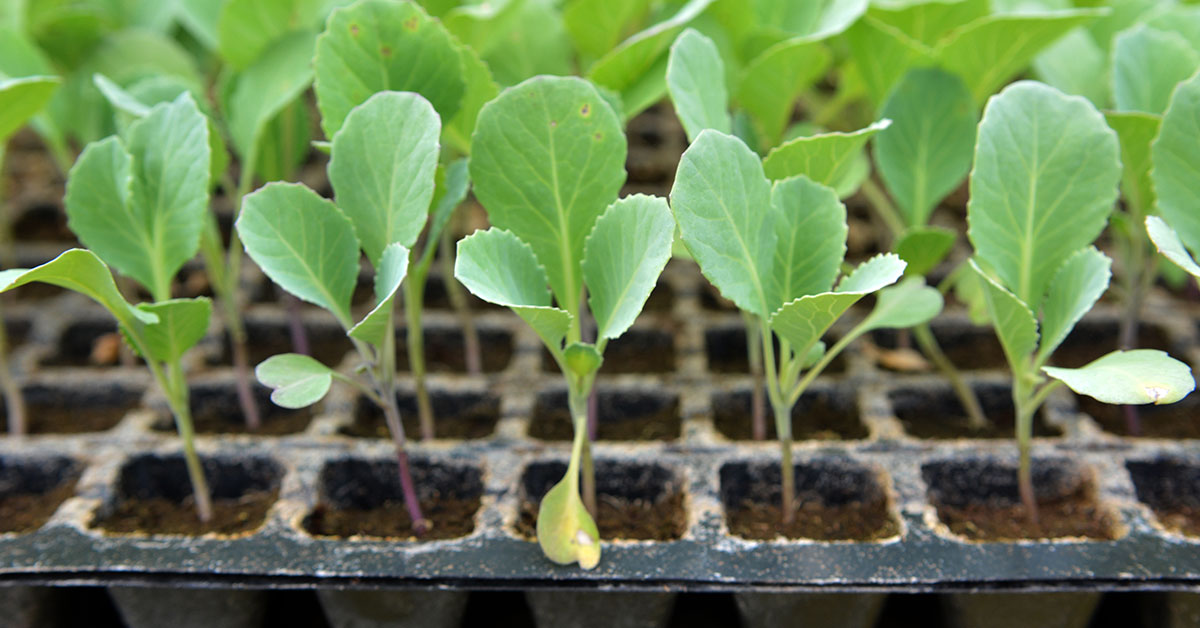
When it comes to planting cabbage in North Dakota, it is crucial to consider the appropriate timing based on the local climate and frost dates. Cabbage is a cool-season crop that prefers temperatures between 45°F and 75°F (7°C to 24°C). It is generally recommended to start cabbage seeds indoors or in a greenhouse about 6 to 8 weeks before the last expected frost date in your area.
In North Dakota, the last expected frost dates can vary depending on the specific location within the state. However, as a general guideline, the average last frost date for Zone 3a is around May 15th, while for Zone 4a it is around May 30th.
Once the seedlings have grown to a suitable size, typically about 4-6 inches tall, they can be transplanted into the garden. It is important to ensure that the soil temperature has reached a minimum of 45°F (7°C) before transplanting cabbage seedlings outdoors. This can typically be achieved a week or two after the last expected frost date.
Cabbage plants thrive in well-drained soil that is rich in organic matter. They require a minimum of 6 hours of direct sunlight per day and regular watering to keep the soil evenly moist. Adequate spacing between cabbage plants is essential to allow proper air circulation and prevent the spread of diseases.
In terms of harvesting, cabbage plants usually take about 70 to 100 days to reach maturity, depending on the variety. This means that in North Dakota, cabbage can be harvested from late July through September, depending on when it was initially planted.
Overall, the best time to plant cabbage in North Dakota is indoors or in a greenhouse around 6 to 8 weeks before the last expected frost date. By following these guidelines and considering the local hardiness zones, you can maximize the success of your cabbage crop in North Dakota’s challenging climate.
When to harvest Cabbage in North Dakota
The optimal time to harvest cabbage in North Dakota is generally between mid to late September and early October. This timing allows the cabbage heads to fully develop and reach their peak flavor and texture. However, it is important to monitor the cabbage plants closely and harvest them when the heads are firm and solid, before they start to crack or split. Additionally, if a frost or freeze is expected, it is advisable to harvest the cabbage a few days prior to protect the quality of the crop.
Other considerations
When growing cabbage in North Dakota, there are several other considerations to keep in mind:
- Climate: North Dakota has a relatively short growing season, so it’s important to select cabbage varieties that have a shorter maturity time. Look for varieties that can mature in around 70-80 days to ensure a successful harvest.
- Soil: Cabbage prefers well-draining, fertile soil with a pH level between 6.0 and 7.5. Before planting, amend the soil with organic matter such as compost or aged manure to improve its fertility and drainage.
- Temperature: Cabbage is a cool-season crop and can tolerate light frost. However, it is sensitive to extreme temperatures. Ensure that you plant cabbage when the soil temperature reaches around 45-75°F (7-24°C) for optimal growth.
- Watering: Cabbage requires consistent moisture to grow properly. Aim to provide about 1-1.5 inches of water per week, either through rainfall or supplemental irrigation. Avoid overwatering, as it can lead to diseases and rot.
- Pest and disease control: Cabbage is susceptible to various pests and diseases, such as cabbage worms, flea beetles, and clubroot. Monitor your plants regularly and take appropriate control measures, such as using floating row covers, companion planting, or organic pesticides as needed.
- Crop rotation: To prevent the buildup of pests and diseases, practice crop rotation by avoiding planting cabbage or related crops (such as broccoli, cauliflower, or kale) in the same spot for consecutive years.
- Fertilization: Cabbage is a heavy feeder, so it benefits from regular fertilization. Prior to planting, incorporate a balanced fertilizer into the soil. Additionally, side-dress with nitrogen-rich fertilizer or compost during the growing season to promote healthy growth.
- Weed control: Keep the area around your cabbage plants weed-free to reduce competition for nutrients and water. Mulching can help suppress weeds and conserve moisture.
- Harvesting: Cabbage is ready for harvest when the heads are firm and dense. Cut the heads off at the base, leaving a few outer leaves intact to protect the inner head. Harvesting can typically begin around 70-80 days after transplanting.
By considering these factors, you can increase the chances of a successful cabbage harvest in North Dakota.