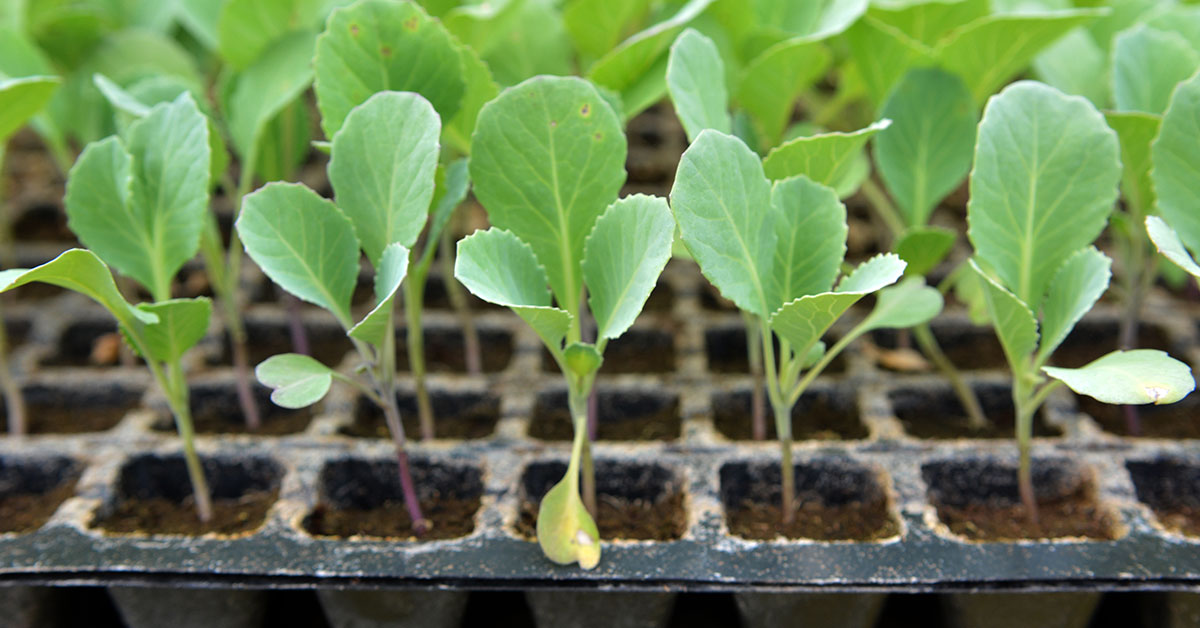

In the lush state of North Carolina, where the fertile soil and moderate climate offer an ideal environment for gardening, cabbage plants thrive abundantly. Cabbage, with its crisp leaves and versatile culinary uses, is a popular choice among both home gardeners and commercial farmers. Planting cabbage in North Carolina requires a deep understanding of the state’s climate zones and final frost dates.
Factors such as temperature, frost dates, and growing seasons play a significant role in determining the ideal planting time. In this article, we will delve into the specifics of North Carolina’s climate and explore the optimal planting window for cabbage, equipping gardeners with the knowledge they need to grow healthy and bountiful cabbage crops.
Whether you are a seasoned gardener or a beginner, this comprehensive guide will provide valuable insights to help you achieve a thriving cabbage patch in the Tar Heel State.
Best varieties of cabbage to grow in North Carolina
In North Carolina, some good varieties of cabbage that thrive well in the climate and soil conditions are:
- Early Jersey Wakefield: This variety is known for its early maturity and compact size. It produces small to medium-sized heads with a sweet flavor.
- Copenhagen Market: This cabbage variety is a favorite for its round, solid heads that are ideal for coleslaw and sauerkraut. It has a good tolerance to diseases and pests.
- Red Express: If you prefer red cabbage, Red Express is a great choice. It has vibrant, deep red heads that are crispy and flavorful. It also has good resistance to diseases.
- Stonehead: This variety is known for its dense, round, and medium-sized heads. It has a good tolerance to heat and cold, making it suitable for growing in North Carolina’s varying temperatures.
- Early Flat Dutch: This cabbage variety produces large, flat heads that are excellent for cooking and slaws. It matures early and has good disease resistance.
Remember to consider your specific growing conditions, such as sun exposure and soil type, when choosing cabbage varieties. Additionally, consult with local nurseries or gardening experts for more specific recommendations based on your location within North Carolina.
When to plant Cabbage in North Carolina
North Carolina is known for its diverse climate, which is reflected in its hardiness zones. The state is divided into three main zones: Zone 7, Zone 8, and Zone 9. These zones help gardeners determine the suitability of various plants based on their ability to withstand the average minimum winter temperatures.
In Zone 7, which covers the western mountainous regions of North Carolina, the average minimum winter temperature ranges from 0 to 10°F (-17.8 to -12.2°C). Zone 8, which includes the central and eastern parts of the state, experiences average minimum temperatures between 10 and 20°F (-12.2 to -6.7°C). Lastly, Zone 9, which encompasses the southeastern coastal areas, has average minimum temperatures ranging from 20 to 30°F (-6.7 to -1.1°C).
Considering these hardiness zones, the best time to plant cabbage in North Carolina would depend on the specific zone you are located in.
For gardeners in Zone 7, the recommended time to plant cabbage is during late winter or early spring, typically in February or March. This allows the cabbage plants to mature before the warm summer months and avoid the extreme heat that can negatively impact the yield.
In Zone 8, it is best to plant cabbage either in late winter or early spring, similar to Zone 7. However, due to the slightly milder temperatures, gardeners can also opt for a fall planting in August or September for a second crop.
In Zone 9, where the winters are relatively mild, cabbage can be planted in both fall and spring. Fall planting can be done from September to October, while spring planting can occur in February or March.
It’s important to note that these planting times are general recommendations, and local climate variations, as well as specific weather patterns, can influence the ideal planting dates. It’s always a good idea to consult with local gardening resources, extension offices, or experienced gardeners in your area to get the most accurate and up-to-date information for your specific location.
When to harvest Cabbage in North Carolina
The optimal time to harvest cabbage in North Carolina is typically from late spring to early summer. This is when the cabbage heads are fully formed and reach their mature size. The exact timing can vary depending on the specific cabbage variety you are growing and the weather conditions in your area. It’s important to monitor the growth of your cabbage plants and look for signs of maturity, such as firm heads and tight leaves. Additionally, be sure to harvest your cabbage before it starts to crack or split, as this can indicate that it is overripe.
Other considerations
When growing cabbage in North Carolina, there are several considerations to keep in mind:
- Climate: North Carolina has a diverse climate, so it’s important to select cabbage varieties that are suitable for your specific region. Cabbage prefers cool weather and can tolerate frost, but extreme heat can cause bolting (premature flowering) and poor head formation. Planting in late summer for a fall harvest is often recommended.
- Soil: Cabbage prefers well-draining soil that is rich in organic matter. Before planting, amend the soil with compost or well-rotted manure to improve fertility and drainage. Cabbage also prefers a slightly acidic soil with a pH level between 6.0 and 6.5.
- Sunlight: Cabbage requires at least 6-8 hours of direct sunlight per day for optimum growth. Choose a location in your garden that receives full sun to ensure healthy and vigorous plants.
- Watering: Cabbage needs consistent and even moisture throughout its growing season. Water deeply and regularly, especially during dry spells, to prevent the plants from becoming stressed. Avoid overwatering, as it can lead to root rot and other diseases.
- Pest and Disease Management: Cabbage is susceptible to various pests and diseases, including cabbage worms, aphids, cabbage loopers, and clubroot. Regularly inspect your plants for signs of infestation and apply appropriate organic or chemical controls as needed. Crop rotation and proper sanitation practices can also help prevent disease buildup in the soil.
- Fertilization: Cabbage is a heavy feeder and requires regular fertilization to ensure healthy growth. Prior to planting, incorporate a balanced organic fertilizer or slow-release granular fertilizer into the soil. Side-dress with additional fertilizer during the growing season to provide the necessary nutrients for optimal cabbage production.
- Harvesting: Cabbage heads are typically ready for harvest when they reach their mature size and feel firm to the touch. Cut the heads at the base with a sharp knife, leaving a few outer leaves intact to protect the inner head during storage. Harvesting should be done in the morning when temperatures are cooler to preserve the quality of the cabbage.
By considering these factors and providing proper care, you can successfully grow cabbage in North Carolina and enjoy a bountiful harvest.