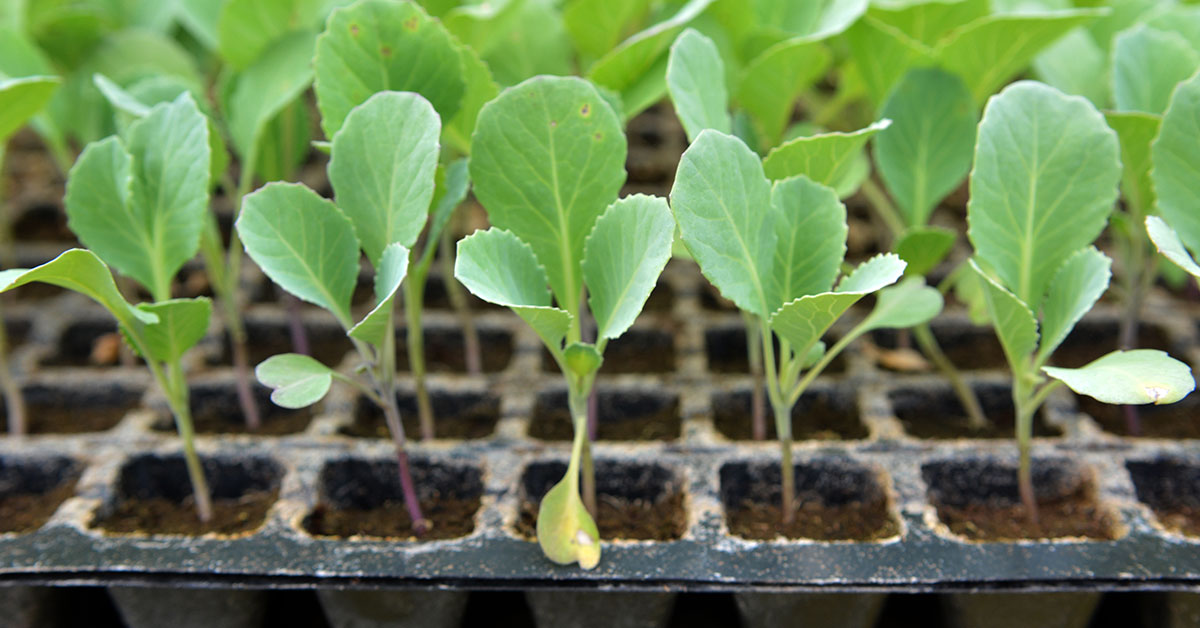

Welcome to the world of gardening in Mississippi! If you’re considering planting cabbage in your garden, you’ve come to the right place. Cabbage is a versatile and nutritious vegetable that thrives in the Mississippi climate, but timing is key to ensuring a successful harvest. Planting cabbage in Mississippi requires a deep understanding of the state’s climate zones and final frost dates.
In this article, we will explore the best time to plant cabbage in Mississippi, taking into account the state’s unique weather patterns and the specific needs of this cool-season crop. Whether you’re a seasoned gardener or just starting out, this guide will help you make the most of your cabbage planting and set you on the path to a bountiful harvest.
Best varieties of cabbage to grow in Mississippi
In Mississippi, there are several varieties of cabbage that grow well. Here are some recommended varieties:
- Early Jersey Wakefield: This variety is known for its early maturity and compact size. It produces small to medium-sized heads that are firm and have a sweet flavor.
- Stonehead: Stonehead cabbage is a popular variety for its resistance to diseases and ability to withstand heat. It forms medium to large-sized heads with a good flavor.
- Red Express: If you prefer red cabbage, Red Express is a great choice. It has a compact size and forms small to medium-sized heads with a deep red color. It is also known for its excellent flavor.
- Copenhagen Market: Copenhagen Market is a reliable variety that produces large, round heads. It has a good resistance to diseases and performs well in different climates.
- Late Flat Dutch: This variety is known for its large, flat heads. It is a late-maturing variety but is worth the wait as it has a sweet and mild flavor. It is also good for storage.
Remember to check with your local nursery or agricultural extension office for specific recommendations based on your location and growing conditions.
When to plant Cabbage in Mississippi
In Mississippi, the hardiness zones range from 7a in the northern part of the state to 9a in the southern regions. Hardiness zones are determined by the average minimum winter temperature in a specific area. These zones help gardeners determine which plants are likely to thrive in their region and when is the best time to plant them.
Cabbage is a cool-season vegetable that thrives in cooler temperatures. It prefers to grow in temperatures between 45°F and 75°F (7°C to 24°C). For Mississippi, the best time to plant cabbage is in the early spring or late summer/fall, depending on the specific zone.
In the northern part of the state (zone 7a), it is recommended to start planting cabbage in early spring, around late February to early March. This gives the plants enough time to mature before the hot summer temperatures arrive. Alternatively, you can also plant cabbage in late summer or early fall, around late August to early September. This allows the plants to grow in cooler temperatures and produce a harvest before the first frost.
In the central regions of Mississippi (zone 8a), the planting times are slightly earlier. You can start planting cabbage in late January to early February for the spring crop. For the fall crop, planting in late July to early August is recommended.
In the southern parts of the state (zone 9a), the climate is milder, allowing for an extended growing season. Cabbage can be planted as early as January for the spring crop and as late as November for the fall crop. It is important to note that cabbage may struggle to grow during the hottest summer months in these regions.
When planting cabbage, it is crucial to consider the specific variety you are growing, as some may have different planting requirements. It is also important to provide the plants with well-draining soil, regular watering, and sufficient sunlight for optimal growth.
By following these guidelines, you can ensure a successful cabbage harvest in Mississippi’s varying hardiness zones. Happy gardening!
When to harvest Cabbage in Mississippi
The optimal time to harvest cabbage in Mississippi is typically in the late fall or early winter, around 70 to 90 days after planting. Cabbage is a cool-season crop, and it tends to mature best in cooler temperatures. In Mississippi, this usually means harvesting cabbage from November to February. However, it’s important to monitor the growth and development of your specific cabbage variety, as different cultivars may have slightly different maturity dates. To determine if your cabbage is ready for harvest, look for firm heads that are compact and have reached the desired size, usually around 6 to 8 inches in diameter.
Other considerations
When growing cabbage in Mississippi, there are a few additional considerations to keep in mind:
- Temperature: Cabbage is a cool-season crop that prefers temperatures between 60°F and 70°F. In Mississippi, the weather can be hot and humid, especially during the summer months. It is important to choose cabbage varieties that are heat-tolerant and can withstand the high temperatures.
- Watering: Cabbage requires consistent moisture to grow well. In Mississippi’s hot climate, it is essential to provide adequate water to prevent the plants from wilting. Ensure that the soil is well-drained to avoid waterlogged conditions, which can lead to root rot.
- Soil: Cabbage prefers fertile, well-draining soil with a pH level between 6.0 and 6.8. Before planting, it is recommended to amend the soil with organic matter, such as compost or aged manure, to improve its fertility and drainage. Conduct a soil test to determine the nutrient levels and make any necessary adjustments.
- Pest and Disease Management: Cabbage is susceptible to several pests and diseases, including cabbage worms, aphids, cabbage loopers, and clubroot. Regularly inspect the plants for signs of infestation and take appropriate measures, such as handpicking pests or using organic insecticides. Crop rotation and maintaining good sanitation practices can help prevent diseases like clubroot.
- Planting Time: In Mississippi, cabbage can be grown as a spring or fall crop. For spring planting, start seeds indoors 6-8 weeks before the last frost date and transplant them outside when the soil has warmed up. For fall planting, start seeds indoors in mid-summer and transplant them outdoors in late summer or early fall.
- Mulching: Applying a layer of organic mulch around the base of the cabbage plants can help conserve moisture, suppress weed growth, and regulate soil temperature. Straw, hay, or dried leaves are suitable options for mulching cabbage.
- Fertilization: Cabbage is a heavy feeder and requires regular fertilization. Before planting, incorporate a balanced fertilizer into the soil. Additionally, side-dress the plants with nitrogen-rich fertilizer once they have reached a certain size, following the instructions on the fertilizer package.
By considering these factors, you can increase the chances of successful cabbage cultivation in Mississippi’s climate.