
Welcome to our gardening guide! If you’re an avid gardener or a beginner looking to cultivate your green thumb, you’ve come to the right place. Planting cabbage in Minnesota requires a deep understanding of the state’s climate zones and final frost dates.
In this article, we’ll be discussing the best time to plant cabbage in the beautiful state of Minnesota. Known for its harsh winters and short growing season, Minnesota presents unique challenges for gardeners. However, with a little planning and the right knowledge, you can successfully grow cabbage and enjoy its delicious, crunchy leaves.
We’ll delve into the ideal planting window, the necessary preparations, and some tips to ensure a bountiful harvest. So, let’s get started and explore the best time to plant cabbage in the great state of Minnesota!
Best varieties of cabbage to grow in Minnesota
There are several varieties of cabbage that grow well in Minnesota’s climate. Some popular choices include:
- Copenhagen Market: This variety is known for its round, solid heads and excellent cold tolerance. It matures in approximately 70-80 days and is a reliable choice for Minnesota gardeners.
- Early Jersey Wakefield: This early-maturing cabbage variety is ideal for short growing seasons. It forms compact, conical heads and is resistant to cracking. It typically matures in around 60-70 days.
- Stonehead: This variety is known for its compact, dense heads and good disease resistance. It matures in approximately 70-80 days and is a good choice for both fresh consumption and storage.
- Red Express: If you’re looking for a red cabbage variety, Red Express is a great option. It produces medium-sized, deep purple heads with a sweet flavor. It typically matures in around 75-85 days.
- Golden Acre: This variety is a favorite among gardeners for its early maturity, tender leaves, and sweet flavor. It forms medium-sized, round heads and is perfect for fresh eating or coleslaw. It usually matures in approximately 60-70 days.
Remember to consider your specific preferences and growing conditions when choosing cabbage varieties for your garden.
When to plant Cabbage in Minnesota
Minnesota is located in the northern region of the United States and is known for its cold climate and diverse landscape. When it comes to gardening, it is important to consider the state’s hardiness zones, which help determine the suitability of various plants based on their ability to withstand the local climate conditions.
Minnesota is divided into four main hardiness zones: Zone 3, Zone 4, Zone 5, and Zone 6. These zones are characterized by their average minimum winter temperatures. Zone 3 is the coldest zone, with minimum temperatures ranging from -40°F to -30°F (-40°C to -34°C), while Zone 6 is the mildest, with minimum temperatures ranging from 0°F to -10°F (-18°C to -23°C).
When it comes to planting cabbage in Minnesota, it is important to choose a variety that can withstand the state’s cooler climate. Cabbage is a cool-season crop and can tolerate some frost, making it suitable for Minnesota’s growing conditions.
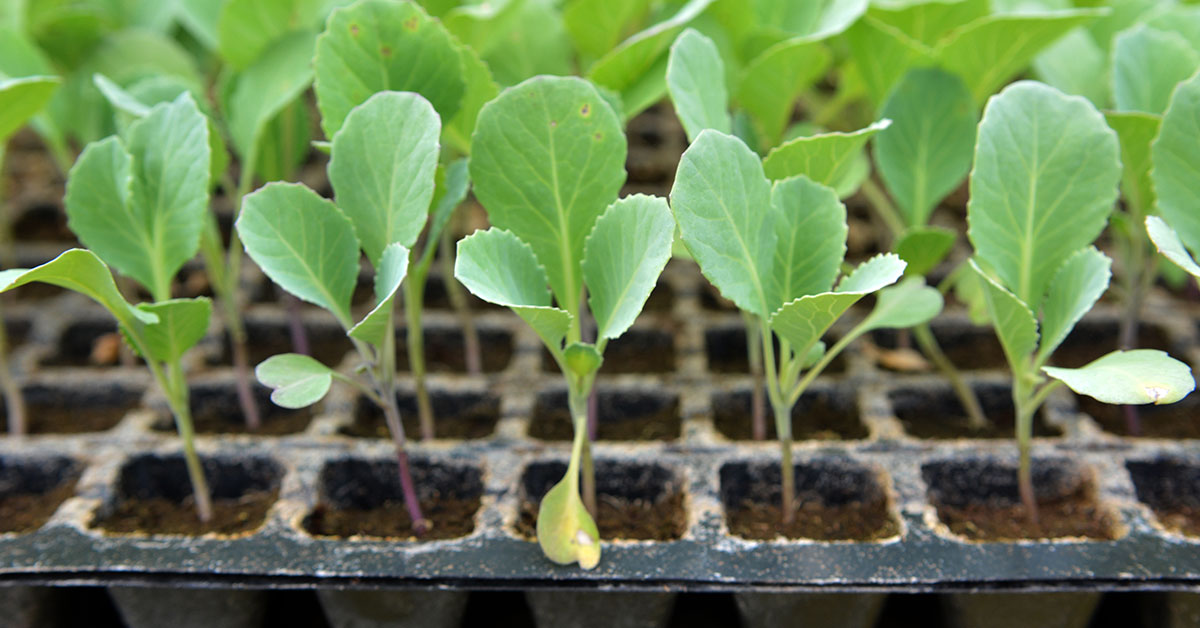
The best time to plant cabbage in Minnesota depends on the specific zone you are in. In Zone 3, where winters are extremely cold, it is recommended to start cabbage seeds indoors in early to mid-April and transplant them to the garden around mid-May, after the danger of frost has passed. This allows the plants to grow indoors in a controlled environment before being exposed to the harsh outdoor conditions.
In Zone 4, which includes most of Minnesota, you can start cabbage seeds indoors in late March to early April and transplant them to the garden in late April to early May. Again, it is important to wait until the danger of frost has passed before moving the seedlings outdoors.
In Zones 5 and 6, where the winters are milder, you can start cabbage seeds indoors as early as late February to early March and transplant them to the garden in late March to early April. However, it is still advisable to keep an eye on the weather and wait until the risk of frost is minimal before transplanting.
It is also worth noting that cabbage can be grown as a fall crop in Minnesota. To do so, you can start seeds indoors in late June to early July and transplant them to the garden in mid to late July. This allows the cabbage to mature during the cooler temperatures of late summer and early fall.
Overall, cabbage can be successfully grown in Minnesota, but it is important to select appropriate varieties and plant them at the right time to ensure their success. By considering the state’s hardiness zones and following the recommended planting times, you can enjoy a bountiful harvest of fresh and delicious cabbage.
When to harvest Cabbage in Minnesota
The optimal time to harvest cabbage in Minnesota is typically in late summer to early fall. Cabbage is a cool-season crop, and it usually takes about 70-100 days from transplanting to reach maturity. In Minnesota, this usually means planting cabbage in late spring or early summer, around mid-May to mid-June.
Cabbage heads are ready to be harvested when they feel firm and solid, and the outer leaves are tightly wrapped around the head. The heads should be well-formed and have reached their desired size, which is usually around 6-8 inches in diameter. It’s important to harvest cabbage before it starts to crack or split, as this is a sign of over-maturity.
Keep in mind that cabbage can tolerate some light frost, and in fact, a light frost can enhance the flavor of the cabbage. However, if a hard freeze is expected, it’s best to harvest the cabbage before that to prevent damage to the heads.
Other considerations
When growing cabbage in Minnesota, there are a few additional considerations to keep in mind:
- Cold tolerance: Cabbage is a cool-season crop, but it is crucial to select cabbage varieties that have good cold tolerance. Look for varieties that are specifically bred for northern climates or have a shorter growing season to ensure they can withstand the colder temperatures in Minnesota.
- Timing: Timing is important when growing cabbage in Minnesota because the growing season is relatively short. Start seeds indoors 6-8 weeks before the last expected frost date or purchase seedlings from a local nursery. Transplant the seedlings outdoors when the soil has warmed up and the danger of frost has passed.
- Soil preparation: Cabbage prefers well-drained soil with a pH level between 6.0 and 6.8. Before planting, amend the soil with organic matter such as compost or aged manure to improve drainage and fertility. It is also beneficial to add a balanced fertilizer to provide the necessary nutrients for healthy growth.
- Pest management: Cabbage is susceptible to various pests in Minnesota, including cabbage worms, flea beetles, and aphids. Regularly inspect your plants for signs of infestation and take preventative measures such as using row covers, applying organic insecticides, or introducing beneficial insects like ladybugs or lacewings to control pests.
- Watering and mulching: Cabbage plants require consistent moisture to ensure proper growth and prevent cracking or splitting of heads. Water deeply and evenly, especially during dry spells. Applying a layer of organic mulch around the plants will help retain moisture, suppress weed growth, and maintain more consistent soil temperatures.
- Crop rotation: To prevent the buildup of diseases and pests, avoid planting cabbage or other members of the brassica family (such as broccoli, cauliflower, or Brussels sprouts) in the same location for consecutive years. Rotate your crops annually to different areas of the garden.
- Harvesting: Cabbage is ready for harvest when the heads feel firm and have reached the desired size. Harvesting is typically done in late summer or early fall before the first frost. Cut the cabbage heads from the base of the plant, leaving a few outer leaves intact to protect the inner leaves during storage.
By considering these factors, you can increase your chances of successfully growing cabbage in Minnesota’s unique climate.