
If you’re a gardening enthusiast in this state, you may be wondering about the ideal time to plant cucumbers in Virginia. Cucumbers are a popular warm-season vegetable that thrives in Virginia’s mild climate. Planting them at the right time ensures a successful harvest and abundant yields.
Understanding the best time to plant cucumbers involves considering various factors such as the average last frost date, soil temperature, and the plant’s growth requirements. We will go over when and how to plant cucumbers in Virginia, ensuring that you can enjoy a bountiful cucumber harvest all summer long.
Best varieties of Cucumbers for Virginia
In Virginia, there are several cucumber varieties that perform well in the region’s climate. Here are a few popular choices:
- Marketmore 76: This variety is a classic and reliable choice for Virginia gardeners. It produces dark green cucumbers that are about 8-9 inches long. Marketmore 76 is known for its excellent flavor and disease resistance.
- Straight Eight: As the name suggests, Straight Eight cucumbers have a straight shape and are about 8 inches long. They have a crisp texture and a mild, refreshing taste. This variety is also resistant to many common cucumber diseases.
- Armenian: Armenian cucumbers, also known as yard-long cucumbers, are unique in appearance and taste. They have a light green color and can grow up to 2 feet long. Armenian cucumbers have a mild flavor and are often enjoyed in salads or pickled.
- Diva: Diva cucumbers are a popular choice for Virginia gardeners due to their disease resistance and high productivity. They produce smooth-skinned, seedless cucumbers that are crisp and sweet, making them great for slicing or pickling.
- Lemon Cucumbers: Lemon cucumbers are small, round cucumbers that resemble lemons in both shape and color. They have a mild, slightly sweet flavor and are great for fresh eating or pickling. Lemon cucumbers are also heat-tolerant, making them suitable for Virginia’s hot summers.
Remember to consider your specific gardening conditions, such as sunlight, soil quality, and available space, when selecting cucumber varieties. Additionally, it’s always a good idea to check with local nurseries or cooperative extension offices for recommendations tailored to your specific area in Virginia.
When to plant Cucumbers in Virginia
In Virginia, the state’s hardiness zones range from zone 5 in the mountainous areas to zone 8 in the coastal regions. These zones are determined by the average annual minimum winter temperatures. Which helps gardeners determine which plants are likely to thrive in their region. It’s important to know your specific hardiness zone in order to make informed decisions about planting times and choices of plants.
When it comes to planting cucumbers in Virginia, it is best to wait until after the last frost date for your specific zone. In most parts of Virginia, the last frost generally occurs between mid-April to mid-May, depending on your exact location. Planting cucumbers too early, before the soil has warmed up and the risk of frost has passed, can result in poor germination and damage to the young plants.
Once the last frost has passed, cucumbers can be directly sown outdoors. They prefer warm soil temperatures, ideally around 70°F (21°C), for successful germination and growth. Before planting the seeds, prepare the soil by incorporating organic matter such as compost or well-rotted manure to improve drainage and fertility.
Plant cucumber seeds about 1 inch deep and 12 to 24 inches apart, depending on the variety. Give them adequate space to spread and grow. You can also choose to plant cucumbers in hills or mounds, which helps with drainage and provides better air circulation around the plants. Hills should be approximately 3 feet apart.
Cucumbers are sun-loving plants, so choose a location that receives full sunlight for at least 6-8 hours a day. They also require consistent moisture. The soil must be kept evenly moist throughout the growing season. Mulching around the plants can help retain moisture and suppress weed growth.
Regular watering, especially during dry spells, is crucial to prevent bitter-tasting fruits and to maintain good quality yields. Additionally, cucumbers benefit from regular feeding with a balanced fertilizer to ensure healthy growth and productive harvests.
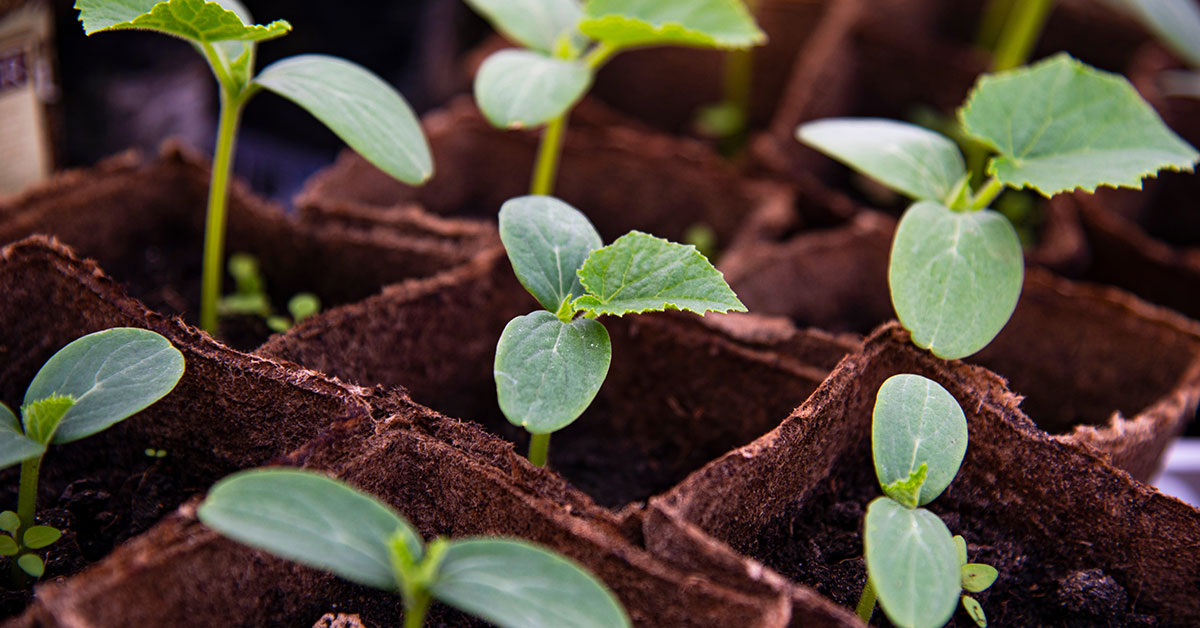
It’s worth noting that cucumbers can also be started indoors about 2-3 weeks before the last frost date and transplanted outside once the seedlings have developed a few true leaves. This can give you a head start on the growing season and may be beneficial in areas with shorter growing seasons.
By following these guidelines and considering your specific hardiness zone, you can have a successful cucumber harvest in Virginia. Happy gardening!
When to harvest Cucumbers in Virginia
The optimal time to harvest cucumbers in Virginia is typically in the summer months, from late June through August. Cucumbers are ready to be harvested when they reach their full size, have a firm texture, and are a dark green color. It is important to regularly check your plants for mature cucumbers and harvest them promptly to encourage continuous production.
Other considerations for growing Cucumbers
When growing cucumbers in Virginia, there are a few other considerations to keep in mind:
- Sunlight: Cucumbers thrive in full sun, so ensure they receive at least 6-8 hours of direct sunlight each day. Select a location in your garden that gets ample sunlight.
- Soil Quality: Cucumbers prefer well-draining soil with a pH range of 6.0-7.0. Before planting, amend the soil with organic matter such as compost or well-rotted manure to improve its fertility and drainage.
- Planting Time: In Virginia, cucumbers can be planted after the last frost date. Typically in mid to late April. However, you can also start seeds indoors 2-3 weeks earlier and transplant them outside once the danger of frost has passed.
- Spacing: Cucumber plants need enough space to spread and grow. Plant them at least 12-24 inches apart, with 5-6 feet between rows. Providing adequate space allows for good air circulation, reducing the risk of diseases.
- Trellising: Cucumbers can benefit from trellising or using a support system. This helps keep the plants off the ground, facilitates air circulation, reduces disease incidence, and makes harvesting easier.
- Watering: Cucumbers have high water requirements, especially during hot summer months. Regularly water the plants, aiming to keep the soil consistently moist but not waterlogged. A soaker hose or drip irrigation system can be beneficial for efficient watering.
- Fertilization: Cucumbers are heavy feeders, so it’s crucial to provide them with adequate nutrients. Prior to planting, incorporate a balanced organic fertilizer into the soil. Additionally, side-dress the plants with compost or a nitrogen-rich fertilizer every 3-4 weeks during the growing season.
- Pest and Disease Management: Common pests that affect cucumbers include cucumber beetles, aphids, and squash bugs. Regularly inspect your plants for signs of pests and implement appropriate control measures, such as handpicking or using organic insecticides. Diseases like powdery mildew and downy mildew can also be a challenge, so ensure good air circulation, avoid overhead watering, and consider using disease-resistant cucumber varieties.
By considering these factors, you can increase your chances of a successful cucumber harvest in Virginia.