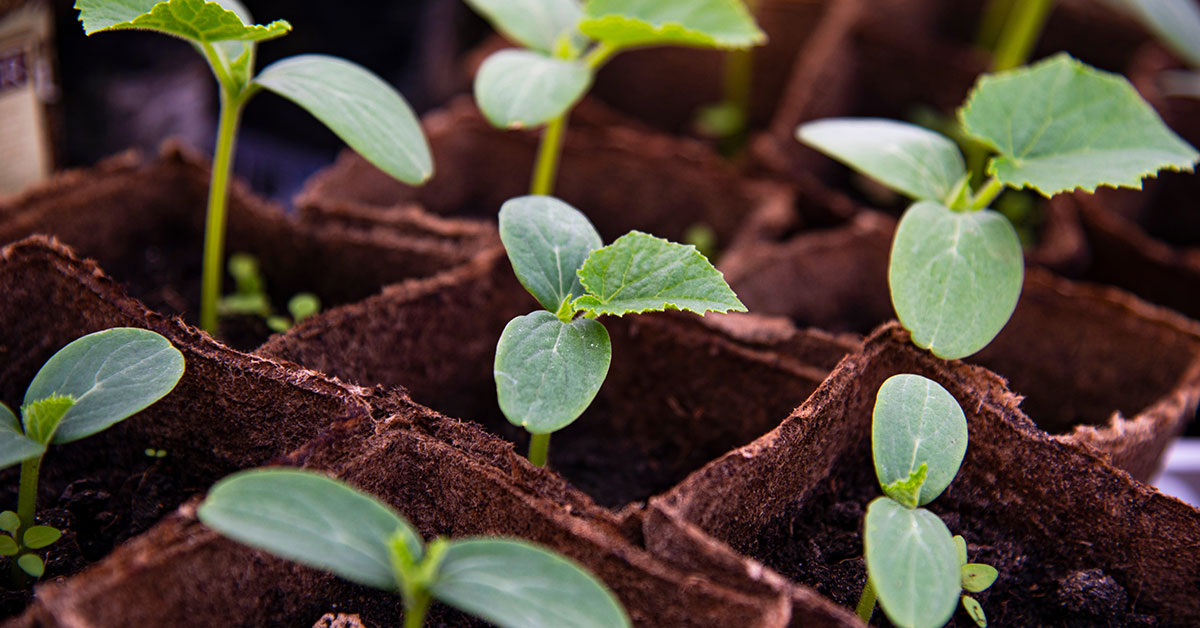

If you’re a gardener in this state, you may be wondering about the best time to plant cucumbers in Vermont. Cucumbers are a refreshing and versatile addition to any garden. With Vermont’s unique climate, it’s important to understand the specific requirements of cucumber plants to ensure a bountiful harvest.
In this article, we will explore the ideal timing for planting cucumbers in Vermont, taking into consideration the state’s short growing season and the specific needs of this heat-loving vegetable.
Best varieties of Cucumbers for Vermont
In Vermont, there are several cucumber varieties that tend to perform well in the local climate. Here are a few recommended varieties:
- Marketmore 76: This is a popular cucumber variety that is known for its disease resistance and high yield. It produces dark green, slightly tapered fruits with a refreshing flavor.
- Straight Eight: As the name suggests, Straight Eight cucumbers are known for their straight, uniform shape. They have a crisp texture and a mild, sweet taste. They are great for fresh eating and pickling.
- National Pickling: If you are planning to pickle cucumbers, this variety is a good choice. National Pickling cucumbers are small, blocky, and have a firm texture. They are ideal for making pickles, but can also be enjoyed fresh.
- Diva: Diva cucumbers are known for their excellent flavor, crispness, and productivity. They have a thin skin, which means they don’t require peeling, making them great for salads and snacking.
- Lemon cucumber: This unique cucumber variety produces round, yellow fruits that resemble lemons. They have a crisp, mild flavor and are perfect for fresh eating or adding a pop of color to salads.
Remember to consider your specific needs and preferences when selecting cucumber varieties. It’s also a good idea to check with local gardening experts or nurseries for any additional recommendations based on your specific location in Vermont.
When to plant Cucumbers in Vermont
In Vermont, the state’s hardiness zones range from zone 3a in the northern regions to zone 5b in the southern parts. This classification system is based on the average annual minimum temperatures and helps gardeners determine which plants are suitable for their region.
When it comes to planting cucumbers in Vermont, it is important to consider both the hardiness zone and the specific requirements of this warm-season vegetable. Cucumbers thrive in full sun and warm temperatures, so it is crucial to wait until the danger of frost has passed before planting them outdoors.
Typically, the best time to plant cucumbers in Vermont is between late May and early June. By this time, the soil has warmed up sufficiently, and the weather is generally more favorable for the growth and development of cucumber plants. Planting too early, when the soil is still cold, can lead to poor germination and stunted growth.
Before planting cucumbers, it is recommended to prepare the soil by loosening it and incorporating organic matter such as compost. This helps improve drainage and provides essential nutrients for the plants. Cucumbers prefer well-drained soil with a pH between 6.0 and 7.0.
When planting cucumbers, it is advisable to sow the seeds directly into the garden bed rather than starting them indoors and transplanting later. This is because cucumbers have delicate roots that can be easily disturbed during transplanting, leading to transplant shock and reduced productivity.
To plant cucumbers, create small mounds or hills in the garden bed, spaced about 36-48 inches apart. Sow 2-3 cucumber seeds per mound, placing them about 1 inch deep in the soil. Once the seedlings emerge and grow a few inches tall, thin them to leave the healthiest and strongest plant in each mound.
Proper care and maintenance are crucial for the success of cucumber plants. Regular watering, especially during dry spells, is important to ensure consistent moisture levels in the soil. Mulching around the plants can help retain soil moisture and suppress weeds.
Additionally, cucumbers are heavy feeders and require adequate nutrition. Applying a balanced fertilizer according to the package instructions or using organic alternatives like compost tea can ensure that the plants receive the necessary nutrients for optimal growth.
By following these guidelines and considering the hardiness zones and planting recommendations for cucumbers in Vermont, you can increase your chances of a successful cucumber harvest. Enjoy the process of growing this refreshing and versatile vegetable in your garden!
When to harvest Cucumbers in Vermont
The optimal time to harvest cucumbers in Vermont is typically from mid-July to early September. Cucumbers are warm-season crops and require consistent warm temperatures to grow and ripen properly. It’s important to monitor the growth of your cucumbers and look for signs of maturity before harvesting. Here are a few indicators that your cucumbers are ready to be harvested:
- Size: Cucumbers are usually ready to be picked when they reach a length of 6-8 inches. However, this can vary depending on the variety you are growing. Check the recommended size for the specific variety you have planted.
- Color: Most cucumber varieties are green, and they should have a vibrant, uniform green color when ripe. Avoid harvesting cucumbers that are yellow or have any signs of discoloration.
- Texture: Ripe cucumbers should have a firm texture and smooth skin. Avoid picking cucumbers that have wrinkled or soft spots.
To harvest cucumbers, gently twist or cut the fruit from the vine, taking care not to damage the plant. Harvesting regularly promotes continuous fruit production, so be sure to check your plants every few days during the peak harvest season. Enjoy your fresh cucumbers!
Other considerations for growing Cucumbers
When growing cucumbers in Vermont, there are a few additional considerations to keep in mind:
- Temperature: Cucumbers thrive in warm weather, so it’s important to wait until after the last frost date in your area before planting them. In Vermont, this usually occurs in late May or early June. Additionally, cucumbers prefer daytime temperatures between 70-85°F (21-29°C) and nighttime temperatures above 60°F (15°C).
- Sunlight: Cucumbers require full sun to produce a good crop. Choose a location in your garden that receives at least 6-8 hours of direct sunlight each day.
- Soil: Cucumbers prefer well-drained soil that is rich in organic matter. Before planting, work compost or well-rotted manure into the soil to improve its fertility and moisture-retaining capacity. A soil pH between 6.0-7.0 is ideal for cucumbers.
- Watering: Cucumbers have high water needs, especially during hot summer months. Adequate and consistent moisture is crucial for their growth. Water the plants deeply, aiming for about 1 inch of water per week. Avoid overhead watering, as wet foliage can lead to fungal diseases. Instead, use a soaker hose or drip irrigation to water at the base of the plants.
- Trellising: Consider trellising your cucumber plants to save space and improve air circulation. This can help prevent diseases and keep the fruits off the ground, reducing the risk of rotting. Install a trellis or provide a sturdy support structure for the vines to climb.
- Pest and disease management: Keep an eye out for common cucumber pests like cucumber beetles, aphids, and squash bugs. Monitor your plants regularly and take action at the first sign of infestation. Additionally, cucumbers are susceptible to fungal diseases such as powdery mildew and downy mildew. To minimize the risk, provide good air circulation, avoid overhead watering, and consider applying organic fungicides if necessary.
- Harvesting: Harvest cucumbers when they are firm, crisp, and have reached their desired size. Regularly picking mature fruits encourages the plant to produce more. Harvesting early and often can also help prevent overripe cucumbers, which can negatively impact the plant’s productivity.
By considering these factors, you can increase your chances of successfully growing cucumbers in Vermont’s climate. Happy gardening!