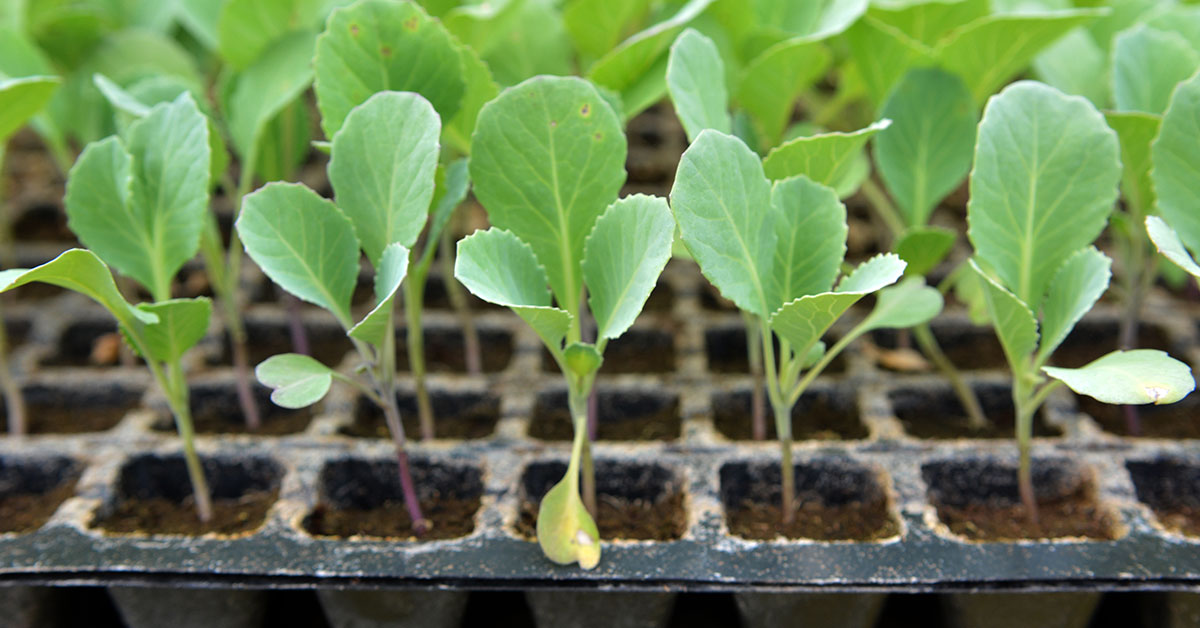

Welcome to the world of gardening in Maine! If you’re a fan of leafy greens and looking to grow your own cabbage, you’ve come to the right place. Cabbage, a cool-season crop, thrives in the chilly climate and rich soil of Maine. Planting cabbage in Maine requires a deep understanding of the state’s climate zones and final frost dates.
In this article, we will explore the best time to plant cabbage in Maine, taking into consideration the state’s unique weather patterns and the optimal growing conditions for this cruciferous delight. Whether you’re a seasoned gardener or just starting out, understanding the ideal planting time will help ensure a successful cabbage harvest that will have you enjoying fresh coleslaw, sauerkraut, and other cabbage-based dishes in no time.
Best varieties of cabbage to grow in Maine
In Maine, there are several varieties of cabbage that grow well in the region’s cool climate and shorter growing season. Here are some recommended varieties:
- Early Jersey Wakefield: This is a popular heirloom variety known for its early maturity and compact size. It produces small to medium-sized, pointed heads that are perfect for early season harvest.
- Copenhagen Market: Another early-maturing variety, Copenhagen Market produces round, solid heads that are suitable for both fresh consumption and sauerkraut making. It has good disease resistance and holds up well in storage.
- Stonehead: This variety is known for its excellent cold tolerance and ability to withstand frosts. It produces medium-sized, round heads that are firm and dense.
- Red Express: If you prefer red cabbage, Red Express is a great choice. It matures early and produces small to medium-sized heads with vibrant purple-red leaves. It has a good flavor and texture.
- Late Flat Dutch: As the name suggests, this variety is a late-season cabbage that requires a longer growing period. It produces large, flat heads that are perfect for making sauerkraut or winter storage.
Remember to provide your cabbage plants with well-drained soil, consistent moisture, and adequate sunlight to ensure healthy growth and good yields.
When to plant Cabbage in Maine
Maine, like any other state, is divided into different hardiness zones based on its climate conditions. The hardiness zones help gardeners determine which plants are suitable to grow in a particular area. In Maine, the hardiness zones range from Zone 3 in the northern regions to Zone 6 in the southern regions.
Cabbage is a cool-season crop that thrives in cooler temperatures. It can tolerate some frost and even light snow, making it an excellent choice for gardeners in Maine. The best time to plant cabbage in Maine is typically in the early spring, as soon as the soil can be worked. This is usually around late April to early May in most parts of the state.
However, it’s important to note that cabbage can also be planted in late summer for a fall harvest. If you miss the spring planting window, you can sow cabbage seeds in late June or early July for a fall crop. This allows you to enjoy fresh cabbage well into the cooler months.
To plant cabbage, start by preparing the soil. Cabbage prefers well-drained soil that is rich in organic matter. You can amend the soil with compost or well-rotted manure to improve its fertility. Cabbage plants also benefit from a slightly acidic soil with a pH level between 6.0 and 6.5.
When planting cabbage, it’s essential to give each plant enough space to grow. Space the plants around 12-18 inches apart in rows that are 24-36 inches apart. This ensures that the cabbage heads have enough room to develop fully.
Cabbage requires consistent moisture throughout its growing season. Water the plants regularly, making sure the soil is evenly moist but not waterlogged. Mulching around the plants can help retain moisture and suppress weeds.
To protect your cabbage plants from pests, consider covering them with floating row covers. This will help deter common pests like cabbage worms and flea beetles.
Harvesting cabbage depends on the variety you choose. However, most cabbage varieties are ready to harvest within 70-90 days after planting. Harvest the cabbage heads when they are firm and solid, cutting them off at the base of the plant. If you notice the cabbage heads starting to crack, it’s a sign that they are overripe.
By following these guidelines and considering your local hardiness zone, you can successfully grow cabbage in Maine and enjoy the delicious, nutritious harvest it provides.
When to harvest Cabbage in Maine
The optimal time to harvest cabbage in Maine is typically in the late summer or early fall. Cabbage is a cool-season crop, and it thrives in cooler temperatures. In Maine, this means harvesting cabbage around late August to early September, depending on the specific variety and growing conditions.
Keep an eye on the cabbage heads as they mature. They should feel firm and solid to the touch. The outer leaves may start to loosen and slightly change color, which is a good indication that the cabbage is ready to be harvested.
It’s important to harvest cabbage before the first frost, as freezing temperatures can damage the crop. If a frost is predicted, it’s best to harvest the remaining cabbage heads and store them indoors to extend their shelf life.
Remember to use a sharp knife or garden shears to cut the cabbage heads from the base, leaving a few outer leaves intact. This will help protect the cabbage during storage and transport.
Other considerations
When growing cabbage in Maine, there are several additional considerations to keep in mind:
- Cold Tolerance: Cabbage is a cool-season crop, but it can tolerate frost. However, in Maine’s colder climate, it is advisable to start cabbage seeds indoors before transplanting them outdoors. This will give them a head start and help them develop sturdy roots before exposure to the cold.
- Timing: Cabbage grows best in Maine during the relatively cooler seasons of spring and fall. Planting in early spring allows the crop to mature before the hotter summer temperatures, while fall plantings can take advantage of cooler weather for better growth.
- Soil Preparation: Cabbage prefers well-drained soil rich in organic matter. Before planting, amend the soil with compost or well-rotted manure to improve its fertility and drainage. Conduct a soil test to determine the pH level and adjust it to the optimal range of 6.5 to 7.0 for cabbage.
- Sunlight: Ensure your cabbage plants receive at least 6 hours of direct sunlight per day. Find a location in your garden that offers full sun exposure for optimal growth.
- Watering: Consistent moisture is crucial for cabbage growth. Water the plants regularly, aiming to keep the soil evenly moist but not waterlogged. Mulching around the plants can help retain moisture and suppress weed growth.
- Pest and Disease Management: Cabbage can be susceptible to certain pests and diseases, such as cabbage worms, aphids, clubroot, and black rot. Practice crop rotation and keep the garden area clean to reduce the risk of disease. Consider using row covers or organic pest control methods to protect your plants from pests.
- Harvesting: Cabbage heads are ready to harvest when they reach a firm and solid consistency. Cut the heads from the base of the plant, leaving a few outer leaves intact to protect the inner leaves during storage.
By considering these factors, you can increase your chances of successfully growing cabbage in the Maine climate.