
Welcome to the world of gardening in Massachusetts! If you’re a fan of crisp, leafy vegetables, then you definitely want to consider planting cabbage in your garden. Cabbage is a versatile and nutritious vegetable that can be enjoyed in a variety of dishes, from coleslaw to sautés. Planting cabbage in Massachusetts requires a deep understanding of the state’s climate zones and final frost dates.
The best time to plant cabbage in Massachusetts depends on the local climate and the specific variety you choose. In this article, we will explore the optimal planting times for cabbage, taking into account the frost dates, soil temperatures, and growing season in the region.
Whether you’re a seasoned gardener or just starting, this guide will help you plan your cabbage planting schedule for a bountiful harvest.
Best varieties of cabbage to grow in Massachusetts
In Massachusetts, there are several varieties of cabbage that grow well in the region’s climate. Here are some popular choices:
- Early Jersey Wakefield: This heirloom variety is known for its early maturity and conical-shaped heads. It has a sweet flavor and is resistant to splitting.
- Copenhagen Market: This variety produces medium-sized, round heads with a mild flavor. It is popular for its excellent storage capabilities.
- Red Express: If you prefer red cabbage, Red Express is a great choice. It has deep red-purple leaves and a mild flavor. It is suitable for both fresh consumption and cooking.
- Stonehead: Stonehead cabbage is a compact variety that forms tightly packed heads. It is known for its crisp texture and sweet flavor. It matures early and is resistant to disease.
- Late Flat Dutch: This variety is a favorite for storing over the winter. It produces large, flattened heads with a sweet and mild taste. It requires a longer growing season, so make sure to start it early.
- Savoy: Savoy cabbage has crinkled, dark green leaves and a delicate flavor. It is known for its tenderness and is ideal for coleslaw, salads, or stir-frying.
Remember to select cabbage varieties that are well-suited to your specific growing conditions and personal preferences. It is also recommended to consult with local nurseries or agricultural extension offices for more specific advice on cultivars suitable for your area.
When to plant Cabbage in Massachusetts
Massachusetts is located in USDA hardiness zones 5a to 7b. These zones are determined by the average annual minimum temperature and help gardeners understand which plants can thrive in their specific region.
When it comes to planting cabbage in Massachusetts, it is typically recommended to do so in the early spring or late summer. Cabbage is a cool-season crop and prefers temperatures between 45°F and 75°F (7°C and 24°C) for optimal growth.
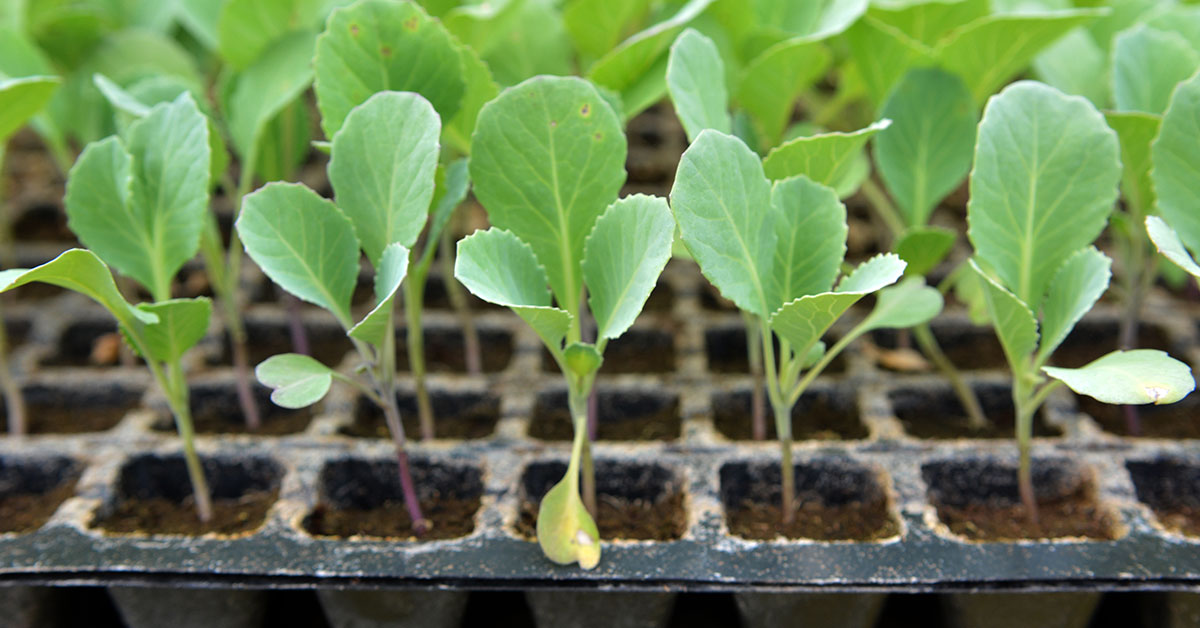
For spring planting, you can start cabbage seeds indoors about 6 to 8 weeks before the last expected frost date, which is usually around mid-April in Massachusetts. Once the seedlings have grown to a suitable size and the threat of frost has passed, usually in late April or early May, you can transplant them into your garden.
If you prefer a fall crop, you can start cabbage seeds indoors around mid-June and transplant them into the garden in mid-July. This allows the plants to mature during the cooler months of autumn, ensuring a sweeter and more flavorful harvest.
When planting cabbage, it is important to choose a site with full sun exposure and well-drained soil. Cabbage plants also benefit from consistent moisture, so watering regularly is essential. Proper spacing between plants is crucial to allow for air circulation and prevent the spread of diseases.
In terms of care, regular fertilization and weed control are important for the health and productivity of cabbage plants. Mulching around the base of the plants can help conserve moisture and suppress weed growth.
Harvesting time for cabbage in Massachusetts will depend on the specific variety you are growing. Typically, cabbage heads are ready for harvest 70 to 100 days after transplanting. To ensure the best flavor and texture, harvest cabbage heads when they reach a firm and compact size, before they become too large and loose.
By following these guidelines, you should be able to successfully grow cabbage in Massachusetts and enjoy a bountiful harvest. Happy gardening!
When to harvest Cabbage in Massachusetts
The optimal time to harvest cabbage in Massachusetts is typically in the late summer or early fall, around 70 to 90 days after transplanting or 90 to 110 days after sowing seeds. This timing allows the cabbage heads to reach their full size and maturity. Keep an eye on the cabbage heads and look for firm, compact heads with outer leaves that are tightly wrapped around the head. Harvesting too early may result in smaller heads, while waiting too long could lead to splitting or bolting.
Other considerations
When growing cabbage in Massachusetts, there are several additional considerations to keep in mind:
- Climate: Massachusetts has a temperate climate with distinct seasons. Cabbage prefers cool temperatures and can tolerate light frost, making it suitable for spring and fall planting. Ensure that you choose cabbage varieties that are suited for the local climate and the specific growing season.
- Soil: Cabbage thrives in well-drained, fertile soil with a pH range of 6.0 to 6.8. Before planting, amend the soil with organic matter like compost to enhance its fertility and drainage. Conduct a soil test to determine the nutrient levels and adjust accordingly.
- Sunlight: Cabbage requires at least six hours of direct sunlight per day to grow properly. Choose a location in your garden that receives ample sunlight and avoid planting in shaded areas.
- Planting time: In Massachusetts, you can start cabbage seeds indoors about 4-6 weeks before the last expected frost date. Transplant the seedlings into the garden when they are 3-4 inches tall and the soil temperature has reached around 45°F (7°C). For fall crops, start seeds indoors in mid-summer and transplant them into the garden around mid to late August.
- Watering: Cabbage needs consistent moisture to develop properly. Water the plants deeply, providing about 1-1.5 inches of water per week. Ensure the soil remains evenly moist but not waterlogged. Mulching can help retain moisture and regulate soil temperature.
- Fertilization: Cabbage plants have high nutrient requirements. Prior to planting, incorporate a balanced fertilizer into the soil. During the growing season, side-dress the plants with nitrogen-rich fertilizer every 3-4 weeks. Follow the manufacturer’s instructions for application rates.
- Pest and disease management: Cabbage is susceptible to various pests and diseases, including cabbage worms, aphids, slugs, and clubroot. Implement preventative measures such as crop rotation, physical barriers, and regular inspection to identify and address any issues promptly. Consider using organic pest control methods or consult with your local garden center for suitable pesticide options.
- Harvesting: Harvest cabbage heads when they reach the desired size and firmness. Cut the heads with a sharp knife, leaving a few outer leaves intact. Properly stored cabbage heads can last for several weeks in a cool, dark, and humid environment.
By taking these considerations into account, you can increase your chances of successfully growing cabbage in Massachusetts.