
Determining the best time to plant cucumbers in Rhode Island is crucial for a successful harvest. As these warm-season vegetables thrive in specific weather conditions. Rhode Island, located in USDA Hardiness Zones 5 and 6, experiences a moderate climate with cool springs and hot summers.
In this article, we will explore the ideal timing for planting cucumbers in Rhode Island, considering factors such as frost dates, soil temperature, and the length of the growing season.
Best varieties of Cucumbers for Rhode Island
In Rhode Island, some good varieties of cucumbers to consider are:
- Marketmore: This is a popular variety that is known for its crisp texture and excellent flavor. It is a disease-resistant variety and produces straight, dark green cucumbers.
- Straight Eight: This variety is known for its straight, uniform shape and smooth skin. It has a sweet, mild flavor and is great for salads or pickling.
- Armenian: Also known as “Snake” or “Long Green,” this variety produces long, slender cucumbers with a thin skin. It has a crisp texture and slightly sweet taste.
- Lemon: This unique variety produces small, round cucumbers that resemble lemons. They have a mild, sweet flavor and are great for pickling or eating fresh.
- Bush Champion: If you have limited space or prefer to grow cucumbers in containers, this compact variety is a good choice. It produces high yields of small to medium-sized cucumbers.
Remember to choose disease-resistant varieties and provide proper care, such as regular watering and adequate sunlight, to ensure a successful cucumber harvest in Rhode Island.
When to plant Cucumbers in Rhode Island
In Rhode Island, the hardiness zones range from 5a to 7a, according to the United States Department of Agriculture (USDA) Plant Hardiness Zone Map. These zones are determined based on the average minimum winter temperatures experienced in different regions.
When it comes to planting cucumbers in Rhode Island, it’s essential to consider the weather conditions and the specific requirements of the plant. Cucumbers are warm-season vegetables that thrive in temperatures between 70°F and 95°F (21°C – 35°C).
Typically, the best time to plant cucumbers in Rhode Island is in late spring or early summer when the soil has warmed up and all danger of frost has passed. This usually falls around mid-May to early June, depending on the specific microclimate in your area.
Cucumbers are sensitive to cold temperatures and frost, so it’s crucial to wait until the soil is consistently warm before planting. Soil temperatures should be at least 60°F (15°C) before transplanting cucumber seedlings or sowing seeds directly into the ground.
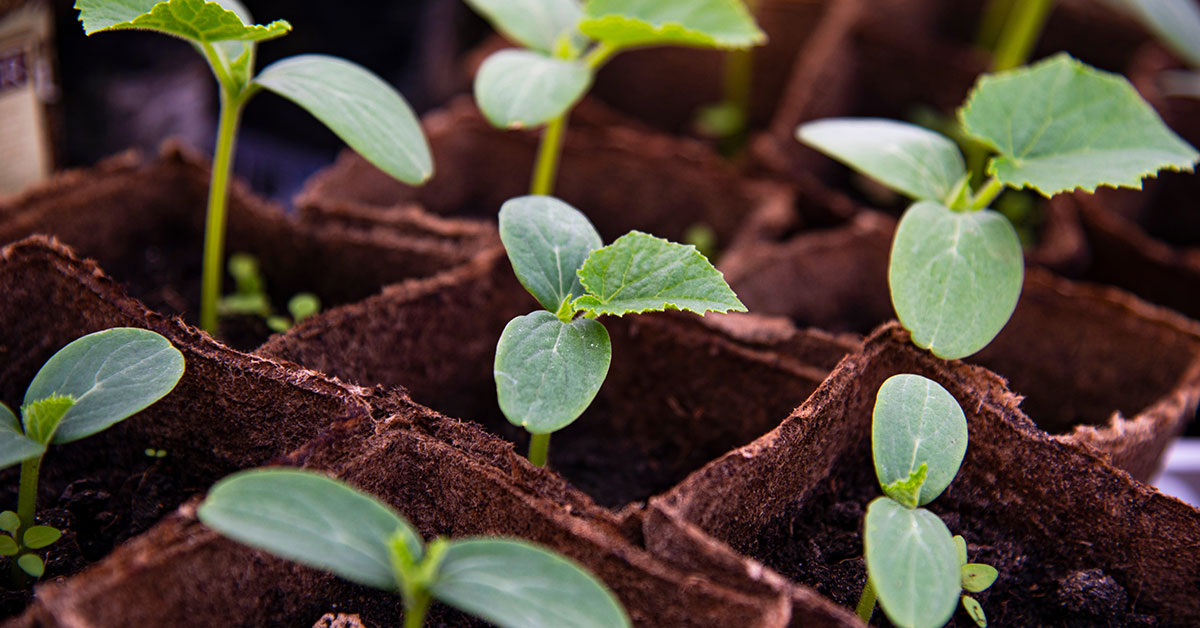
To ensure a successful cucumber crop, you can start seeds indoors about three to four weeks before the last expected frost date. This will give the seedlings a head start before transplanting them outdoors. However, cucumbers are also fast-growing plants, and direct sowing is a popular method in Rhode Island.
Before planting cucumbers, prepare the soil by incorporating organic matter like compost or well-rotted manure to improve its fertility and drainage. Cucumbers prefer a soil pH of 6.0 to 7.0. Choose a sunny location in your garden or consider using containers if you have limited space.
When planting cucumbers, space the seeds or seedlings about 12 to 24 inches apart, allowing enough room for the vines to spread. Provide a trellis or support structure for vining varieties to ensure vertical growth and better airflow, which can reduce disease incidence.
Regular watering is crucial for cucumber plants, as they require consistent moisture, especially during flowering and fruiting. Mulching the soil around the plants can help retain moisture, suppress weed growth, and maintain a more even soil temperature.
In terms of variety selection, there are many cucumber varieties suitable for Rhode Island’s climate. Consider choosing disease-resistant varieties that are known to perform well in your area to increase your chances of success.
Overall, by planting cucumbers at the right time, providing proper care, and selecting suitable varieties, you can enjoy a bountiful cucumber harvest in your Rhode Island garden.
When to harvest Cucumbers in Rhode Island
The optimal time to harvest cucumbers in Rhode Island is typically in late summer, around August to September. However, the exact timing may vary depending on the specific variety of cucumber you are growing and the weather conditions in your area. It’s best to monitor your plants closely and harvest the cucumbers when they reach the desired size and color. Generally, cucumbers are ready for harvest when they are firm, have a dark green color, and are about 6 to 8 inches long. Harvesting regularly and not allowing the cucumbers to become overripe will encourage the plant to produce more fruits.
Other considerations for growing Cucumbers
When growing cucumbers in Rhode Island, there are a few additional considerations to keep in mind:
- Climate: Rhode Island has a temperate climate with relatively short summers. It’s important to choose cucumber varieties that are well-suited to this climate and have a shorter growing period. Look for varieties that mature quickly, such as bush or compact varieties.
- Soil: Cucumbers prefer well-drained soil with a pH level between 6.0 and 7.0. Before planting, amend the soil with organic matter like compost to improve drainage and fertility. Additionally, cucumber plants benefit from a good supply of nutrients, so consider using a balanced fertilizer.
- Sunlight: Cucumbers thrive in full sun, so choose a location in your garden that receives at least 6-8 hours of direct sunlight per day. This will help ensure optimal growth and fruit production.
- Watering: Cucumbers have high water requirements, especially during hot and dry periods. Provide consistent moisture to the plants, keeping the soil evenly moist but not waterlogged. Consider using mulch around the plants to help retain soil moisture and reduce weed growth.
- Pest and disease management: Cucumbers can be susceptible to various pests and diseases. Such as cucumber beetles, powdery mildew, and downy mildew. Monitor your plants regularly and take appropriate measures to control pests and prevent diseases. This can include using organic insecticides, practicing crop rotation, and planting disease-resistant varieties.
- Trellising: To save space and improve air circulation around the plants, consider trellising your cucumbers. This will also help keep the fruit off the ground, reducing the risk of rot and pest damage.
- Harvesting: Regularly harvest mature cucumbers to encourage continuous fruit production. Pick them when they reach the desired size and color, usually before they get too large or develop a yellow color. Harvesting regularly also prevents the plant from diverting energy to overripe fruits, allowing it to focus on producing more cucumbers.
By considering these factors, you can increase your chances of successful cucumber cultivation in Rhode Island’s unique climate and growing conditions.