
When it comes to growing cabbage in Idaho, timing is everything. As an experienced gardener, I understand the importance of choosing the right time to plant this nutrient-rich vegetable. Planting cabbage in Idaho requires a deep understanding of the state’s climate zones and final frost dates.
Planting cabbage in Idaho requires a deep understanding of the state’s climate zones and final frost dates. Therefore, knowing the best time to plant cabbage is crucial to ensure a successful harvest. In this article, we will explore the ideal planting time for cabbage in Idaho, taking into consideration the specific needs of this cool-season crop and the varying microclimates within the state.
Whether you are a seasoned gardener or a beginner looking to try your hand at growing cabbage, this guide will provide you with valuable insights to help you achieve a bountiful cabbage harvest in Idaho.
Best cabbage varieties to grow in Idaho
In Idaho, there are several varieties of cabbage that tend to perform well in the region’s climate and growing conditions. Here are a few recommended varieties:
- ‘Golden Acre’: This is a popular variety that produces medium-sized, round heads. It has a sweet flavor and is known for its tender leaves. ‘Golden Acre’ matures relatively quickly, making it a good choice for short growing seasons.
- ‘Early Jersey Wakefield’: This heirloom cabbage variety is known for its pointed, conical-shaped heads. It matures early and has a crisp texture and mild flavor. ‘Early Jersey Wakefield’ is resistant to splitting and can tolerate colder temperatures.
- ‘Red Express’: If you prefer red cabbage, ‘Red Express’ is a good choice. It produces compact, round heads with deep purple-red leaves. This variety has a sweet and tangy flavor and is suitable for both raw consumption and cooking.
- ‘January King’: This is a winter-hardy cabbage variety that can withstand colder temperatures. ‘January King’ forms large, wrinkled heads with green outer leaves and purple inner leaves. It has a slightly spicy flavor and can be harvested from late fall to early spring.
- ‘Copenhagen Market’: This cabbage variety is prized for its uniform, medium-sized heads. It has a mild flavor and tender leaves, making it suitable for both raw consumption and cooking. ‘Copenhagen Market’ is resistant to splitting and bolts slowly.
Remember to consider your specific growing conditions, such as soil type and available sunlight, when selecting cabbage varieties for your garden.
When to plant Cabbage in Idaho
In Idaho, the hardiness zones range from Zone 3a in the northern part of the state to Zone 7b in the southern regions. These zones indicate the average annual minimum temperature that a particular area can expect.
When it comes to planting cabbage in Idaho, it is important to consider the specific zone you are in. Cabbage is a cool-season crop that thrives in cooler temperatures and can tolerate a light frost. It is typically grown as a spring or fall crop.
For gardeners in the southern regions of Idaho, such as Zone 7b, the best time to plant cabbage is in early spring, around late March to mid-April. This allows the cabbage plants to establish before the summer heat sets in. Alternatively, cabbage can also be planted in late summer or early fall, around August to early September, for a fall harvest.
In the central regions of Idaho, such as Zone 6a and 6b, the planting windows are slightly different. Cabbage can be planted in early spring, around mid-April to early May, or in late summer, around late July to early August, for a fall crop.
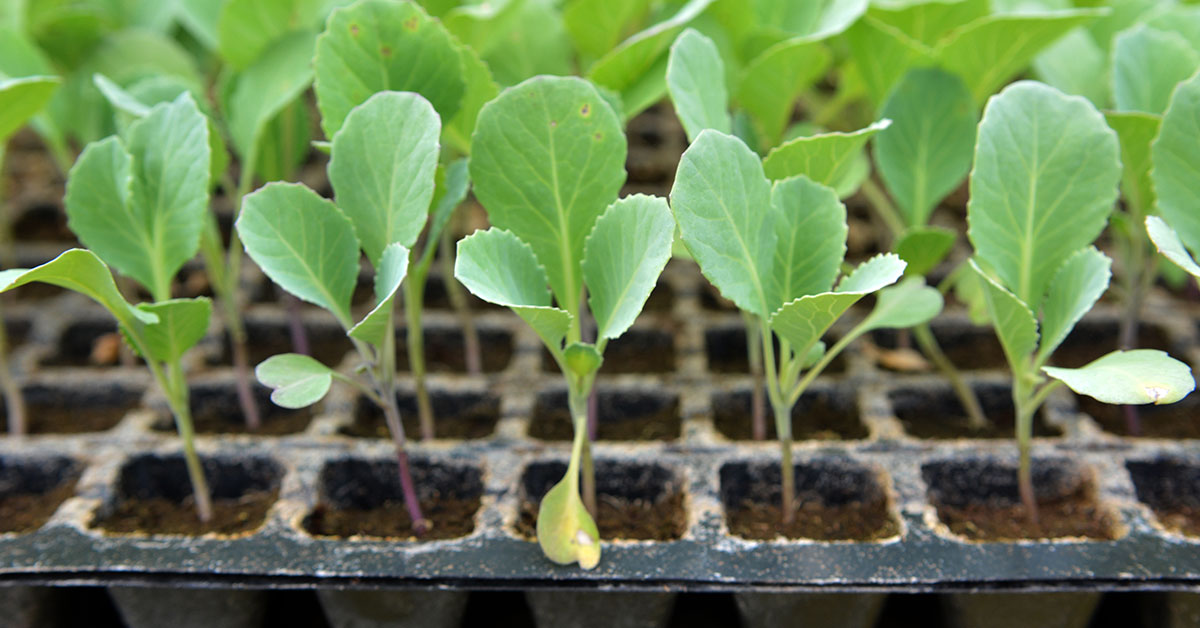
For gardeners in the northern regions of Idaho, such as Zone 5a and 5b, the shorter growing season requires careful timing. Cabbage can be started indoors as early as February or March and then transplanted into the garden around mid to late May. Alternatively, if you prefer direct seeding, cabbage can be sown directly into the garden in late May or early June.
It is important to note that these planting times are general guidelines, and local weather conditions can vary. Keep an eye on the weather forecast and adjust your planting schedule accordingly. Additionally, providing proper soil preparation, adequate moisture, and protection from pests and diseases will contribute to a successful cabbage harvest.
When to harvest Cabbage in Idaho
The optimal time to harvest cabbage in Idaho is typically in late summer or early fall, around 70-90 days after planting the seedlings. This timeframe usually falls between August and October, depending on the specific variety of cabbage you are growing and the weather conditions in your area. It is important to monitor the growth of the cabbage heads and harvest them when they reach their desired size and firmness. Additionally, keep an eye out for any signs of pests or diseases that may affect the quality of the cabbage, and consider harvesting earlier if necessary.
Other considerations
When growing cabbage in Idaho, there are a few additional considerations to keep in mind:
- Climate: Idaho has a diverse climate, with different regions experiencing varying temperatures and precipitation levels. Cabbage prefers cool weather and can tolerate light frost, so it’s important to choose cabbage varieties that are suitable for the specific microclimate in your area.
- Soil: Cabbage thrives in well-draining soil that is rich in organic matter. Before planting, it’s beneficial to amend the soil with compost or well-rotted manure to improve its fertility and moisture-holding capacity. Conducting a soil test can also help determine if any specific nutrient deficiencies need to be addressed.
- Watering: Cabbage plants require consistent moisture, especially during the early growth stages. Adequate watering is crucial to ensure proper head formation. However, it’s important to avoid overwatering, as cabbage is susceptible to root rot and other diseases in excessively wet conditions. Consider using drip irrigation or soaker hoses to deliver water directly to the roots while minimizing leaf wetness.
- Pest management: Cabbage can be vulnerable to various pests, including cabbage worms, aphids, and flea beetles. Implementing pest management strategies such as crop rotation, using floating row covers, or applying organic insecticides can help protect your plants. Regularly inspecting the plants for any signs of pest damage and promptly addressing the issue is essential.
- Crop rotation: To prevent the buildup of soil-borne diseases and pests, it’s advisable to rotate cabbage crops with other plant families in subsequent years. Avoid planting cabbage in the same location for at least three years.
- Timing: Start cabbage seeds indoors about 6-8 weeks before the last expected frost date in your area. Transplant the seedlings outdoors once the soil has warmed up and is workable. Alternatively, you can also directly sow seeds in the garden when the soil temperature reaches around 45-75°F (7-24°C).
- Harvesting: Cabbage heads are ready for harvest when they feel firm and have reached the desired size. Harvesting should typically be done in the morning when the heads are cool. Cut the heads off at the base, leaving a few outer leaves attached to protect the inner core.
By considering these factors and providing the necessary care, you can successfully grow cabbage in Idaho and enjoy a bountiful harvest.