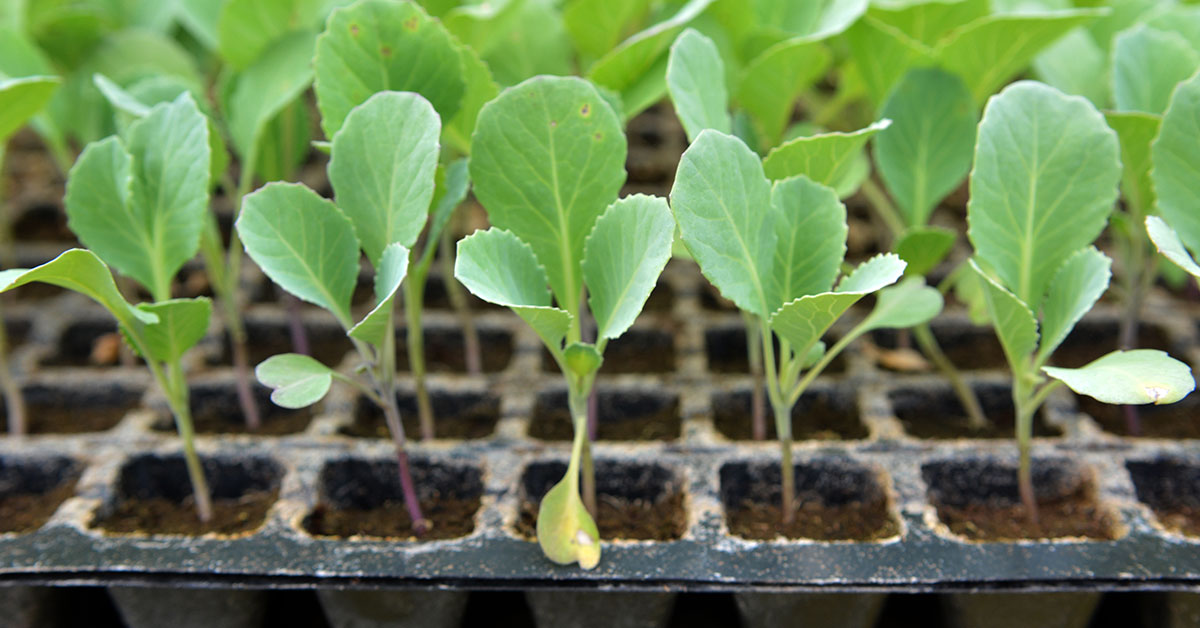

If you’re an aspiring gardener in the beautiful state of Iowa, you may be wondering about the optimal time to plant cabbage. Cabbage, known for its crisp leaves and versatility in the kitchen, thrives in the cool temperatures of spring and fall. Planting cabbage in Iowa requires a deep understanding of the state’s climate zones and final frost dates.
As a hardy vegetable, it can withstand frost and even improve in flavor after exposure to cooler temperatures. To ensure a successful cabbage crop, it’s crucial to understand the best time to plant in Iowa’s climate.
In this article, we will explore the ideal planting times, consider the various factors that affect cabbage growth, and provide helpful tips to maximize your cabbage yield in the Hawkeye State. Whether you’re a seasoned gardener or a beginner, this guide will equip you with the knowledge and confidence to cultivate thriving cabbage plants in Iowa.
Best cabbage varieties to grow in Iowa
In Iowa, there are several varieties of cabbage that grow well in the region’s climate. Here are a few popular choices:
- ‘Early Jersey Wakefield’: This early-maturing variety is known for its pointed, conical-shaped heads. It is excellent for small gardens and can withstand cool temperatures, making it ideal for Iowa’s spring and fall seasons.
- ‘Golden Acre’: This variety produces small to medium-sized, round heads with a mild flavor. It is a favorite among gardeners and is well-suited for both fresh consumption and storage.
- ‘Red Express’: If you’re looking for a colorful option, ‘Red Express’ cabbage is a great choice. It produces small, solid heads with deep red-purple leaves. It has a sweet flavor and is perfect for adding vibrant color to salads and slaws.
- ‘Savoy’: Savoy cabbage is characterized by its crinkled or wrinkled leaves, which give it a unique texture. It has a mild and sweet flavor and is often used in stir-fries, soups, and stews.
- ‘Late Flat Dutch’: This variety is known for its large, round heads that can reach impressive sizes. It has a mild flavor and is excellent for making sauerkraut or storing for longer periods.
When selecting cabbage varieties, it’s important to consider your specific growing conditions and preferences. It’s always a good idea to consult with local nurseries or agricultural extension services to get advice tailored to your area.
When to plant Cabbage in Iowa
In Iowa, the state’s hardiness zones play a crucial role in determining the best time to plant various crops, including cabbage. Iowa generally falls into USDA hardiness zones 4 and 5, which means it experiences cold winters with average minimum temperatures ranging between -30°F to -20°F (-34°C to -29°C) in zone 4 and -20°F to -10°F (-29°C to -23°C) in zone 5.
When it comes to planting cabbage, it is essential to consider both the last spring frost date and the first fall frost date in Iowa. These dates help determine the suitable planting window for cabbage and other cool-season crops.
Typically, cabbage is a cool-weather crop that thrives in temperatures between 45°F to 75°F (7°C to 24°C). It can tolerate light frosts and even temperatures as low as 20°F (-6°C). However, extreme cold and freezing temperatures can harm the plants.
To give cabbage plants the best chance of success, it is recommended to start seeds indoors about 6 to 8 weeks before the last spring frost date. This allows the seedlings to establish and become sturdy enough to be transplanted outdoors.
The last spring frost date in Iowa varies depending on the specific location within the state but typically falls between late April to mid-May. Once the danger of frost has passed, cabbage seedlings can be transplanted into the garden.
Alternatively, if you prefer to directly sow cabbage seeds in the garden, it is advisable to wait until the soil temperature reaches around 45°F (7°C) for optimal germination. This usually occurs in early spring, a few weeks before the last spring frost date.
When transplanting or direct sowing cabbage, ensure the plants receive ample sunlight and are planted in well-drained, fertile soil. Cabbage plants should be spaced approximately 12 to 18 inches apart, depending on the variety.
To extend the harvest season, successive plantings can be made every few weeks until early summer. This ensures a continuous supply of fresh cabbage throughout the growing season.
As fall approaches, cabbage can also be planted for a second harvest. It is best to sow seeds or transplant seedlings around mid to late summer, taking into account the time needed for maturity before the first fall frost date. The first fall frost in Iowa typically occurs between late September and mid-October.
By considering the state’s hardiness zones and the recommended planting times, gardeners in Iowa can enjoy successful cabbage crops and an abundant harvest.
When to harvest Cabbage in Iowa
The optimal time to harvest cabbage in Iowa is typically in the late summer or early fall, depending on the specific variety you are growing. Cabbage is a cool-season crop that prefers cooler temperatures for optimal growth. It is usually ready for harvest when the heads feel firm and have reached their desired size. This is usually around 70 to 90 days after transplanting or sowing the seeds, depending on the variety. Keep an eye on the cabbage heads and check for signs of maturity, such as a tight and solid formation, before harvesting.
Other considerations
When growing cabbage in Iowa, there are a few additional considerations to keep in mind:
- Soil: Cabbage prefers well-draining soil that is rich in organic matter. Before planting, amend the soil with compost or well-rotted manure to improve its fertility and structure. Conduct a soil test to determine the pH level and make necessary adjustments for optimal growth.
- Temperature and Frost: Cabbage is a cool-season crop and can tolerate mild frosts, but it is susceptible to damage from hard freezes. Start seeds indoors 4-6 weeks before the last frost date, or plant transplants outdoors 2-3 weeks before the last frost. To extend the growing season, use row covers or cold frames to protect the plants from late spring or early fall frosts.
- Sunlight: Cabbage requires full sunlight for at least six hours a day. Choose a location in your garden that receives adequate sunlight to promote healthy growth and development.
- Watering: Cabbage needs consistent moisture throughout the growing season to prevent stress and promote proper head formation. Water deeply and regularly, aiming for around 1-1.5 inches of water per week. Avoid overhead watering to prevent disease issues, especially during hot and humid weather.
- Pest and Disease Control: Cabbage is prone to various pests and diseases, including cabbage worms, aphids, cabbage loopers, and clubroot. Monitor your plants regularly and take appropriate measures to control these issues, such as introducing beneficial insects, using organic insecticides, or practicing crop rotation. Regularly inspect plants for signs of disease, such as yellowing or wilting, and promptly address any problems.
- Fertilization: Cabbage is a heavy feeder and requires regular fertilization. Before planting, incorporate a balanced fertilizer or compost into the soil. Side-dress the plants with nitrogen-rich fertilizer, such as blood meal or fish emulsion, every 3-4 weeks during the growing season to promote healthy growth.
- Crop Rotation: Rotate cabbage crops every year to prevent the buildup of soil-borne diseases and pests. Avoid planting cabbage or other brassicas in the same location for at least three years to reduce the risk of crop-specific issues.
By considering these factors, you can increase your chances of growing healthy and productive cabbage plants in Iowa.