
Are you an avid gardener in Indiana looking to grow your own cabbage? Well, you’re in luck! Cabbage is a versatile and nutritious vegetable that thrives in the Hoosier state’s climate. Planting cabbage in Indiana requires a deep understanding of the state’s climate zones and final frost dates.
Timing is everything when it comes to planting, and understanding the best time to sow your cabbage seeds or transplant seedlings can make all the difference in achieving a bountiful crop. In this article, we will explore the optimal planting window for cabbage in Indiana, taking into account factors such as frost dates, temperature requirements, and the cabbage varieties that are best suited for the region. So, grab your gardening gloves and get ready to learn about the ideal time to get your cabbage patch started!
Best cabbage varieties to grow in Indiana
In Indiana, there are several varieties of cabbage that grow well in the region. Here are a few popular choices:
- Early Jersey Wakefield: This variety is known for its early maturity and compact size. It produces small to medium-sized heads with a sweet and tender flavor.
- Copenhagen Market: Copenhagen Market is a mid-season variety that forms round, solid heads. It has a good resistance to diseases and is suitable for both fresh consumption and storage.
- Red Express: If you’re looking for a vibrant and colorful cabbage, Red Express is a great choice. It has deep red-purple leaves and a mild flavor. It is also a good option for small gardens as it forms small to medium-sized heads.
- Stonehead: Stonehead is a late-maturing variety that produces large, dense heads. It has good resistance to splitting and can be stored for an extended period. It is also known for its excellent flavor and texture.
- Golden Acre: Golden Acre is a compact variety that is easy to grow. It forms medium-sized, round heads with a sweet and mild flavor. It is a good choice for fresh consumption and works well in smaller gardens.
Remember to consider your specific growing conditions and preferences when selecting cabbage varieties. It’s also a good idea to check with local nurseries or gardening experts for recommendations based on your specific location in Indiana.
When to plant Cabbage in Indiana
In gardening, understanding the hardiness zones is crucial for successful plant growth. The United States Department of Agriculture (USDA) has divided the country into various hardiness zones based on average annual minimum temperatures. These zones help gardeners determine which plants will thrive in their specific region.
Indiana falls into USDA hardiness zones 5 and 6. Zone 5 covers the northern part of the state, while zone 6 encompasses the southern region. The primary difference between these two zones lies in the average minimum winter temperatures, with zone 5 experiencing colder winters compared to zone 6.
When it comes to planting cabbage in Indiana, it is important to consider both the hardiness zones and the specific requirements of this cool-season crop. Cabbage is classified as a cool-weather vegetable, meaning it thrives in cooler temperatures and can tolerate light frosts.
For gardeners in Indiana, the best time to plant cabbage is in early spring, once the soil has thawed and temperatures consistently reach around 45-55°F (7-13°C). This typically occurs between late March and early April in the southern part of the state (zone 6), and a few weeks later in the northern regions (zone 5).
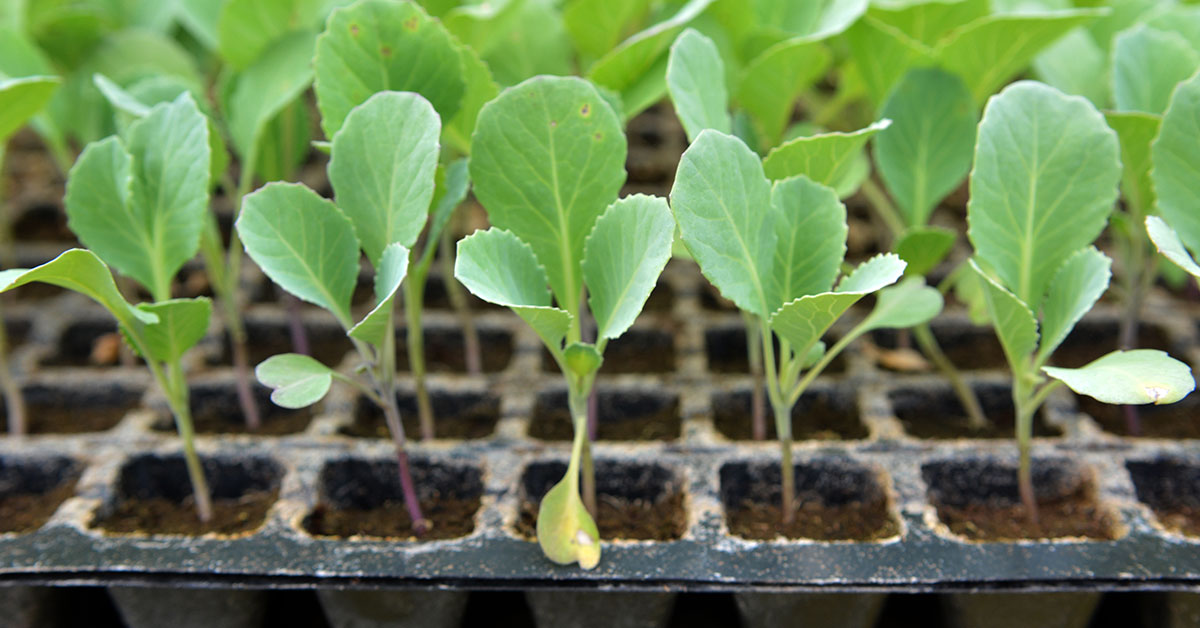
Starting cabbage seeds indoors about 6-8 weeks before the last expected frost date can provide a head start. Transplanting seedlings into the garden when they are 4-6 weeks old is generally recommended. Alternatively, you can directly sow cabbage seeds into the garden around the same time, ensuring the soil temperature is suitable.
Cabbage prefers well-draining soil rich in organic matter. It requires full sun exposure for at least 6 hours a day to promote healthy growth. Adequate spacing between plants, typically 12-18 inches apart, allows for proper air circulation and helps prevent diseases.
Regular watering is essential for cabbage, especially during dry spells. It is important to maintain consistent moisture levels in the soil to ensure optimal growth. Applying a layer of mulch around the plants can help retain moisture and keep weeds at bay.
Harvesting cabbage usually occurs 70-90 days after transplanting, depending on the variety. It is best to harvest cabbage heads when they are firm and compact. If left in the ground for too long, cabbage heads may split or become susceptible to pests and diseases.
By considering the hardiness zones, the ideal planting time, and proper care, gardeners in Indiana can successfully grow cabbage and enjoy a bountiful harvest.
When to harvest Cabbage in Indiana
The optimal time to harvest cabbage in Indiana is typically in the late summer or early fall, around 70 to 90 days after planting. The exact timing can vary depending on the specific variety of cabbage you are growing and the weather conditions during the growing season. You can start checking for readiness to harvest when the cabbage heads feel firm to the touch and have reached a desirable size, usually around 6-8 inches in diameter. It’s important to harvest the cabbage before it becomes overmature, as the heads can split and the flavor may become bitter.
Other considerations
When growing cabbage in Indiana, there are several other considerations to keep in mind:
- Planting time: Cabbage is a cool-season crop that prefers to grow in cooler temperatures. In Indiana, it is best to start cabbage seeds indoors around 6-8 weeks before the last frost date. Transplant the seedlings outdoors once the soil has warmed up and there is no risk of frost.
- Soil requirements: Cabbage grows best in well-drained soil that is rich in organic matter. Before planting, amend the soil with compost or well-rotted manure to improve its fertility and drainage. The pH level of the soil should be slightly acidic to neutral, ideally around 6.5-7.0.
- Sunlight: Cabbage requires full sun exposure for at least 6-8 hours a day. Ensure that the selected planting location receives ample sunlight to promote healthy growth and development.
- Watering: Consistent moisture is crucial for cabbage plants. Adequate watering is necessary, especially during dry periods, to prevent stress and bolting (early flowering). Avoid overwatering, as it can lead to root rot. Mulching around the plants can help retain soil moisture and prevent weed growth.
- Fertilization: Cabbage is a heavy feeder and benefits from regular fertilization. Prior to planting, incorporate a balanced fertilizer into the soil. Additionally, side-dress the plants with nitrogen-rich fertilizer, such as compost or fish emulsion, every few weeks to promote vigorous growth.
- Pest and disease management: Cabbage is susceptible to various pests and diseases, including cabbage worms, aphids, flea beetles, and clubroot. Implement preventive measures like crop rotation, using row covers, and regular inspection to identify and address any issues promptly. Organic pest control methods, such as handpicking pests or using insecticidal soaps, can also be effective.
- Harvesting: Cabbage heads are ready for harvest when they feel firm and have reached the desired size. Cut the heads off at the base, leaving a few outer leaves intact to protect the plant’s core. Harvesting should be done before the heads crack or split.
By considering these factors, you can increase your chances of successful cabbage cultivation in Indiana.