
Welcome to this informative article on the best time to plant cabbage in the beautiful state of Illinois! Whether you’re an experienced gardener or just starting out, understanding the optimal planting time for cabbage is crucial for a successful harvest. Planting cabbage in Illinois requires a deep understanding of the state’s climate zones and final frost dates.
Illinois, with its diverse climate and varying temperatures, requires careful consideration when deciding when to sow your cabbage seeds or transplant seedlings. In this article, we will explore the different factors that influence the ideal planting time, such as the last frost date, soil temperature, and cabbage variety.
By the end, you’ll have the knowledge and confidence to plan your cabbage planting schedule for a bountiful harvest in the Land of Lincoln. So, let’s dive in and learn when to get your hands dirty and start growing delicious cabbage in Illinois!
Best cabbage varieties to grow in Illinois
There are several good varieties of cabbage that grow well in Illinois. Here are some popular choices:
- Early Jersey Wakefield: This is an early maturing variety that produces conical-shaped heads. It is known for its excellent flavor and tender leaves.
- Copenhagen Market: This variety is well-suited for cooler climates like Illinois. It produces round, medium-sized heads that are crisp and flavorful.
- Red Express: If you prefer red cabbage, this variety is a good choice. It has vibrant purple-red leaves and produces firm, medium-sized heads.
- Stonehead: This variety is known for its compact heads and excellent disease resistance. It is a good choice for small gardens or containers.
- Golden Acre: This variety produces small to medium-sized heads with a sweet and mild flavor. It is a great choice for fresh eating or coleslaw.
- January King: This variety is unique as it produces heads with a mix of green and purple leaves. It has a slightly savoyed texture and a sweet flavor.
When choosing cabbage varieties, consider factors like maturity dates, disease resistance, and taste preferences. It’s always a good idea to check with your local garden center or cooperative extension for specific recommendations based on your location in Illinois.
When to plant Cabbage in Illinois
In Illinois, the state’s hardiness zones range from Zone 5 in the northern regions to Zone 7 in the southern regions. These zones are determined by the United States Department of Agriculture (USDA) and provide guidance on the types of plants that can thrive in specific areas based on their cold hardiness.
When it comes to planting cabbage in Illinois, it is important to consider both the average spring and fall frost dates for your particular zone. Cabbage is a cool-season crop that prefers cooler temperatures and can tolerate light frosts.
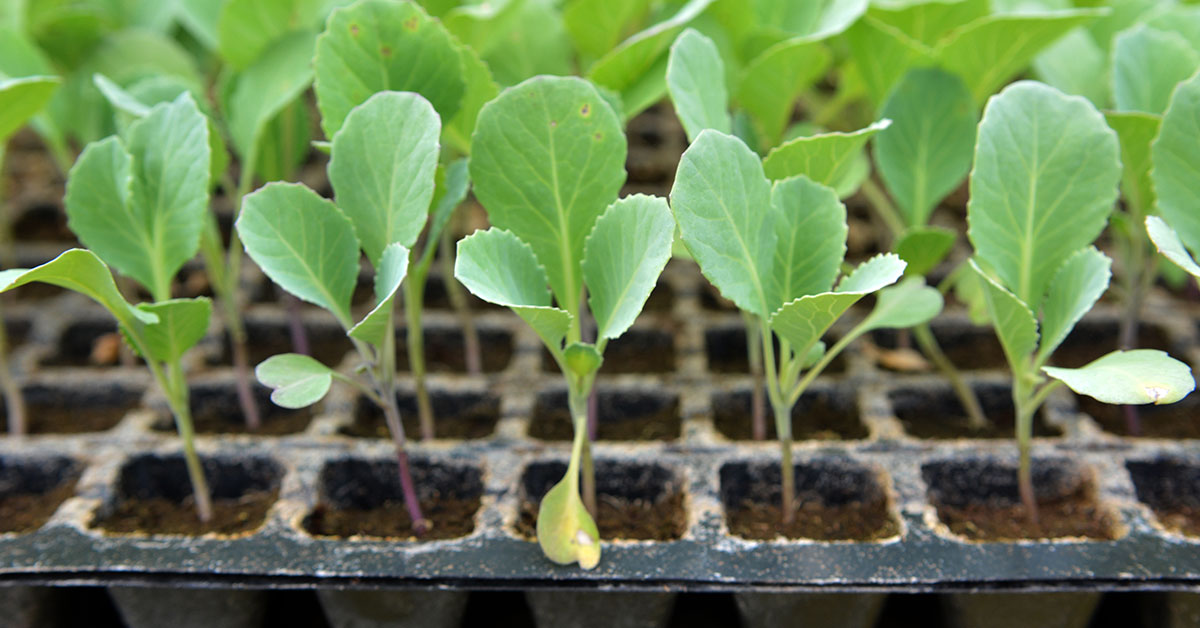
For Zone 5 in northern Illinois, the best time to plant cabbage is typically in late March to early April. However, it is recommended to start cabbage seeds indoors 4-6 weeks before the last expected frost date and then transplant them outdoors when the soil is workable and temperatures are consistently above freezing.
For Zone 6 in central Illinois, the ideal time to plant cabbage is around mid-March to early April. Starting seeds indoors around 4-6 weeks prior to the last frost date is also recommended for this zone.
For Zone 7 in southern Illinois, cabbage can be planted a bit earlier, starting from late February to early March. Transplanting seedlings outdoors can take place when the soil is ready and the threat of frost has passed.
It is important to note that these timeframes are general guidelines, and weather conditions can vary from year to year. Paying attention to the local weather forecast and soil temperatures can help you determine the best time to plant cabbage in your specific area.
Additionally, cabbage grows best in well-drained soil with a pH between 6.0 and 7.5. Providing adequate sunlight, regular watering, and proper spacing between plants will also contribute to successful cabbage cultivation.
By following these guidelines and considering your specific hardiness zone, you can ensure the optimal timing for planting cabbage in Illinois and increase your chances of a successful harvest.
When to harvest Cabbage in Illinois
The optimal time to harvest cabbage in Illinois is typically in late summer or early fall. Cabbage is a cool-season crop and it thrives in cooler temperatures. In Illinois, this means that cabbage is usually ready for harvest around 70 to 90 days after transplanting, which can vary depending on the specific variety you are growing.
It’s important to keep an eye on the development of the cabbage heads to determine when they are ready to be harvested. Generally, the heads should feel firm and dense, and the outer leaves may start to loosen and slightly crack. The heads usually reach their full size before they are harvested.
If you notice that the outer leaves are starting to yellow or the heads are cracking too much, it’s a sign that the cabbage is overripe and should be harvested immediately. On the other hand, if the heads are still small or tight, you may want to wait a little longer before harvesting to allow them to fully develop.
Overall, keep an eye on the maturity of the cabbage heads and aim to harvest them when they are firm, dense, and have reached their desired size.
Other considerations
When growing cabbage in Illinois, there are several other considerations that you should keep in mind:
- Climate and Timing: Cabbage is a cool-season crop that prefers temperatures between 45-75°F (7-24°C). In Illinois, you need to consider the state’s climate and plan your planting accordingly. Cabbage can be started indoors 4-6 weeks before the last expected frost or directly sown in the garden when the soil temperature reaches around 45°F (7°C).
- Soil Preparation: Cabbage requires well-drained soil with a pH level between 6.0-7.5. Before planting, amend the soil with organic matter such as compost or well-rotted manure to improve its fertility and drainage. It’s also beneficial to conduct a soil test to determine any nutrient deficiencies and adjust accordingly.
- Sunlight: Cabbage needs at least 6-8 hours of direct sunlight daily. Choose a location in your garden that receives ample sunlight throughout the day.
- Watering: Cabbage requires consistent moisture, especially during its growing stage. Aim for around 1 inch of water per week, either from rainfall or supplemental irrigation. Avoid overwatering, as it can lead to disease issues.
- Spacing: Cabbage plants need adequate space to grow and develop properly. Plant them around 12-24 inches apart, depending on the variety, to ensure good air circulation, prevent overcrowding, and reduce the risk of diseases.
- Pest and Disease Management: Cabbage is susceptible to a variety of pests and diseases, including cabbage worms, aphids, clubroot, and black rot. Monitor your plants regularly and take appropriate measures such as using organic pest control methods, crop rotation, and practicing good garden hygiene to minimize these issues.
- Fertilization: Cabbage is a heavy feeder and requires regular fertilization. Prior to planting, incorporate a balanced organic fertilizer into the soil. Additionally, side-dress the plants with nitrogen-rich fertilizer once they start forming heads, following the recommended application rates.
- Harvesting: Harvest cabbage when the heads are firm and solid. Cut the heads at the base with a sharp knife, leaving some outer leaves intact. If you plan to store the cabbage, remove any damaged or loose leaves and store them in a cool, dark place.
By considering these factors, you can increase your chances of successfully growing cabbage in Illinois.