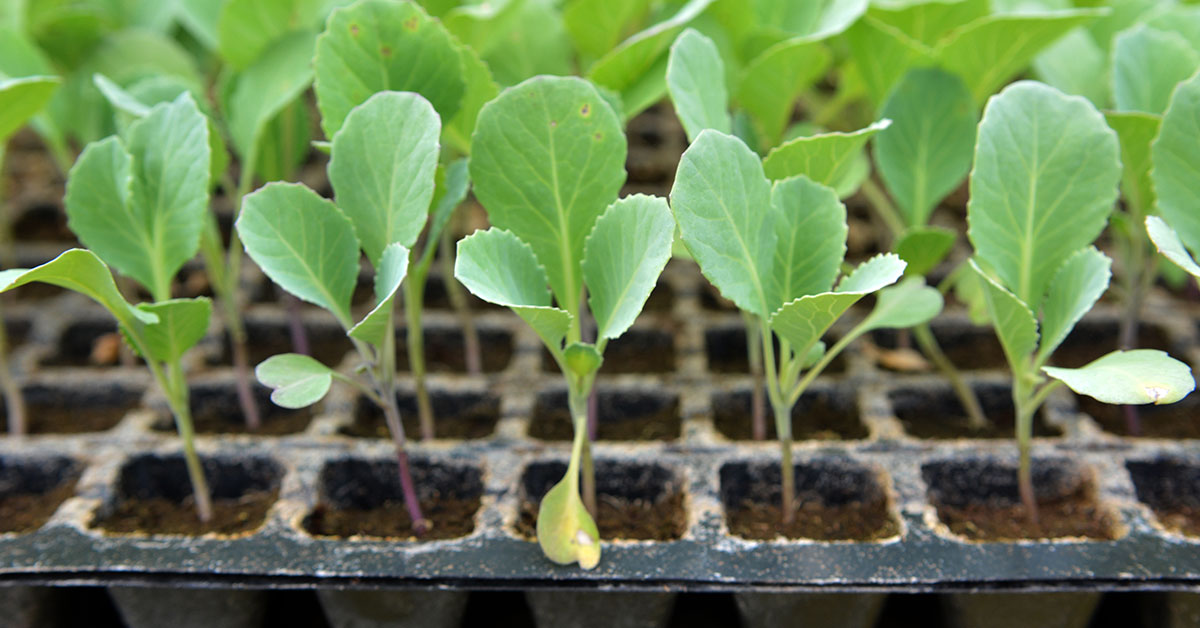

Cabbage, a versatile and nutritious vegetable, thrives in the cool climate of Delaware. As a gardener, knowing the best time to plant cabbage is crucial to ensure a successful harvest. With its crisp leaves and endless culinary possibilities, cabbage is a popular choice among home gardeners. Planting cabbage in Delaware requires a deep understanding of the state’s climate zones and final frost dates.
In this article, we will explore the optimal timing for planting cabbage in Delaware, taking into consideration the state’s unique climate and growing conditions. Whether you’re a seasoned gardener or a novice looking to try your hand at growing cabbage, understanding the best time to plant will set you on the path to a bountiful and delicious harvest.
Best cabbage varieties to grow in Delaware
In Delaware, there are several good varieties of cabbage that you can consider growing. Here are a few options:
- Early Jersey Wakefield: This is a popular heirloom variety that matures quickly and produces cone-shaped, pointed heads. It is known for its excellent flavor and tender texture.
- Copenhagen Market: This variety is a great choice for small gardens as it forms compact heads that are resistant to splitting. It has a mild flavor and is ideal for both fresh eating and cooking.
- Stonehead: Stonehead cabbage is a reliable variety that produces round, solid heads with crisp leaves. It is resistant to splitting and can tolerate cold temperatures well.
- Red Express: If you’re looking for a red cabbage variety, Red Express is a good option. It has compact heads with vibrant red-purple leaves and a slightly peppery flavor.
- Savoy Perfection: Savoy cabbage varieties have crinkled leaves, and Savoy Perfection is a popular choice. It forms large, loose heads with tender leaves and has a milder flavor compared to other varieties.
Remember to consider factors such as your garden’s growing conditions, available space, and personal preferences when choosing the right cabbage variety for your garden in Delaware.
When to plant Cabbage in Delaware
Delaware is located in USDA hardiness zones 6a to 7a. The state experiences a moderate climate with cold winters and warm summers. Understanding the hardiness zones is essential for determining the best time to plant specific crops.
When it comes to planting cabbage in Delaware, it is important to consider its preference for cool weather. Cabbage is a cool-season crop that thrives in temperatures between 45°F (7°C) and 75°F (24°C). It is generally recommended to start cabbage seeds indoors 6 to 8 weeks before the last spring frost date.
In Delaware, the last spring frost typically occurs around mid-to-late April, which means that cabbage seeds should be started indoors around late February to early March. This gives the young plants enough time to develop before being transplanted outside.
Transplanting cabbage outdoors can be done when seedlings are around 4 to 6 weeks old and have developed several true leaves. The ideal outdoor planting time for cabbage in Delaware is usually around mid-April to early May, depending on weather conditions. However, it is always a good idea to monitor the weather forecast and ensure that the soil temperature is consistently above freezing before transplanting.
If you prefer to directly sow cabbage seeds in the garden, it is best to wait until the soil temperature reaches around 45°F (7°C). This usually occurs in early to mid-April in Delaware. Ensure that the soil is well-drained and has been amended with organic matter to provide a fertile growing environment for the cabbage plants.
For a fall harvest, you can also plant cabbage seeds directly in the garden around mid-July to early August. This allows the cabbage to mature during the cooler months of autumn.
When planting cabbage, it is crucial to provide adequate spacing between plants to prevent overcrowding and allow for proper air circulation. Cabbage plants prefer full sun but can tolerate partial shade, especially during the hotter months.
Remember to regularly water the cabbage plants to keep the soil consistently moist, but not waterlogged. Mulching around the base of the plants can help retain moisture and suppress weed growth. Additionally, cabbage plants benefit from regular fertilization with a balanced organic fertilizer.
By following these guidelines and considering the specific hardiness zones and climate of Delaware, you can ensure a successful cabbage harvest in your garden. Happy gardening!
When to harvest Cabbage in Delaware
The optimal time to harvest cabbage in Delaware generally falls between late summer and early fall. Cabbage is a cool-season crop and can tolerate light frost, making it ideal for cultivation in this region. The specific timing of harvest can vary depending on the variety of cabbage you are growing and the weather conditions each year. However, you can typically start harvesting cabbage when the heads feel firm and have reached a desirable size, usually around 60-75 days after transplanting. To ensure the best flavor and texture, it is recommended to harvest cabbage before the heads become too large, as they may become tough and develop a stronger flavor.
Other considerations
When growing cabbage in Delaware, there are several other considerations to keep in mind:
- Climate: Delaware has a humid subtropical climate, which can be challenging for growing cabbage. Cabbage prefers cooler temperatures, so it is important to choose the right cabbage varieties that are suitable for the region and can withstand both heat and humidity.
- Soil: Cabbage thrives in well-drained, fertile soil with a pH level between 6.0 and 7.5. It is beneficial to amend the soil with organic matter, such as compost, to improve its structure and fertility.
- Sunlight: Cabbage requires at least six hours of direct sunlight each day to grow and develop properly. Choose a location in your garden that receives ample sunlight to ensure good growth.
- Watering: Adequate water supply is crucial for cabbage plants. They need consistent moisture, especially during the hot summer months. Water deeply and regularly, making sure the soil remains consistently moist but not waterlogged.
- Pest control: Cabbage can be susceptible to various pests, such as cabbage worms, aphids, and slugs. Regularly inspect your plants for any signs of infestation and take appropriate measures to control pests, such as using organic insecticides or introducing beneficial insects like ladybugs.
- Crop rotation: To prevent the buildup of diseases and pests in the soil, practice crop rotation by planting cabbage in a different area of your garden each year. Avoid planting cabbage or other related crops, such as broccoli or cauliflower, in the same spot for at least three years.
- Timing: Start seeds indoors about 6-8 weeks before the last frost date in Delaware, which is typically around mid-April. Transplant the seedlings into the garden when they are about 4-6 weeks old and the soil has warmed up adequately. Alternatively, you can also sow cabbage seeds directly in the garden in early spring or late summer for a fall harvest.
- Harvesting: Cabbage heads are ready for harvest when they feel firm and have reached the desired size. Use a sharp knife to cut the head off at the base, leaving a few outer leaves intact. Harvesting should be done before the heads split or become too mature.
By considering these factors and providing proper care, you can successfully grow cabbage in Delaware and enjoy a bountiful harvest.