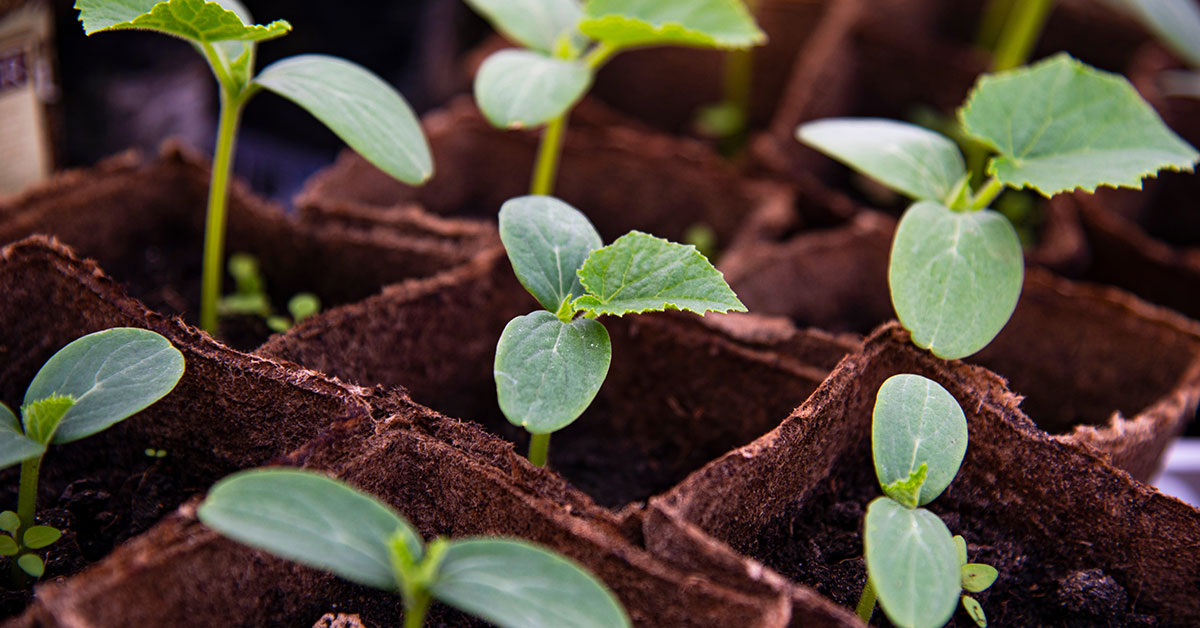

If you’re a cucumber enthusiast, you may find yourself wondering about the best time to plant cucumbers in Pennsylvania. Thankfully, with its diverse climate, Pennsylvania offers multiple opportunities for successful cucumber cultivation.
We will take you through the ideal times to plant cucumbers in Pennsylvania, ensuring a fruitful and bountiful harvest.
Best varieties of Cucumbers for Pennsylvania
In Pennsylvania, some good varieties of cucumbers that generally perform well are:
- Marketmore 76: This variety is known for its disease resistance, high yield, and excellent flavor. It produces dark green, straight cucumbers that are perfect for slicing.
- Straight Eight: Another popular choice, Straight Eight cucumbers are known for their uniform shape, crisp texture, and refreshing taste. They are great for fresh eating, pickling, and slicing.
- Armenian: Also known as “snake cucumbers,” Armenian cucumbers are long and slender with a mild flavor. They are excellent for slicing, adding to salads, or making pickles.
- Boston Pickling: As the name suggests, Boston Pickling cucumbers are ideal for pickling due to their small size and crunchy texture. They are also tasty when eaten fresh.
- Lemon: Lemon cucumbers are unique in appearance, resembling small, round, yellow fruits. They have a mild, sweet flavor and are perfect for fresh eating, salads, or pickling.
It’s important to note that the performance of cucumber varieties can vary depending on specific growing conditions and individual preferences. It’s always a good idea to consult with local gardening experts or your local cooperative extension service for specific recommendations based on your location in Pennsylvania.
When to plant Cucumbers in Pennsylvania
In Pennsylvania, the hardiness zones range from Zone 4b in the northern parts of the state to Zone 7a in the southern areas. These zones indicate the average minimum winter temperatures that a specific region can expect. Understanding the hardiness zones is crucial when determining the appropriate timing for planting various crops, including cucumbers.
Cucumbers are warm-season vegetables that thrive in temperatures between 70°F and 90°F (21°C and 32°C). They require a frost-free growing season of about 50 to 70 days, depending on the variety. Therefore, it is essential to wait until the danger of frost has passed before planting cucumbers in Pennsylvania.
Typically, the last frost dates in Pennsylvania range from mid-April to late May, depending on the specific location within the state. To be safe, it is recommended to wait until after the last expected frost date before planting cucumbers.
For most parts of Pennsylvania, the best time to plant cucumbers is from late May to early June. By this time, the soil has warmed up sufficiently, and the risk of frost has significantly diminished. Planting at this time will allow cucumbers to take advantage of the warm summer temperatures and provide a longer growing season for a bountiful harvest.
Before planting cucumbers, it is crucial to prepare the soil properly. This involves removing any weeds, breaking up clumps, and amending the soil with organic matter such as compost or well-rotted manure. Cucumbers thrive in well-draining, fertile soil with a pH level between 6.0 and 7.0.
When planting cucumbers, you can either sow seeds directly into the garden or start them indoors a few weeks earlier and transplant the seedlings outdoors. If you opt for direct sowing, plant the seeds about 1 inch deep and 6 to 12 inches apart, depending on the variety. If transplanting, start the seeds indoors 3 to 4 weeks before the intended planting date and transplant the seedlings when they have developed a few true leaves.
To ensure successful cucumber growth, provide them with adequate sunlight, preferably 6 to 8 hours of direct sunlight per day. Regular watering is essential, aiming to keep the soil consistently moist but not waterlogged. Mulching around the plants can help retain moisture and suppress weeds.
Additionally, cucumbers are vigorous climbers, so providing a trellis or support system for the vines to grow vertically can save space and help keep the fruit off the ground, reducing the risk of pests and diseases.
By following these guidelines and considering the hardiness zones and local frost dates, you can ensure the best timing for planting cucumbers in Pennsylvania and enjoy a successful harvest of this refreshing summer vegetable.
When to harvest Cucumbers in Pennsylvania
The optimal time to harvest cucumbers in Pennsylvania is typically between late July and early September. Cucumbers are usually ready to be harvested when they reach a length of 6 to 8 inches, depending on the variety. It’s important to regularly check your cucumbers for maturity by observing their size, color, and firmness. Harvesting them promptly when they are at their peak will ensure the best flavor and texture.
Other considerations for growing Cucumbers
When growing cucumbers in Pennsylvania, there are several additional considerations to keep in mind:
- Temperature: Cucumbers thrive in warm weather, so it’s important to wait until after the last frost before planting them. In Pennsylvania, this is typically in mid to late May. Additionally, cucumbers prefer daytime temperatures between 70-90°F (21-32°C) and nighttime temperatures above 60°F (15°C).
- Soil: Cucumbers prefer well-draining soil with a pH level between 6.0-7.0. Before planting, it’s beneficial to amend the soil with organic matter, such as compost, to improve its fertility and moisture retention.
- Watering: Cucumbers have high water requirements, especially during hot summer months. They prefer consistent moisture, so it’s important to water them deeply at least once a week, providing around 1-1.5 inches of water. However, be cautious not to overwater, as this can lead to root rot.
- Sunlight: Cucumbers are sun-loving plants and require at least 6-8 hours of direct sunlight each day. Ensure they are planted in a location that receives adequate sunlight for optimal growth and fruit production.
- Trellising: Growing cucumbers on trellises or supports can help save space, improve air circulation, and prevent diseases. It also makes harvesting easier and keeps the fruits off the ground, reducing the risk of rot or pest damage.
- Pollination: Cucumbers require pollination for fruit set, and they have separate male and female flowers on the same plant. Bees and other pollinators are essential for successful fruit production. To attract pollinators, incorporate pollinator-friendly plants into your garden or consider placing a bee house nearby.
- Pests and diseases: Cucumbers are susceptible to various pests and diseases, such as cucumber beetles, aphids, powdery mildew, and cucumber mosaic virus. Regularly inspect your plants for any signs of damage or disease and take appropriate measures, such as using organic insecticides or practicing crop rotation, to prevent or control these issues.
- Harvesting: Cucumbers are typically ready for harvest within 50-70 days after planting, depending on the variety. Pick them when they reach the desired size and color, typically 6-8 inches long and dark green. Regularly harvest cucumbers to encourage continuous production and prevent them from becoming overripe or bitter.
By considering these factors, you can increase your chances of success when growing cucumbers in Pennsylvania.