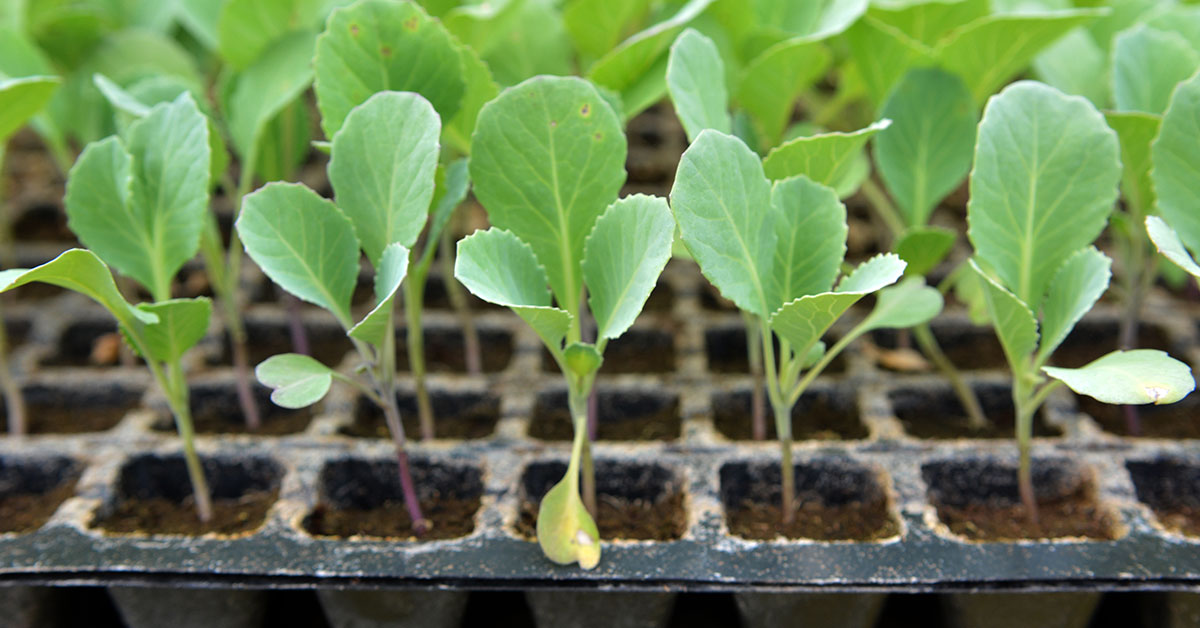

Welcome to our gardening guide! If you’re a resident of the beautiful state of Colorado and have a green thumb, you might be wondering about the best time to plant cabbage in this unique climate. In this article, we will delve into the optimal timing for planting cabbage in Colorado, considering factors such as frost dates, temperature fluctuations, and the cabbage’s growth requirements.
Whether you’re a seasoned gardener or a beginner looking to embark on your first cabbage-growing adventure, we’ve got you covered with all the information you need to ensure a successful cabbage harvest in the Centennial State. So, put on your gardening gloves and let’s get started!
Best varieties of cabbage to grow in Colorado
In Colorado, some good varieties of cabbage that thrive in the state’s climate and growing conditions include:
- Golden Acre: This variety is known for its early maturity, compact size, and round, solid heads. It can tolerate cooler temperatures and is resistant to cracking.
- Early Jersey Wakefield: This heirloom variety is a favorite among gardeners for its pointed, conical heads. It is quick to mature and has excellent flavor.
- Copenhagen Market: This variety produces medium-sized, round heads with a good flavor. It is known for its disease resistance and ability to tolerate colder temperatures.
- Red Express: If you prefer red cabbage, this variety is a great choice. It produces vibrant, deep red heads that are both tender and flavorful.
- January King: This variety is known for its unique appearance, with green outer leaves and red or purple inner leaves. It has a sweet and mild flavor and can tolerate cold temperatures.
When selecting cabbage varieties for Colorado, it is important to choose ones that have a shorter growing season and are more cold-tolerant. Also, consider starting your cabbage plants indoors and transplanting them outside once the risk of frost has passed.
When to plant Cabbage in Colorado
In Colorado, the climate can vary significantly depending on the region and the elevation. To determine the best time to plant cabbage, it is crucial to understand the state’s hardiness zones. The United States Department of Agriculture (USDA) has divided the country into several hardiness zones based on average minimum winter temperatures. These zones provide valuable information about which plants are likely to thrive in a particular area.
Colorado is characterized by diverse landscapes and varying elevations, resulting in a range of hardiness zones across the state. The zones typically found in Colorado include zones 2a to 7a, with zone 2a being the coldest and zone 7a being the mildest. Higher elevations, such as the Rocky Mountains, tend to have colder zones, while lower elevations and the eastern plains generally have warmer zones.
Cabbage is a cool-season vegetable that prefers cooler temperatures for optimal growth. It can tolerate a light frost, making it suitable for planting in early spring or late summer for a fall harvest. In Colorado, the best time to plant cabbage depends on your specific hardiness zone.
For gardeners in the colder zones (2a to 4b), it is advisable to start cabbage seeds indoors in late winter or early spring, around February or March. This allows the plants to grow and develop before the last frost date, which typically falls between mid-May and early June. Once the seedlings are well-established and the soil has warmed up, usually by mid to late spring, they can be transplanted into the garden.
In the milder zones (5a to 7a), where the last frost date is generally in mid to late April, cabbage can be directly sown into the garden around early April. However, starting seeds indoors a few weeks earlier can give the plants a head start. Transplant the seedlings outdoors when the risk of frost has passed and the soil has warmed up.
It is worth noting that cabbage prefers well-draining soil, ample sunlight, and consistent moisture. It is beneficial to amend the soil with organic matter before planting and to ensure the plants receive sufficient water throughout their growing period.
In conclusion, the best time to plant cabbage in Colorado varies depending on the hardiness zone. For colder zones (2a to 4b), starting seeds indoors in late winter or early spring is recommended. In milder zones (5a to 7a), direct sowing in early April or starting seeds indoors a few weeks earlier is suitable. By considering the hardiness zones and following the recommended planting times, gardeners can increase their chances of success when growing cabbage in Colorado.
When to harvest Cabbage in Colorado
The optimal time to harvest cabbage in Colorado is typically in the late summer or early fall, around 70-90 days after transplanting. This timing ensures that the cabbage heads have reached their full size and maturity. However, it is important to monitor the plants closely and harvest them when they are firm and solid, before they start to crack or split. Additionally, keep in mind that the exact harvest time can vary depending on the specific cabbage variety you are growing and the weather conditions in your area.
Other considerations
When growing cabbage in Colorado, there are a few additional considerations to keep in mind:
- Climate: Colorado’s climate can be challenging for cabbage as it experiences hot summers, cold winters, and unpredictable temperature fluctuations. It is crucial to select cabbage varieties that are suitable for the region’s short growing season and can withstand temperature extremes.
- Soil Preparation: Prepare your soil well in advance by adding organic matter such as compost or well-rotted manure. This helps improve soil fertility, drainage, and water retention. Cabbage prefers a slightly acidic soil with a pH level between 6.0 and 6.8.
- Watering: Cabbage requires consistent moisture, especially during the head formation stage. Colorado’s arid climate may necessitate regular watering, especially during dry spells. Using mulch around the plants helps retain soil moisture and reduce evaporation.
- Sunlight: Cabbage requires full sun, typically 6-8 hours per day. Ensure your garden receives enough sunlight to promote healthy growth and head formation.
- Pest and Disease Management: Colorado is home to various pests and diseases that can affect cabbage, such as aphids, cabbage loopers, and clubroot. Monitor your plants regularly and take appropriate measures to control these pests, such as using insecticidal soaps or organic pest control methods. Crop rotation and ensuring good air circulation can also help prevent disease issues.
- Timing: Timing is critical when growing cabbage in Colorado. Start seeds indoors or purchase transplants to get a head start before the last frost date. Transplant them into the garden when the soil has warmed up and frost is no longer a concern. Additionally, consider succession planting to extend your harvest throughout the growing season.
- Fertilization: Cabbage plants benefit from regular feeding. Apply a balanced fertilizer or compost tea every three to four weeks to provide essential nutrients for healthy growth and head development.
- Protecting from Temperature Extremes: Since Colorado experiences temperature fluctuations, it is essential to protect your cabbage plants from extreme heat or cold. Use shade cloth or row covers during hot spells to shield the plants from scorching sun and provide some relief. Similarly, use frost protection methods like row covers or blankets to safeguard the plants from unexpected late spring or early fall frosts.
By considering these factors and providing the necessary care, you can successfully grow cabbage in Colorado’s challenging climate.