
Welcome to the world of growing cabbage in California, where the year-round mild climate offers an abundance of opportunities to grow a wide variety of vegetables. If you’re considering planting cabbage in your garden, you’re in for a treat!
Cabbage, with its nutrient-rich leaves and versatility in the kitchen, is a popular choice among gardeners. However, to ensure a successful crop, it’s crucial to understand the best time to plant cabbage in California. In this article, we will delve into the ideal planting window, taking into account the region’s microclimates and specific growing conditions.
Whether you’re a seasoned gardener or a beginner, get ready to learn everything you need to know to achieve a bountiful cabbage harvest in the Golden State.
Best cabbage varieties for California gardens
There are several good varieties of cabbage that grow well in California’s climate. Here are some popular choices:
- Early Jersey Wakefield: This variety is known for its early maturity and cone-shaped heads. It is resistant to splitting and performs well in cooler climates.
- Copenhagen Market: This variety produces round, solid heads that are excellent for fresh use or sauerkraut. It is a good choice for both coastal and inland regions.
- Red Express: If you prefer red cabbage, this variety is a great option. It produces compact, deep purple heads that are flavorful and add a vibrant color to salads and coleslaw.
- Stonehead: This variety is ideal for those who want cabbages with smaller heads. It is a compact variety that matures early and is resistant to splitting.
- Savoy King: Savoy cabbages have crinkled leaves and a milder flavor. Savoy King is a popular variety that produces large, loose heads with excellent taste and texture.
When selecting cabbage varieties, it’s important to consider the specific microclimate of your garden and your personal preferences in taste and texture.
When to plant Cabbage in California
In California, the state’s hardiness zones can vary significantly due to the diverse geography and microclimates present throughout the region. The United States Department of Agriculture (USDA) has divided California into several zones ranging from 5 to 11, taking into account the average annual minimum temperatures experienced in each area.
The coastal regions of California, such as San Francisco and Los Angeles, generally fall within zones 10 and 11, which are considered to have mild winters with minimal frost. Inland areas, including Sacramento and Fresno, are typically classified as zones 8 and 9, experiencing colder temperatures during winter.
When it comes to planting cabbage, it is essential to consider both the local climate and the specific cabbage variety you intend to grow. Cabbage is a cool-season crop that thrives in moderate temperatures. It prefers to grow in the cooler months of spring or fall when the average daily temperature ranges between 60°F (15°C) and 70°F (21°C).
For coastal regions in California, where temperatures remain mild throughout the year, cabbage can be planted in early spring (March to April) or late summer (August to September). This allows the crop to mature before the heat of summer or before the colder winter temperatures set in.
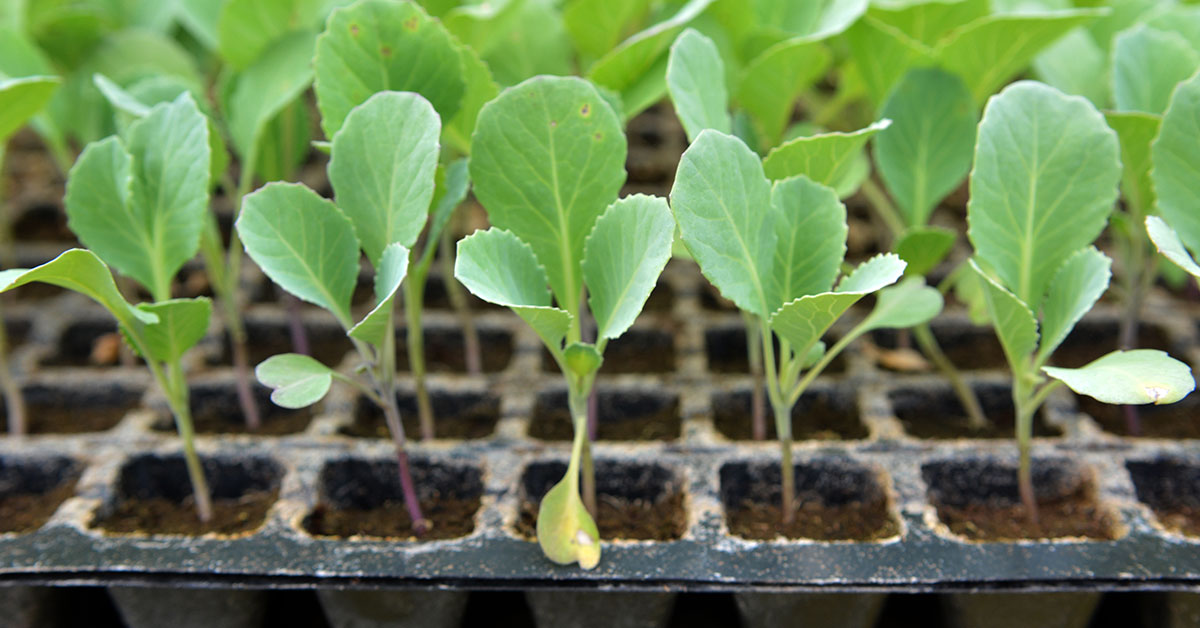
In inland areas with colder winters, it is best to start cabbage seeds indoors or in a greenhouse in late winter (January to February). Transplant the seedlings outdoors in early spring, once the threat of frost has passed. Alternatively, you can sow seeds directly in the garden during early spring or late summer.
Regardless of the specific region, cabbage requires fertile, well-draining soil enriched with organic matter. Adequate sunlight exposure, around 6-8 hours per day, is also crucial for optimal growth. Regular watering and proper spacing between plants are essential to prevent disease and encourage healthy cabbage development.
Remember to adjust your planting schedule according to the specific hardiness zone and local climate conditions in your area. Consulting with local gardening resources, such as county extension offices or experienced gardeners in your community, can provide valuable insights tailored to your specific location within California.
When to harvest Cabbage in California
The optimal time to harvest cabbage in California depends on the variety and the specific growing conditions in your area. Generally, cabbage is ready to harvest when the heads feel firm and are fully formed. This typically occurs around 70 to 90 days after transplanting, or 90 to 120 days after direct seeding.
In California, where the climate can vary greatly, cabbage can be harvested throughout the year. However, it’s important to consider the temperature and potential pests or diseases in your region. Cabbage prefers cool weather, so in areas with mild winters and cool summers, such as coastal regions, cabbage can be grown year-round. In hotter regions, it’s best to plant cabbage in early spring or late summer for a fall harvest when temperatures start to cool down.
To determine if your cabbage is ready for harvest, gently press on the heads to check for firmness. The leaves should be tightly packed and the head should feel solid. If the head is still loose or soft, it needs more time to mature. Additionally, if you notice any signs of yellowing or splitting, it’s best to harvest the cabbage to prevent further damage.
Remember to use a sharp knife or garden shears to cut the cabbage heads from the base of the plant, leaving a few outer leaves intact to help protect the inner leaves during storage. Enjoy your fresh and delicious cabbage!
Other considerations
When growing cabbage in California, there are several other considerations to keep in mind:
- Climate: California has a wide range of climates, from coastal regions to inland valleys and mountainous areas. It is important to choose cabbage varieties that are suitable for the specific microclimate of your location. Cabbage generally prefers cool temperatures and can tolerate mild frost, but extreme heat can cause bolting and poor quality heads.
- Soil: Cabbage requires well-drained soil with a pH between 6.0 and 7.5. Before planting, amend the soil with organic matter such as compost or well-rotted manure to improve fertility and drainage. Conduct a soil test to determine if any additional amendments, such as lime or sulfur, are needed to adjust the pH.
- Watering: Cabbage needs consistent moisture throughout its growing season. Regular, deep watering is essential, especially during dry spells. However, overwatering can lead to root rot and other diseases. Mulching around the plants can help retain moisture and regulate soil temperature.
- Pest and disease control: Cabbage is susceptible to various pests and diseases, including aphids, cabbage worms, slugs, and clubroot. Monitor your plants regularly and take appropriate action if any pests are detected. Use organic pest control methods whenever possible, such as introducing beneficial insects or using natural insecticidal soaps. Crop rotation is also important to prevent the buildup of soil-borne diseases.
- Fertilization: Cabbage is a heavy feeder and requires regular fertilization throughout its growing season. Apply a balanced fertilizer high in nitrogen at planting time and side-dress with additional fertilizer every few weeks. Follow the recommended application rates on the fertilizer package and avoid over-fertilizing, as it can lead to excessive leaf growth at the expense of head development.
- Timing: Cabbage can be planted as both a spring and fall crop in California, depending on your specific location. Consult a local planting guide or contact your county extension office for specific recommendations on the best planting dates for your area.
- Harvesting: Harvest cabbage heads when they are firm and compact. Cut the head from the stem, leaving a few outer leaves attached to protect the head during storage. Cabbage can be stored in a cool, dark place for several weeks.
By considering these factors, you can increase your chances of successfully growing cabbage in California. Happy gardening!