
If you’re a gardening enthusiast wanting to grow cabbage in Zone 9, you’re in luck! With its cool-season nature, cabbage thrives in the moderate Mediterranean-like climate of this zone. However, to ensure a successful crop, it is crucial to plant cabbage at the right time.
Timing is everything, and knowing the best window to sow cabbage seeds or transplant seedlings can make a significant difference in your harvest. In this article, we will explore the ideal time and conditions for planting cabbage in Zone 9, providing you with the knowledge and confidence to cultivate this nutritious and versatile vegetable in your garden.
Best varieties of cabbage to grow in zone 9 gardens
In zone 9, where the climate is generally warm and mild, some good varieties of cabbage that you can consider growing are:
- Early Jersey Wakefield: This variety is known for its early maturity and compact size. It produces conical-shaped heads with sweet and tender leaves.
- Copenhagen Market: It is a popular variety that forms medium-sized, round heads. It has a good resistance to bolting and is suitable for both spring and fall planting.
- Golden Acre: This variety produces small to medium-sized heads with tight, crisp leaves. It is an excellent choice for those looking for a compact cabbage variety.
- Red Express: If you prefer red cabbage, this variety is a great option. It forms medium-sized, deep red heads with a sweet and tangy flavor.
- Savoy Perfection: This variety is known for its crinkled and ruffled leaves, giving it a unique appearance. It produces medium to large heads with a mild and sweet flavor.
Remember to provide your cabbage plants with well-drained soil, consistent moisture, and adequate sunlight to ensure healthy growth.
When to plant Cabbage in zone 9
In the United States, the hardiness zone system is widely used to determine the suitability of plants for specific regions. Zone 9 is characterized by mild winters and hot summers, usually found in southern coastal regions and parts of the southwestern states. It is important to understand the hardiness zone of your area as it helps in selecting plants that can thrive in the local climate conditions.
Cabbage is a cool-season vegetable that generally prefers cooler temperatures for optimal growth. However, in zone 9, cabbage can still be grown successfully with a few considerations. The best time to plant cabbage in zone 9 is during the cooler months, typically in the late fall or early winter.
Planting cabbage in the fall allows it to establish roots and develop before the onset of hot temperatures. This gives the cabbage a better chance to mature and form heads before the heat of summer arrives. It is important to start cabbage seeds or transplant seedlings at the right time to ensure they have enough time to grow before the heat stress sets in.
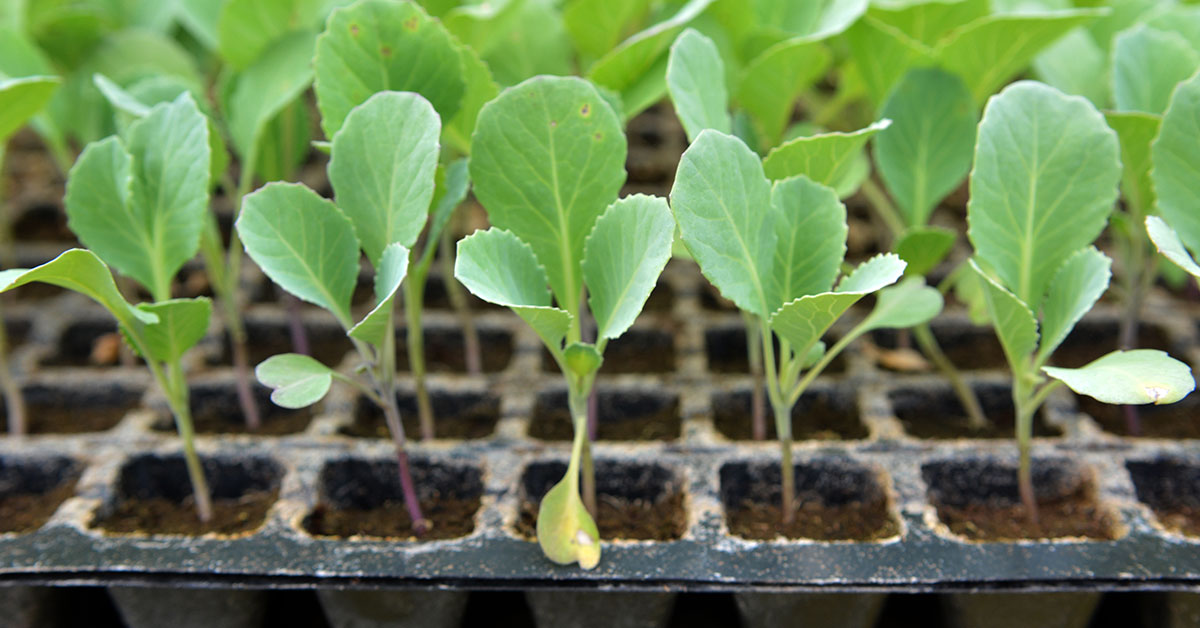
Ideally, start cabbage seeds indoors about 6-8 weeks before the last expected frost date in your area. Once the seedlings have developed a few true leaves, they can be transplanted outdoors. In zone 9, this usually means starting seeds indoors around mid to late summer, around July or August.
If you prefer to directly sow cabbage seeds in the garden, it is best to do so in early to mid-fall. Make sure to choose a location that receives full sun and has well-draining soil. Cabbage plants require consistent moisture, so regular watering is essential, especially during dry periods.
To protect cabbage plants from potential frost or cold snaps, consider using row covers or other protective measures. These can help extend the growing season and allow the cabbage to develop fully.
It is worth mentioning that cabbage varieties differ in their specific requirements and maturity dates. Therefore, it is always a good idea to consult the seed packet or the advice of a local nursery to determine the best variety for your zone 9 garden and the recommended planting times.
By following these guidelines and considering the unique climate conditions of zone 9, you can successfully grow cabbage and enjoy a bountiful harvest.
When to harvest Cabbage in zone 9
In zone 9, the optimal time to harvest cabbage is typically in the fall or winter months. Cabbage is a cool-season crop and prefers cooler temperatures for optimal growth. It is best to harvest cabbage when the heads are firm and have reached their desired size. This usually occurs around 70-90 days after transplanting or 90-120 days after sowing seeds, depending on the variety. Keep an eye on the cabbage heads and check for maturity by gently squeezing them. If they feel solid and firm, with the desired size, it’s time to harvest. Additionally, if you notice the outer leaves starting to yellow or split, it’s a good indication that the cabbage is ready to be harvested.
Other considerations
When growing cabbage in zone 9, there are a few important considerations to keep in mind:
- Timing: Cabbage is a cool-season crop, so it’s important to time your planting correctly. In zone 9, where temperatures can be quite warm, it’s best to start cabbage seeds indoors in late summer or early fall and transplant them into the garden once temperatures start to cool down.
- Sun exposure: Cabbage plants thrive in full sun, but in zone 9 where summers can be extremely hot, it’s beneficial to provide some afternoon shade to protect the plants from scorching. This can be achieved by planting them in a location that receives morning sun and afternoon shade, or by providing some shade cloth or other temporary shade structures.
- Soil preparation: Cabbage prefers well-draining soil that is rich in organic matter. Before planting, amend the soil with compost or well-rotted manure to improve its fertility and drainage. It’s also a good idea to perform a soil test to check the pH level, as cabbage prefers a slightly acidic soil with a pH between 6.0 and 6.8.
- Watering: Cabbage requires consistent moisture, especially during the hot and dry periods of zone 9. Water deeply and regularly, aiming to keep the soil consistently moist but not waterlogged. Mulching around the plants can help retain moisture and regulate soil temperature.
- Pest and disease management: Cabbage is susceptible to various pests and diseases such as cabbage worms, aphids, and clubroot. To manage these issues, practice good garden hygiene by removing any infected or infested plants immediately. Regularly inspect the plants for signs of pests and diseases, and use organic pest control methods such as handpicking, using insecticidal soaps, or applying neem oil if necessary.
- Crop rotation: To prevent the buildup of pests and diseases in the soil, it’s important to practice crop rotation. Avoid planting cabbage in the same location for consecutive years, and instead, rotate it with other crops from the brassica family (such as broccoli or kale) or unrelated plant families.
- Harvesting: Cabbage is typically ready for harvest when the heads feel firm and have reached their desired size. Cut the heads from the base of the plant using a sharp knife, leaving a few outer leaves intact to help protect the inner leaves.