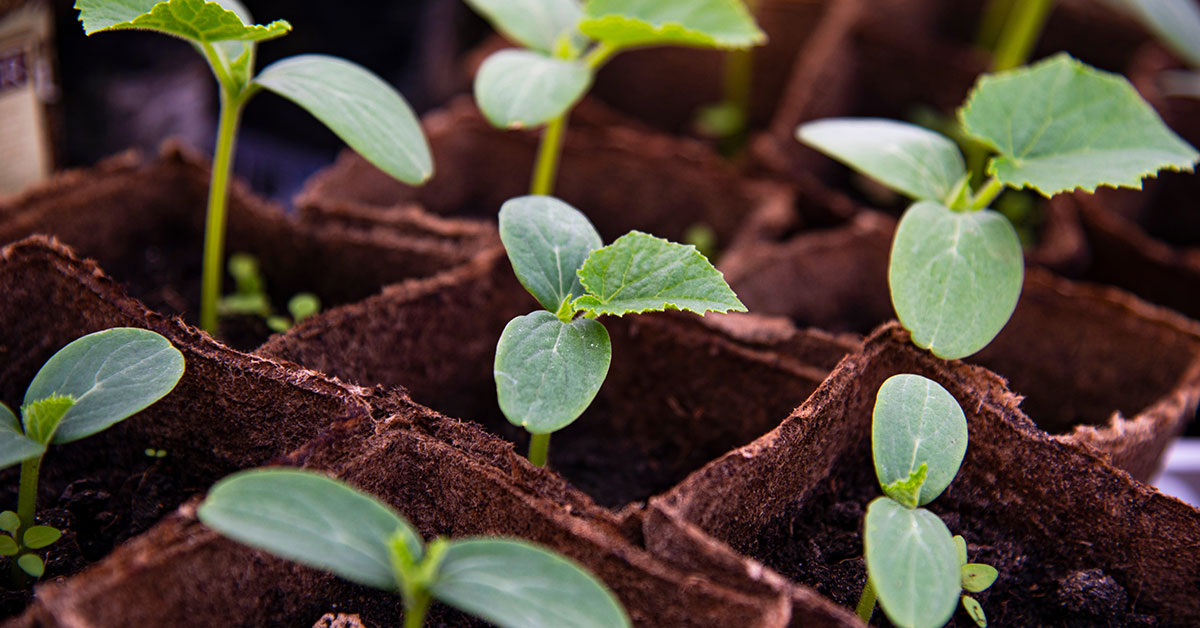

Knowing the best time to plant cucumbers in Oklahoma is crucial information to have as a gardener in this region. Cucumbers are a versatile and delicious addition to any garden, whether you plan to enjoy them fresh, pickle them for later, or use them in a variety of culinary creations.
By understanding the optimal planting window and considering the unique climate conditions in Oklahoma, you can ensure a successful cucumber harvest and enjoy the fruits of your labor all summer long.
Best varieties of Cucumbers for Oklahoma
In Oklahoma, you have a few cucumber varieties that do well in the climate and growing conditions. Here are some good options to consider:
- ‘Straight Eight’: This is a classic slicing cucumber variety that produces long, straight fruits with a crisp texture. It is known for its excellent flavor and high productivity.
- ‘Marketmore 76’: Another popular slicing cucumber, ‘Marketmore 76’ is disease-resistant and performs well in hot climates. It produces dark green, slightly ribbed cucumbers that are great for fresh eating or pickling.
- ‘Bush Champion’: If you have limited space or prefer growing cucumbers in containers, ‘Bush Champion’ is a compact bush variety that doesn’t require much space to grow. It produces a good yield of delicious, smooth-skinned cucumbers.
- ‘Lemon Cucumber’: If you’re looking for something a bit different, ‘Lemon Cucumber’ is a fun option. It produces round, yellow fruits that resemble lemons, with a mild and sweet flavor. They are great for snacking or adding to salads.
- ‘Picklebush’: As the name suggests, ‘Picklebush’ is an excellent pickling cucumber variety. It is compact and produces an abundance of small cucumbers that are perfect for making pickles.
Remember to consider your specific preferences and growing conditions when selecting cucumber varieties. It’s also a good idea to check with local nurseries or agricultural extension offices for more recommendations tailored to your area.
When to plant Cucumbers in Oklahoma
In Oklahoma, the hardiness zones vary from Zone 6a in the northern parts of the state to Zone 8b in the southern regions. These zones are classified based on the average minimum winter temperatures. Which helps gardeners determine which plants are most likely to thrive in their area.
When it comes to planting cucumbers in Oklahoma, it’s important to consider both the average last frost date in the spring and the first frost date in the fall. Cucumbers are warm-season crops that cannot tolerate frost. Wait until all danger of frost has passed before planting them outdoors.
For most parts of Oklahoma, the recommended time to plant cucumbers is from mid to late spring, typically around mid-May to early June. By this time, the soil has warmed up adequately, and the temperatures are consistently above 60°F (15°C) during the day. Planting too early can result in stunted growth or even death of the plants due to cold temperatures.
Before planting cucumbers, it is advisable to prepare the soil by loosening it and incorporating organic matter to improve drainage and fertility. Cucumbers prefer well-drained soil with a pH range between 6.0 and 7.0. It is also recommended to add compost or well-rotted manure to enhance the soil’s nutrient content.
When sowing cucumber seeds, space them about 6-12 inches apart in rows that are 3-4 feet apart. You can also consider planting them in raised beds or containers if you have limited space or poor soil conditions. Ensure that the seeds are sown at a depth of around 1 inch (2.5 cm) and water the soil thoroughly after planting.
Cucumbers thrive in warm temperatures, so it is essential to provide them with full sun exposure for at least 6-8 hours a day. Regular watering is crucial to keep the soil moist but not waterlogged. Mulching around the plants can help conserve moisture and suppress weed growth.
As the cucumbers grow, consider providing support for the vines by using trellises, cages, or stakes. This will help keep the fruits off the ground, promoting better airflow and reducing the risk of diseases.
In conclusion, the best time to plant cucumbers in Oklahoma is from mid to late spring, after the last frost date. By following proper planting techniques and providing the necessary care, you can enjoy a bountiful cucumber harvest throughout the summer months.
When to harvest Cucumbers in Oklahoma
In Oklahoma, cucumbers can be harvested when they reach maturity, which is typically around 50-60 days after planting. The optimal time to harvest cucumbers is when they are firm, have a vibrant color, and are about 6-8 inches in length. It’s important to regularly check your plants for mature cucumbers as they can quickly become overripe and lose their flavor and texture. Harvesting cucumbers early and often encourages more fruit production. As well as helps to prevent any bitterness that may develop in overripe cucumbers.
Other considerations for growing Cucumbers
When growing cucumbers in Oklahoma, there are several additional considerations to keep in mind:
- Heat and Sunlight: Cucumbers thrive in warm weather, so make sure they receive at least 6-8 hours of direct sunlight every day. However, in Oklahoma’s scorching summers, excessive heat can stress the plants. Providing some afternoon shade or using shade cloth can help protect them from intense heat.
- Watering: Proper watering is crucial for cucumber plants. In Oklahoma’s hot and dry climate, they may require frequent watering to prevent wilting and maintain consistent moisture in the soil. Avoid overwatering, as it can lead to root rot. It’s best to water deeply, ensuring the soil is moist about 1-2 inches below the surface.
- Soil Preparation: Cucumbers prefer well-draining soil with a pH level between 6.0 and 7.0. Before planting, amend the soil with organic matter like compost or well-rotted manure to improve its fertility, drainage, and moisture retention capabilities.
- Mulching: Applying a layer of organic mulch around cucumber plants helps conserve moisture, suppress weed growth, and regulate soil temperature. Mulching also prevents the soil from drying out too quickly in Oklahoma’s hot climate.
- Pest and Disease Control: Cucumbers are susceptible to various pests and diseases. This includes cucumber beetles, aphids, powdery mildew, and bacterial wilt. To prevent infestations, regularly inspect your plants and remove any affected leaves or insects. Consider using insecticidal soaps or organic pest control methods if necessary.
- Trellising or Support: Cucumbers are climbing plants that benefit from vertical support. Using trellises, stakes, or cages helps keep the vines off the ground, improves air circulation, and prevents diseases. It also makes it easier to harvest the cucumbers and saves garden space.
- Proper Harvesting: Harvest cucumbers when they reach the desired size but are still firm and have a vibrant color. Leaving overripe cucumbers on the vines can reduce the plant’s productivity. Regularly picking cucumbers also encourages the plant to produce more.
- Successive Planting: In Oklahoma’s long growing season, consider planting cucumbers in successive batches to extend the harvest. Planting new seeds or transplants every few weeks ensures a continuous supply of fresh cucumbers throughout the season.
Remember to consult your local agricultural extension office or experienced gardeners in your area for specific advice tailored to your region’s climate and conditions.