
Are you a gardening enthusiast in zone 7, eager to grow your own fresh and delicious cabbage? Look no further, as we are here to guide you on the best time to plant cabbage in zone 7. Zone 7, which encompasses a variety of states including parts of the southern United States, offers unique growing conditions that require careful consideration.
By understanding the climate, temperature patterns, and frost dates of zone 7, you can strategically plan when to sow your cabbage seeds or transplant your seedlings to ensure a bountiful harvest. In this article, we will explore the optimal planting times for cabbage in zone 7, as well as provide valuable tips and insights to help you achieve gardening success. Get ready to dig in and discover the secrets of growing magnificent cabbage in zone 7!
Best cabbage varieties for zone 7 gardens
In zone 7, there are several good varieties of cabbage that you can grow. Here are a few recommendations:
- ‘Early Jersey Wakefield’: This is a classic heirloom cabbage variety that matures early and produces small to medium-sized heads. It is known for its excellent flavor and crisp texture.
- ‘Golden Acre’: This variety is a compact cabbage that matures quickly and produces round, solid heads. It has a sweet and mild flavor, making it a popular choice for salads and coleslaw.
- ‘Red Express’: If you’re looking for a colorful option, ‘Red Express’ is a great choice. It produces small to medium-sized heads with deep red-purple leaves. The flavor is slightly sweeter than green cabbage varieties.
- ‘January King’: This is a winter cabbage variety that can withstand colder temperatures. It produces large, loose heads with crinkled, blue-green leaves. It has a robust flavor and is often used for sauerkraut and other fermented foods.
- ‘Brunswick’: This variety is known for its large, solid heads and excellent disease resistance. It has a mild flavor and is versatile in the kitchen, suitable for both raw and cooked dishes.
Remember to check the specific growing requirements for each variety and adjust your planting and care accordingly to ensure a successful harvest.
When to plant Cabbage in zone 7
In gardening, hardiness zones are a crucial reference for determining the suitability of various plants in different regions. The United States Department of Agriculture (USDA) developed a map that divides the country into different zones based on average annual minimum temperatures. Zone 7 encompasses areas with a minimum temperature range of 0 to 10 degrees Fahrenheit (-17.8 to -12.2 degrees Celsius), making it suitable for a wide selection of plants, including cabbage.
Cabbage is a cool-season crop that thrives in moderate temperatures, typically preferring temperatures between 60 and 70 degrees Fahrenheit (15.6 and 21.1 degrees Celsius). To achieve optimal growth, it is important to plant cabbage during the right time of year in zone 7.
The best time to plant cabbage in zone 7 is during the early spring or late summer/early fall. This allows the cabbage to establish its roots and grow in the milder temperatures of these seasons. Planting cabbage during the hottest part of summer can result in bolting (flowering prematurely) and reduced crop quality.
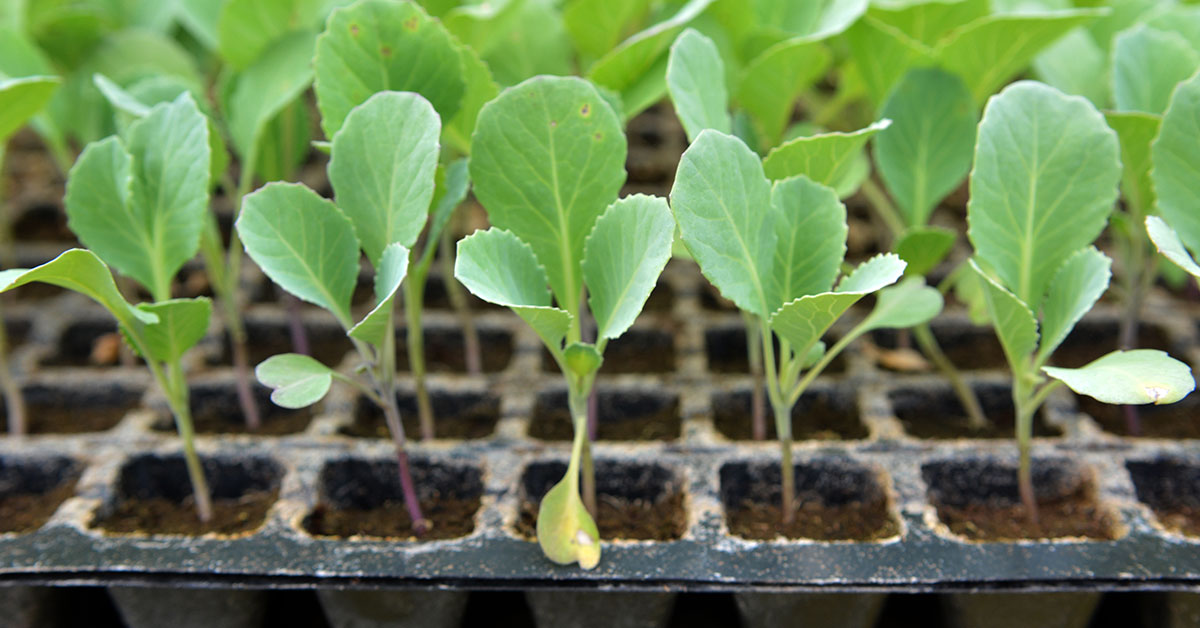
For spring planting, it is ideal to sow cabbage seeds indoors 6 to 8 weeks before the last expected frost date in your area. Once the seedlings have developed a few sets of true leaves and the threat of frost has passed, typically around mid-spring, they can be transplanted outdoors. This timing ensures that the cabbage will mature before the heat of summer.
If you prefer a fall crop of cabbage, start your seeds indoors around mid-summer, approximately 12 to 14 weeks before the first expected fall frost date. Transplant the seedlings outside once they are hearty enough and the temperatures have cooled down. This allows the cabbage to grow in the cooler temperatures of early fall, leading to a better harvest.
It is important to note that cabbage requires well-draining soil enriched with organic matter and regular watering to ensure healthy growth. Additionally, providing the plants with adequate spacing, usually around 12 to 18 inches apart, allows proper air circulation and prevents overcrowding.
By following these guidelines and considering your specific zone 7 climate, you can successfully grow cabbage and enjoy its crisp and nutritious harvest.
When to harvest Cabbage in zone 7
In zone 7, the optimal time to harvest cabbage is typically in late spring or early summer, around 70 to 90 days after transplanting or 90 to 120 days after sowing seeds. The exact timing can vary depending on the specific variety of cabbage you are growing and the weather conditions in your area. It is important to monitor the growth of the cabbage heads and harvest them when they are firm, solid, and fully formed. Waiting too long to harvest can result in the cabbage becoming over-mature and developing a strong, bitter flavor.
Other considerations
When growing cabbage in zone 7, there are a few additional considerations to keep in mind:
- Timing: Cabbage is a cool-season crop that prefers moderate temperatures. In zone 7, you can start sowing cabbage seeds indoors around 6-8 weeks before the last spring frost date. Transplant the seedlings outdoors when the soil has warmed up and there is no longer a risk of frost.
- Sunlight: Cabbage plants require full sun to thrive. Choose a location in your garden that receives at least 6-8 hours of direct sunlight daily.
- Soil: Cabbage prefers well-draining soil with a pH level between 6.0 and 7.5. Amend the soil with organic matter, such as compost or aged manure, to improve drainage and provide essential nutrients.
- Watering: Cabbage needs consistent moisture to grow properly. Water regularly, keeping the soil evenly moist but not waterlogged. Mulching around the plants can help retain moisture and reduce weed growth.
- Fertilization: Cabbage is a heavy feeder and requires regular fertilization. Prior to planting, incorporate a balanced fertilizer into the soil. Additionally, side-dress the plants with nitrogen-rich fertilizer every 3-4 weeks throughout the growing season.
- Pest and disease control: Cabbage is susceptible to various pests, including cabbage worms, aphids, and cabbage loopers. Monitor your plants regularly and take appropriate measures to control these pests, such as using organic insecticides or introducing beneficial insects like ladybugs. Also, be aware of common cabbage diseases like clubroot and black rot, and practice crop rotation to minimize the risk of infection.
- Harvesting: Cabbage is typically ready for harvest 70-90 days after transplanting. Harvest the heads when they are firm and compact, cutting them off at the base with a sharp knife. Remove any outer leaves that are damaged or discolored before storage.
By considering these factors, you can successfully grow cabbage in zone 7 and enjoy a bountiful harvest.