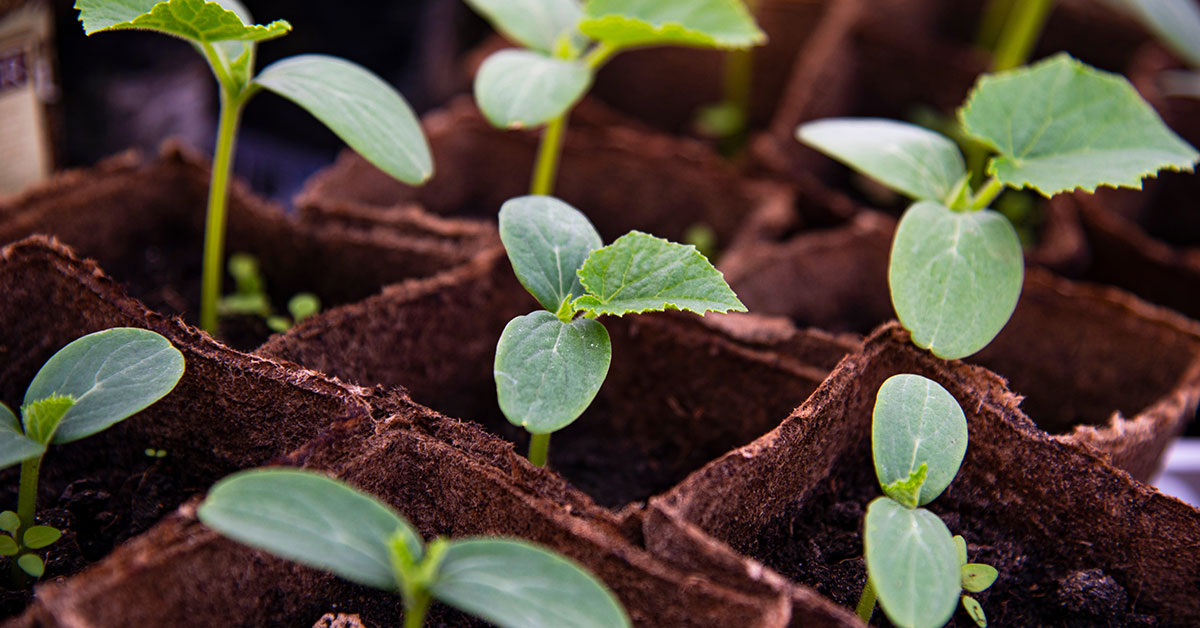

Understanding the importance of timing when it comes to growing cucumbers in North Carolina is crucial for your garden. North Carolina’s climate offers a variety of growing conditions, ranging from cooler mountains to warmer coastal areas.
In this article, we will explore the optimal planting time for cucumbers in North Carolina, taking into consideration factors such as the state’s USDA hardiness zones, average last frost date, and the specific needs of cucumber plants.
What are good varieties for Cucumbers in North Carolina
In North Carolina, there are several cucumber varieties that thrive in the warm climate. Here are some good options:
- Marketmore 76: This variety is known for its disease resistance and high yield. It produces dark green, straight cucumbers that are perfect for slicing.
- Straight Eight: Straight Eight is a popular heirloom variety that produces uniform, straight cucumbers with a crisp texture and mild flavor.
- Lemon cucumber: Lemon cucumbers are small, round, and yellow in color, resembling a lemon. They have a mild, sweet flavor and are great for salads or pickling.
- Diva: Diva cucumbers are disease-resistant and produce smooth, thin-skinned cucumbers. They have a crisp texture and excellent flavor, making them great for eating fresh or pickling.
- Carolina: This variety is specifically bred for North Carolina’s climate. Carolina cucumbers are disease-resistant and produce an abundance of dark green cucumbers perfect for slicing or pickling.
Remember to consider your specific growing conditions, such as sunlight, soil type, and available space, before selecting cucumber varieties for your garden.
When to plant Cucumbers in North Carolina
In North Carolina, the state’s hardiness zones range from Zone 6 in the western mountains to Zone 8 in the coastal plain and southern regions. These zones are based on the average annual minimum winter temperatures and help gardeners determine which plants are most likely to thrive in their area.
For cucumber planting in North Carolina, it is important to consider the specific zone you are in as well as the average last frost date. Cucumbers are warm-season vegetables that thrive in temperatures between 70°F and 95°F (21°C to 35°C). It is essential to wait until the danger of frost has passed before planting them.
In the western mountains (Zone 6), the average last frost date typically falls around mid-April to early May. Therefore, the best time to plant cucumbers in this region is between late April and early May. However, it’s always a good idea to monitor the weather and soil temperatures before planting to ensure optimal conditions.
Moving towards the central part of the state (Zone 7), the average last frost date is usually around mid-April. Thus, you can start planting cucumbers from late April to early May in this region as well.
In the coastal plain and southern regions (Zone 8), the average last frost date is usually in early to mid-April. As a result, you can begin planting cucumbers in late March or early April in these areas.
Remember that cucumbers require warm soil to germinate and thrive. The soil temperature should be at least 60°F (15°C) for successful germination. To ensure this, you can use a soil thermometer to monitor the temperature. You can also wait until the air temperature consistently reaches the appropriate range before planting.
It is also worth noting that cucumbers prefer well-draining soil with a pH level between 6.0 and 7.0. Providing them with adequate sunlight, regular watering, and proper trellising or support will help them grow healthy and productive throughout the season.
By considering the hardiness zones and average last frost dates in North Carolina, you can determine the best time to plant cucumbers in your specific region. Happy gardening!
When to harvest Cucumbers in North Carolina
The optimal time to harvest cucumbers in North Carolina is typically when they reach a length of 6-8 inches and have a firm texture. This usually occurs about 50-60 days after planting, depending on the specific variety you are growing. It’s important to regularly check your cucumber plants for mature fruits as they can quickly become overripe if left on the vine for too long. Harvesting cucumbers regularly also encourages the plant to produce more fruit.
Other considerations for growing Cucumbers
When growing cucumbers in North Carolina, there are a few other considerations to keep in mind:
- Soil: Cucumbers prefer well-draining soil with a pH level between 6.0 and 7.0. It’s recommended to amend the soil with organic matter like compost or aged manure to improve its fertility and moisture-holding capacity.
- Sunlight: Cucumbers need at least 6-8 hours of direct sunlight daily. Ensure that the planting location allows for maximum exposure to sunlight.
- Watering: Cucumbers require consistent watering to keep the soil evenly moist. Avoid overwatering to prevent root rot, but also ensure that the plants don’t dry out. Consider using soaker hoses or drip irrigation systems to provide a steady water supply to the plants.
- Trellising: While not necessary, trellising cucumbers can be beneficial in North Carolina’s hot and humid climate. It helps improve air circulation, reduces disease pressure, and keeps the fruits off the ground, preventing rotting. Trellising also saves space in the garden.
- Pest and disease management: Cucumbers are susceptible to various pests and diseases such as cucumber beetles, powdery mildew, and downy mildew. Regularly inspect the plants for signs of damage or disease and take appropriate measures, such as using insecticidal soap or organic fungicides if necessary.
- Planting time: In North Carolina, cucumbers can be planted both in spring and fall. For spring planting, wait until the soil has warmed up to at least 60°F (15°C) before sowing seeds or transplanting seedlings. For fall planting, consider starting seeds indoors in late summer and transplanting them outdoors around 4-6 weeks before the first expected frost.
- Succession planting: To extend the cucumber harvest, consider staggering the planting by sowing seeds or transplanting seedlings every 2-3 weeks. This ensures a continuous supply of fresh cucumbers throughout the growing season.
- Pollination: Cucumbers rely on pollinators like bees for successful fruit set. To attract pollinators to your garden, plant flowers that provide nectar and pollen nearby, such as marigolds or zinnias.
By considering these factors, you can increase your chances of a successful cucumber harvest in North Carolina.