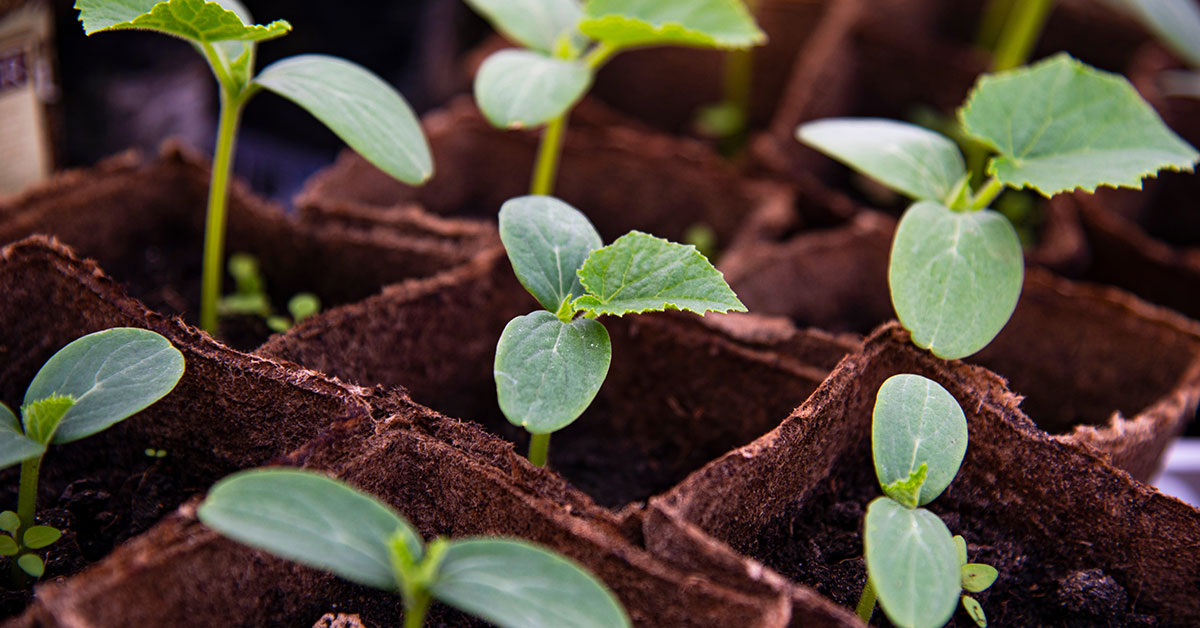

With its unique climate and diverse landscapes, growing cucumbers in New Mexico presents both opportunities and challenges when it comes to gardening.
By understanding the local climate patterns and considering the specific needs of cucumbers, you can maximize your chances of a successful cucumber harvest.
What are good varieties for Cucumbers in New Mexico?
In New Mexico, cucumbers that perform well in the region’s hot and dry climate are recommended. Here are some good cucumber varieties for growing in New Mexico:
- Salt and Pepper: This is a small and compact variety that produces crisp and flavorful cucumbers. It is well-suited for growing in hot and arid conditions.
- Marketmore 76: A popular variety that is known for its disease resistance and productivity. Marketmore 76 cucumbers are dark green and have a deliciously crisp texture.
- Lemon Cucumber: This unique cucumber variety produces small, round, and yellow fruits that resemble lemons. They have a mild and sweet flavor, making them great for salads and pickling.
- Diva: Diva cucumbers are known for their excellent disease resistance and high yield. They have a thin, tender skin and a crunchy texture, making them perfect for fresh eating.
- Armenian Cucumber: Also known as “Snake Melon,” Armenian cucumbers have a long and slender shape. They are heat-tolerant and have a mild, refreshing flavor. They can be eaten fresh or used in salads.
Remember to provide your cucumber plants with sufficient water and shade during the hottest parts of the day to ensure successful growth in New Mexico’s climate.
When to plant Cucumbers in New Mexico
New Mexico is known for its diverse climate, ranging from arid desert conditions to high mountain regions. To determine the best time to plant cucumbers in the state, it’s important to understand the hardiness zones. Hardiness zones provide valuable information about the average minimum winter temperatures in a particular area.
In general, New Mexico is classified into USDA hardiness zones 4 to 9. The northern part of the state, including cities such as Santa Fe and Taos, falls within zones 5 and 6, where the average minimum winter temperatures range from -20°F to -10°F (-28°C to -23°C). The southern parts, including Albuquerque and Las Cruces, fall within zones 7 to 9, with average minimum winter temperatures ranging from 0°F to 20°F (-18°C to -7°C).
Considering the hardiness zones, the best time to plant cucumbers in New Mexico varies depending on the specific location within the state. However, cucumbers are warm-season vegetables that require warm soil and air temperatures to thrive. Therefore, it is generally recommended to wait until the danger of frost has passed before planting cucumbers.
For northern regions in zones 5 and 6, the average last frost date typically falls between mid-May to early June. It’s advisable to wait until after this period to ensure the soil has warmed up enough for successful cucumber growth. Starting cucumber seeds indoors or using transplants is also a good option to get a head start on the growing season.
In the southern regions of zones 7 to 9, the average last frost date usually occurs between late March and early April. With milder winters, gardeners in these areas can start planting cucumbers earlier than their northern counterparts. Planting cucumbers in early to mid-April is generally recommended, as it allows for optimal growth during the warm months.
Regardless of the specific region within New Mexico, cucumbers prefer well-drained and fertile soil. It’s beneficial to prepare the soil by adding organic matter, such as compost, to improve its quality and water-holding capacity. Additionally, providing support for vining cucumber varieties, like trellises or cages, can help maximize space and encourage healthier plants.
Remember to consider local weather patterns, individual microclimates, and specific cultivar requirements when determining the best time to plant cucumbers in your garden. Maintaining consistent soil moisture and providing adequate sunlight are also crucial for successful cucumber cultivation. Happy gardening!
When to harvest Cucumbers in New Mexico
In New Mexico, the optimal time to harvest cucumbers is typically in the summer months, from late June to early September. It is important to keep an eye on the specific variety you are growing, as different types of cucumbers may have slightly different maturity times. However, as a general guideline, cucumbers are ready for harvest when they reach a length of about 6-8 inches, have a firm texture, and have a vibrant green color. It is best to harvest cucumbers early in the morning when they are still cool. As this helps maintain their crispness and flavor.
Other considerations for growing Cucumbers
When growing cucumbers in New Mexico, there are a few additional considerations to keep in mind:
- Soil: Cucumbers prefer well-draining soil with a pH range of 6.0 to 7.0. In New Mexico, the soil tends to be alkaline, so it is important to amend the soil with organic matter, such as compost or well-rotted manure, to improve fertility and drainage.
- Watering: Cucumbers require consistent moisture, especially during hot and dry periods. In New Mexico’s arid climate, it is crucial to provide regular watering to keep the soil consistently moist, but not waterlogged. Drip irrigation or soaker hoses are recommended to minimize water loss through evaporation.
- Sunlight: Cucumbers are sun-loving plants and require at least 6-8 hours of direct sunlight per day. Ensure that your cucumber plants are placed in a location that receives ample sunlight throughout the day.
- Heat protection: New Mexico experiences high temperatures during the summer months, which can stress cucumber plants. Consider providing shade cloth or using row covers during extreme heat to protect the plants from excessive sun exposure and to maintain cooler soil temperatures.
- Pest management: Cucumbers can be susceptible to various pests, such as aphids, cucumber beetles, and spider mites. Regularly inspect your plants for signs of infestation and take appropriate measures to control pests. Such as using organic insecticides or practicing companion planting with pest-repelling plants like marigolds or nasturtiums.
- Disease prevention: Cucumber plants can be prone to diseases like powdery mildew, downy mildew, and bacterial wilt. To prevent these diseases, avoid overhead watering, provide adequate air circulation by spacing plants properly, and remove any infected plant material promptly. Applying organic fungicides or using disease-resistant cucumber varieties can also help prevent disease outbreaks.
- Trellising: Consider trellising your cucumber plants to save space and improve air circulation. Trellising can also help keep the fruits off the ground, reducing the risk of rot and pest damage.
- Harvesting: Regularly harvest cucumbers when they reach the desired size and color. Leaving overripe or rotting cucumbers on the plant can attract pests and diseases. Harvesting regularly also encourages the plant to produce more cucumbers.
By considering these factors, you can improve your chances of successfully growing cucumbers in New Mexico’s unique climate.