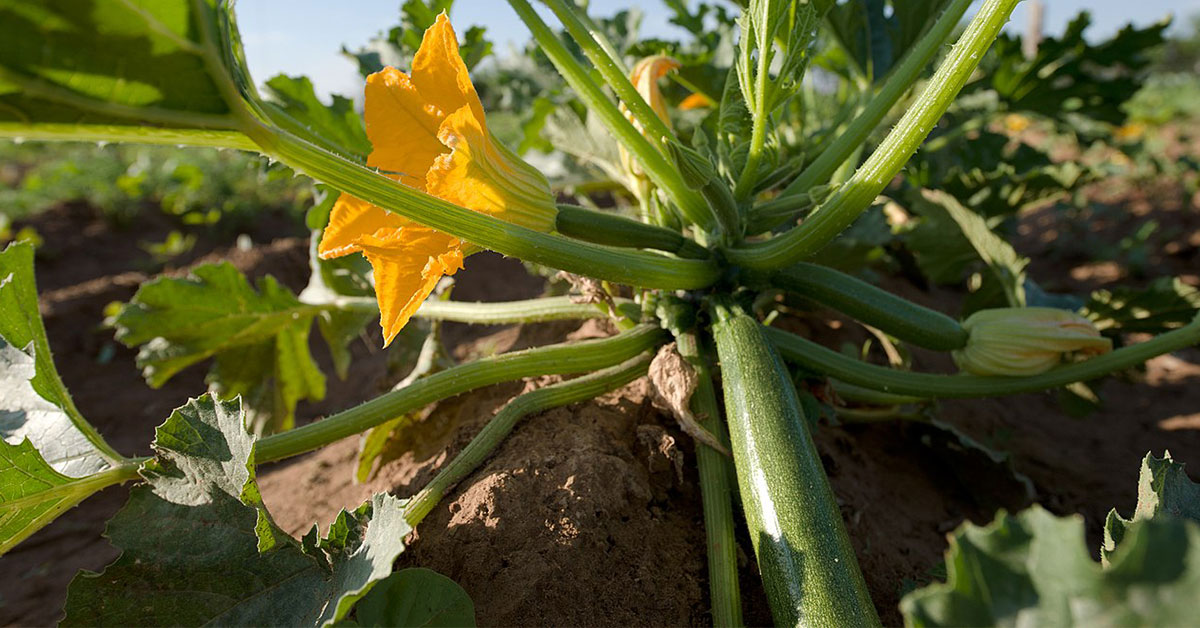

Are you an aspiring gardener eager to grow your own zucchini in the UK? Look no further, as we delve into the world of zucchini cultivation and explore the best time to plant this versatile and delicious vegetable. Whether you have a spacious garden or a small balcony, knowing when to sow your zucchini seeds is crucial for a successful harvest.
With its vibrant green color, tender texture, and abundant yields, zucchini has become a popular choice among home gardeners across the UK. So, if you’re ready to embark on a zucchini-growing adventure, let’s discover the optimal time to get those seeds in the ground and set yourself up for a bountiful harvest.
Best zucchini varieties to grow in the UK
There are several good varieties of zucchini (courgette) that grow well in the UK. Here are a few popular choices:
- Black Beauty: This is a classic zucchini variety with dark green skin. It produces high yields of tender, flavorful zucchinis and is known for its disease resistance.
- Defender: This variety is known for its vigorous growth and excellent disease resistance. It produces dark green zucchinis with a firm texture and a mild, nutty flavor.
- Ambassador: Ambassador is a versatile zucchini variety that can be harvested at various sizes. It has a smooth, glossy skin and a delicate flavor. It is also resistant to powdery mildew.
- Romanesco: This variety is known for its unique, pale green color and ribbed appearance. It has a slightly nutty flavor and a firm texture. Romanesco zucchinis are great for grilling or stuffing.
- Yellowfin: If you prefer yellow zucchinis, Yellowfin is a great choice. It produces bright yellow fruits with a sweet, buttery flavor. It is also resistant to diseases like powdery mildew.
Remember to consider your growing conditions and personal preferences when choosing a zucchini variety. Happy gardening!
When to plant Zucchini in the UK
In the United Kingdom, the hardiness zones vary across the country. The Royal Horticultural Society (RHS) has classified the UK into four primary hardiness zones: H1, H2, H3, and H4. These zones are based on the average winter temperatures and help gardeners determine which plants can thrive in their specific region.
In general, the southern parts of the UK fall under the H3 zone, which experiences milder winters and warmer temperatures throughout the year. Moving further north, the zones transition to H4, where colder winters are expected.
When it comes to planting zucchini (also known as courgette), it is crucial to consider the hardiness zones, as they directly impact the timing. Zucchini is a warm-season vegetable that requires a frost-free growing period to thrive.
In the H3 zone, which covers regions like London and the southern coastal areas of England, the best time to plant zucchini is typically in late spring, around mid-May. By this time, the soil has warmed up, and the risk of frost has significantly diminished. This allows the zucchini plants to establish themselves in favorable growing conditions.
For the H4 zone, which includes areas like Scotland and the higher elevations of Northern England, it is advisable to wait until early summer to plant zucchini. This delay is necessary to ensure that the soil temperature has warmed up adequately for optimal growth.
Regardless of the hardiness zone, it is always advisable to keep an eye on the weather forecast and soil temperature before planting zucchini. If there is a late cold snap or frost warning, it is better to wait until the conditions improve to avoid any damage to the plants.
In summary, the best time to plant zucchini in the UK varies depending on the hardiness zone. In the H3 zone (southern parts of the UK), mid-May is generally ideal, while in the H4 zone (northern regions), it is recommended to wait until early summer.
When to harvest Zucchini in the UK
The optimal time to harvest zucchini in the UK is typically when the fruits are around 15-20 centimeters (6-8 inches) long. At this stage, the zucchini is still tender and flavorful. It is important to harvest zucchini regularly to encourage continuous production. Leaving them on the plant for too long can result in oversized fruits with tough skins and seeds. Harvesting zucchini when they are young and small also helps to maintain the plant’s productivity throughout the growing season.
Other considerations
When growing zucchini (courgette) in the UK, there are several considerations to keep in mind:
- Climate: Zucchini plants prefer warm temperatures, so it is essential to choose a sunny and sheltered spot in your garden. In the UK, it is advisable to start zucchini plants indoors in pots or trays before transplanting them outside once the risk of frost has passed.
- Soil: Zucchini plants thrive in well-draining soil with plenty of organic matter. Before planting, enrich the soil with compost or well-rotted manure to improve fertility and moisture retention.
- Planting: Sow zucchini seeds in small pots or trays indoors from late March to early April. Once the seedlings have developed a few true leaves, they can be transplanted outdoors. Alternatively, you can sow seeds directly in the ground from late April to May, depending on the weather conditions.
- Spacing: Zucchini plants require ample space for their spreading growth habit. Plant them at least 90-120 cm (3-4 feet) apart to allow for good air circulation and prevent overcrowding.
- Watering: Regular watering is crucial for zucchini plants, especially during dry spells. Aim to keep the soil consistently moist, but avoid overwatering, as this can lead to root rot. Water at the base of the plant to prevent wetting the foliage, which can encourage disease development.
- Mulching: Apply a layer of organic mulch, such as straw or wood chips, around the base of zucchini plants. Mulching helps retain soil moisture, suppresses weed growth, and regulates soil temperature.
- Feeding: Zucchini plants are heavy feeders and benefit from regular fertilization. Apply a balanced organic fertilizer or compost tea every 2-3 weeks throughout the growing season to provide essential nutrients.
- Pests and Diseases: Keep an eye out for common pests like aphids, slugs, and snails, which can damage zucchini plants. Regularly inspect the leaves and stems for signs of diseases such as powdery mildew or bacterial wilt. Promptly address any pest or disease issues with appropriate organic controls.
- Harvesting: Zucchini is best harvested when the fruits are around 15-20 cm (6-8 inches) long for optimal flavor and tenderness. Regularly check the plants and harvest the zucchini promptly to encourage continued production.
By considering these factors, you can increase your chances of successfully growing zucchini in the UK and enjoy a bountiful harvest.