
Welcome to the world of gardening! If you’re a fan of deliciously sweet corn and have decided to give it a try in your UK garden, you’ve come to the right place. Planting sweet corn can be a rewarding and enjoyable experience, but timing is crucial to ensure a bountiful harvest. In this article, we will guide you through the best time to plant sweet corn in the UK, taking into consideration the country’s unique climate and growing conditions.
From understanding the importance of soil temperature and frost dates to exploring different corn varieties suitable for the UK’s growing season, we will equip you with the knowledge and confidence to successfully grow this summer staple in your own backyard. So, put on your gardening gloves and let’s dive into the fascinating world of sweet corn cultivation!
Best sweet corn varieties to grow in the UK
There are several good varieties of sweet corn that grow well in the UK. Here are a few popular options:
- ‘Lark’ – This variety produces sweet, tender kernels and is known for its early maturity. It can be harvested from late July to early September.
- ‘Swift’ – Another early-maturing variety, ‘Swift’ produces deliciously sweet and succulent cobs. It is known for its reliable performance and can be harvested from late July onwards.
- ‘Incredible’ – As the name suggests, ‘Incredible’ is known for its incredible taste and sweetness. It has a good disease resistance and produces large cobs. It can be harvested from late August to early October.
- ‘Sweet Nugget’ – This variety is a favorite among many gardeners for its excellent flavor and tenderness. It has good disease resistance and can be harvested from late August onwards.
- ‘Mirai’ – ‘Mirai’ is a newer variety that has gained popularity for its exceptional taste and sweetness. It produces medium-sized cobs and can be harvested from late August to early October.
Remember to check the specific growing requirements of each variety, such as soil type, spacing, and sun exposure, to ensure successful cultivation.
When to plant sweet corn in the UK
In the UK, the hardiness zones are primarily determined by the country’s mild maritime climate. While hardiness zones are more commonly used in North America, they can still provide some guidance for gardeners in the UK. The UK generally falls within USDA hardiness zones 8 and 9, which means that the average minimum winter temperatures range from 10°F (-12°C) to 30°F (-1°C) in zone 8, and from 30°F (-1°C) to 20°F (-6°C) in zone 9.
When it comes to planting sweet corn in the UK, it’s important to consider the country’s relatively short growing season and cool summers. Sweet corn is a warm-season crop that requires a frost-free period of approximately 60-100 days to reach maturity, depending on the variety. Therefore, it’s crucial to choose a variety that is suitable for the UK’s climate and can mature within the available time frame.
The best time to plant sweet corn in the UK is typically between mid to late spring, when the soil has warmed up and the risk of frost has passed. This usually falls around mid-April to early May, but it can vary slightly depending on your specific location and local weather conditions.
Before planting, ensure that the soil has reached a temperature of around 50°F (10°C) or higher, as sweet corn requires warm soil for successful germination. You can use a soil thermometer to check the temperature. Additionally, make sure the soil is well-drained, rich in organic matter, and has a pH level between 5.8 and 7.0, which is optimal for sweet corn growth.
When planting sweet corn, sow the seeds directly into the prepared soil. Plant them about 1-2 inches (2.5-5 cm) deep and space them around 12-18 inches (30-45 cm) apart, allowing for proper air circulation and growth. Sweet corn is wind-pollinated, so it’s best to sow the seeds in blocks or multiple short rows rather than single long rows. This facilitates better pollination and ensures good kernel development.
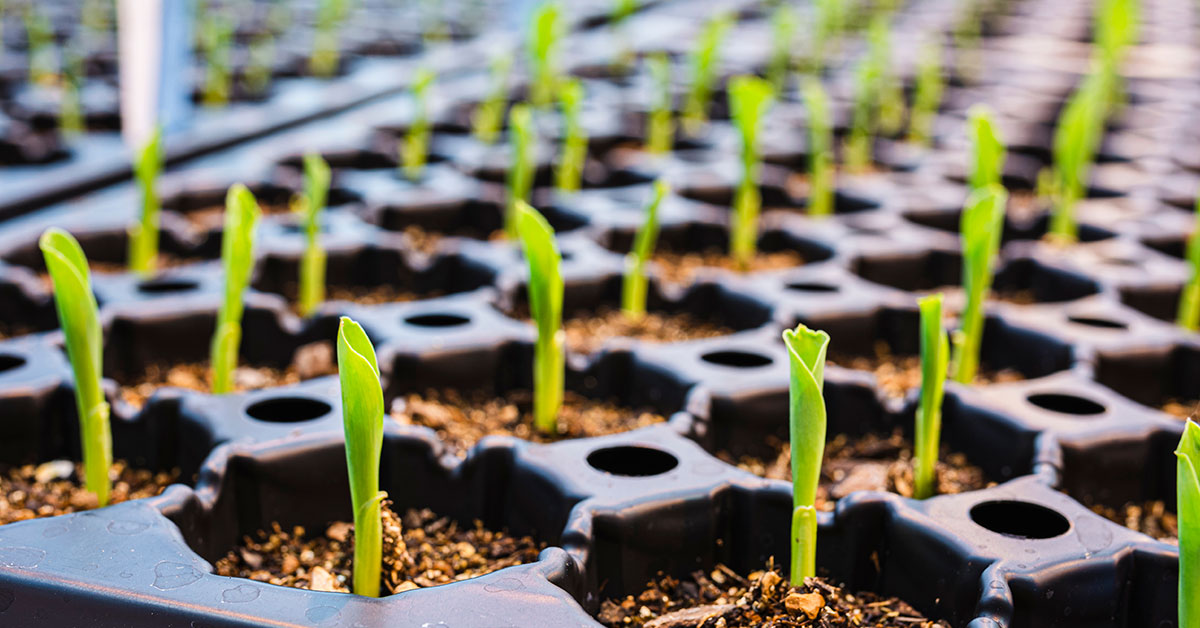
To extend the growing season, you can also start sweet corn seeds indoors in pots or trays around 2-3 weeks before the last expected frost date. Transplant them outdoors after the risk of frost has passed, ensuring they are hardened off properly.
Sweet corn requires consistent moisture throughout its growth, so regular watering is essential, particularly during dry spells. Mulching around the plants can help conserve moisture and suppress weed growth. Additionally, sweet corn is a heavy feeder, so it’s beneficial to provide a balanced fertilizer during planting and side-dress with nitrogen fertilizer when the plants are knee-high.
By following these guidelines, you should be able to successfully plant sweet corn in the UK and enjoy delicious, homegrown corn on the cob during the late summer or early autumn months.
When to harvest sweet corn in the UK
The optimal time to harvest sweet corn in the UK is typically in late summer or early autumn, usually around August to September. However, the exact timing can vary depending on the variety of corn you are growing and the specific weather conditions in your area. It is important to monitor the corn closely as it approaches maturity to ensure you harvest it at the right time. Look for signs such as the ears becoming plump and firm, the silks turning brown, and the kernels appearing full and milky when squeezed. Harvesting too early will result in underdeveloped corn, while waiting too long may lead to overripe or tough kernels.
Other considerations
When growing sweet corn in the UK, there are several other considerations to keep in mind:
- Climate: Sweet corn prefers warm temperatures and requires a long growing season. In the UK, it is important to choose corn varieties that are suitable for the shorter growing season and cooler climate.
- Soil: Sweet corn thrives in well-draining soil that is rich in organic matter. Prepare the soil by adding compost or well-rotted manure before planting to improve fertility and moisture retention.
- Sunlight: Sweet corn requires full sun to grow and produce sweet, juicy kernels. Choose a location in your garden that receives at least 6-8 hours of direct sunlight daily.
- Spacing: Corn plants are wind-pollinated, so they need to be grown in blocks rather than single rows to ensure good pollination and maximize yield. Plant corn seeds in blocks or clusters rather than long single rows.
- Watering: Sweet corn needs consistent moisture, especially during the hot summer months. Water deeply and regularly, ensuring that the soil remains evenly moist but not waterlogged.
- Fertilization: Corn is a heavy feeder and requires regular fertilization throughout the growing season. Apply a balanced organic fertilizer before planting and side-dress with a nitrogen-rich fertilizer once the plants are about knee-high.
- Weed control: Keep the corn patch weed-free to prevent competition for nutrients and water. Mulching around the plants can help suppress weeds and conserve soil moisture.
- Pest and disease management: Sweet corn is susceptible to pests such as aphids, corn earworms, and cutworms. Monitor your plants regularly, and take appropriate measures like handpicking pests or using organic pest control methods if necessary. Common diseases that affect sweet corn include rust, smut, and Northern corn leaf blight. Choose disease-resistant varieties, practice crop rotation, and maintain good garden hygiene to minimize the risk of disease.
- Harvesting: Sweet corn is ready for harvest when the silks turn brown and dry, and the kernels are plump and milky. Avoid overripe corn as it can become starchy and lose sweetness. Harvest corn by twisting each ear downward until it snaps off the stalk.
By considering these factors, you can successfully grow sweet corn in the UK and enjoy the delicious taste of homegrown corn on the cob.