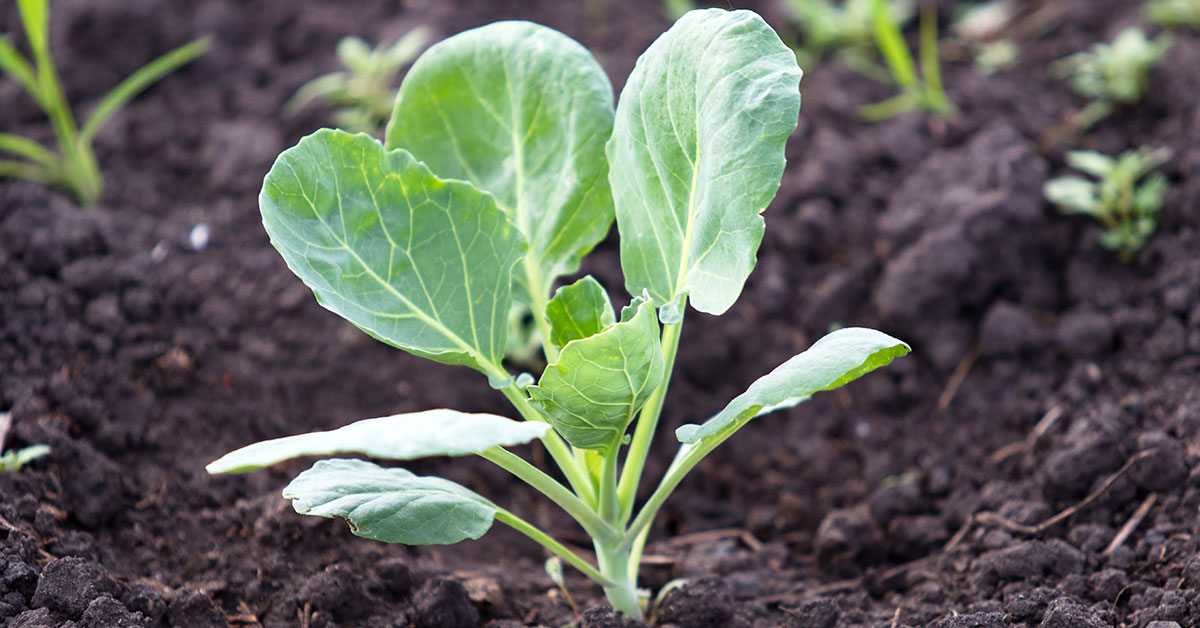

Brussels sprouts, those miniature yet mighty members of the cabbage family, have long been a beloved staple of British winter meals. With their tender texture and distinctive flavor, these nutritious vegetables are a must-have in any home garden. But when is the best time to plant Brussels sprouts in the UK?
As an experienced gardener, I understand the importance of timing when it comes to cultivating successful crops. In this article, we will explore the optimum planting time for Brussels sprouts in the UK, taking into account the region’s climate and the unique needs of this cruciferous delight.
Whether you are a seasoned gardener or a novice enthusiast, this guide will equip you with the knowledge to maximize your Brussels sprouts yield and enjoy a bountiful harvest. So grab your gardening gloves and let’s dive into the fascinating world of Brussels sprouts cultivation in the UK.
Good varieties of brussel sprouts to grow in the UK
There are several good varieties of Brussels sprouts to grow in the UK. Here are a few popular options:
- ‘Trafalgar’: This variety is known for its excellent flavor and high yields. It produces medium-sized sprouts on sturdy stalks and has good resistance to disease.
- ‘Bosworth’: Another popular choice, ‘Bosworth’ produces large, firm sprouts that are packed with flavor. It is a reliable variety that performs well in different growing conditions.
- ‘Crispus’: This variety is known for its unique crinkled leaves and uniform sprouts. ‘Crispus’ has good resistance to clubroot, a common disease in brassicas.
- ‘Evesham Special’: This variety is well-suited for early to mid-season harvests. It produces sweet and tender sprouts on compact plants, making it ideal for smaller gardens.
- ‘Bedford Fillbasket’: A traditional variety, ‘Bedford Fillbasket’ is known for its large sprouts and strong, upright plants. It has good disease resistance and performs well in colder climates.
Remember, when choosing a variety, consider your specific growing conditions, such as your location, soil type, and available sunlight. Additionally, it’s beneficial to rotate your crops each year to prevent the buildup of diseases in the soil.
When to plant brussel sprouts in the UK
In the UK, the hardiness zones are determined by the Royal Horticultural Society (RHS) and are based on the average minimum winter temperature. These zones help gardeners determine which plants are most likely to survive in their specific region.
The UK is divided into several hardiness zones, ranging from 7a in the mildest areas to 9b in the coldest regions. The milder zones, such as 9a and 9b, are found along the southwestern coast of England and parts of Wales, while the colder zones, like 7a, are found in Scotland and northern England.
Brussels sprouts, which are a cool-season vegetable, thrive in the UK’s temperate climate. The best time to plant Brussels sprouts in the UK generally depends on your specific hardiness zone and local conditions.
For zones 9a and 9b, where the winters are milder, Brussels sprouts can be planted in late winter or early spring, typically between February and April. This allows the plants to establish and grow during the cooler months and produce a harvest in late summer or early autumn.
In zones 8a and 8b, which experience slightly colder winters, Brussels sprouts can be planted from late winter to early spring as well, but it is advisable to provide some protection, such as cloches or fleece, to shield the plants from frost.
In zones 7a and 7b, where winters are colder, it is recommended to start Brussels sprouts indoors in late winter, around February or March, and then transplant them outdoors when the risk of frost has passed, usually in April or May. This gives the plants a head start and increases the chances of a successful harvest.
For even colder zones, like 6a and 6b, where the winters can be more severe, it is best to start Brussels sprouts indoors in early spring and transplant them outdoors in late spring or early summer, once the weather has warmed up.
It’s important to note that the specific planting times may vary depending on your local conditions, such as altitude, microclimates, and the variability of the weather. Always consider the recommendations of your local garden center or consult gardening resources specific to your area for the most accurate planting advice.
By following these general guidelines and adjusting them according to your hardiness zone, you will have the best chance of successfully growing Brussels sprouts in your UK garden.
When to harvest brussel sprouts in the UK
The optimal time to harvest Brussels sprouts in the UK is typically from late autumn to early winter, usually around November to December. Brussels sprouts tend to taste better after they have been exposed to some cooler temperatures, as this helps to sweeten their flavor. You can start harvesting the sprouts from the bottom of the stalk upwards, picking them when they have reached a firm and compact size, around 1-2 inches in diameter. It’s important to harvest them before they become loose or start to open up, as this can indicate that they are past their prime.
Other considerations
When growing Brussels sprouts in the UK, there are several other considerations to keep in mind:
- Climate: Brussels sprouts prefer cool climates, so the UK’s temperate climate is generally suitable for their growth. However, they are susceptible to frost damage, so it’s important to choose varieties that are cold-tolerant and plant them at the right time of year.
- Soil: Brussels sprouts thrive in fertile, well-draining soil. Before planting, enrich the soil with organic matter, such as compost or well-rotted manure, to improve its quality. Brussels sprouts prefer a slightly acidic soil with a pH of around 6.0 to 6.8.
- Sunlight: Brussels sprouts need at least six hours of direct sunlight each day to grow and develop properly. Choose a sunny location in your garden or allotment for planting.
- Planting time: Brussels sprouts are typically sown indoors in late winter or early spring (around February or March) and transplanted outdoors once the seedlings have grown. The exact planting time may vary depending on your specific location in the UK, so consider consulting a local gardening guide or expert for specific recommendations.
- Spacing: Brussels sprouts need ample space to grow, as they can reach a height of 2 to 3 feet and develop large leaves. Plant them approximately 24 to 36 inches apart to allow for proper air circulation and prevent overcrowding.
- Watering: Consistent moisture is essential for Brussels sprouts, especially during dry spells. Water deeply and evenly to keep the soil consistently moist, but avoid overwatering, as it can lead to root rot. Mulching around the plants can help retain soil moisture and suppress weed growth.
- Fertilizing: Brussels sprouts are heavy feeders and require regular nutrient supplementation. Apply a balanced fertilizer before planting and side dress with nitrogen-rich fertilizers, such as blood meal or fish emulsion, every few weeks throughout the growing season.
- Pest and disease management: Brussels sprouts can be susceptible to various pests, including aphids, caterpillars (such as cabbage worms), and cabbage root fly. Monitor your plants regularly and take appropriate measures, such as using insecticidal soaps or organic pest controls, to manage infestations. Additionally, keep an eye out for diseases like clubroot and powdery mildew, and practice proper crop rotation to minimize the risk of these issues.
By considering these factors and providing appropriate care, you can successfully grow Brussels sprouts in the UK.