
Welcome to our comprehensive guide on the best time to plant kale in the UK! As a seasoned gardener, I understand how important it is to choose the right time for planting to ensure a successful and bountiful harvest. Kale, with its numerous health benefits and versatile culinary uses, has become increasingly popular in the UK. But when is the ideal time to sow kale seeds or transplant seedlings?
In this article, we will delve into the specific requirements of kale, taking into account weather conditions, soil temperature, and growing season lengths in different regions of the UK.
Whether you are a novice gardener or an experienced green thumb, this article will equip you with the knowledge needed to grow thriving kale plants in your own backyard. So let’s dive in and discover the optimal time to plant kale in the UK!
Best kale varieties to grow in the UK
In the UK, there are several varieties of kale that are well-suited for growing. Here are some popular and reliable options:
- Curly Kale (Brassica oleracea var. sabellica): This is the most common type of kale and has tightly curled leaves. It is hardy, easy to grow, and produces an abundant harvest.
- Red Russian Kale (Brassica napus var. pabularia): Known for its attractive purple stems and frilly leaves, Red Russian kale is a flavorful and nutritious variety. It tends to be more tender and sweeter than other types of kale.
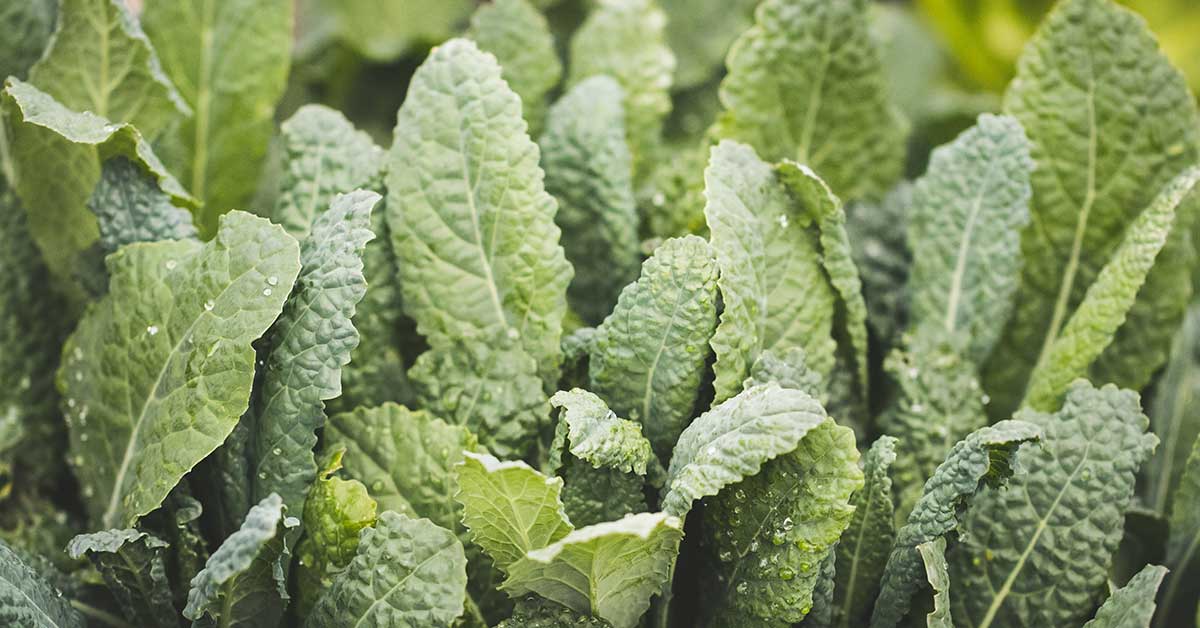
- Cavolo Nero or Lacinato Kale (Brassica oleracea var. acephala): Also known as Tuscan kale or black kale, this variety has long, dark green leaves with a bumpy texture. It has a rich flavor and is often used in Italian cuisine.
- Dwarf Green Curled Kale (Brassica oleracea var. sabellica): As the name suggests, this kale variety is compact in size, making it ideal for smaller gardens or containers. It still produces an abundance of curly leaves.
- Scarlet Kale (Brassica oleracea var. acephala): This kale variety stands out with its vibrant purple-red leaves. It adds a unique visual appeal to your garden and can be used in salads or cooked dishes.
- Nero di Toscana (Brassica oleracea var. acephala): Similar to Cavolo Nero, this kale variety has long, dark green leaves. It is commonly used in Italian cooking and has a robust, earthy flavor.
Remember to choose varieties that are suitable for your specific growing conditions and preferences. The above options are generally well-adapted to the UK climate and provide a range of flavors, textures, and colors to diversify your kale harvest.
When to plant kale in the UK
In the UK, the Royal Horticultural Society (RHS) has developed a hardiness zone map that categorizes the country into different zones based on their average annual minimum temperature. This map is a useful tool for gardeners to determine which plants are most likely to thrive in their specific region.
The UK is primarily categorized into zones 7, 8, and 9, which indicates the average minimum temperatures ranging from -12.2°C to 2.2°C (10°F to 36°F). These zones cover most parts of England, Wales, and the southern regions of Scotland. The southwestern parts of the country, such as Cornwall and Devon, tend to have milder climates and fall into zone 9, while the northeastern regions and higher elevations in Scotland typically fall into zone 7.
When it comes to planting kale, it is a cool-season crop that can tolerate some frost and even thrive in colder temperatures. In the UK, kale can be grown as both a spring and fall crop. The best time to plant kale in the UK is during late summer or early autumn, around late August to early September. This is because kale benefits from cooler weather and matures better when subjected to a few light frosts.
By planting kale in late summer or early autumn, it allows the plants to establish themselves during the milder weather and develop strong roots before winter sets in. This will ensure better growth and a more abundant harvest. Additionally, planting kale in late summer or early autumn means that you can enjoy fresh, homegrown kale throughout the winter months when other vegetables are scarce.
It is worth noting that kale can also be planted in early spring, around March or April, for a summer harvest. However, keep in mind that kale prefers cooler temperatures and may bolt (go to seed) if exposed to prolonged periods of high heat. Therefore, if you are in a region with warmer summers, it is recommended to focus on the autumn planting for the best results.
Remember to provide your kale plants with adequate sunlight, well-draining soil, and regular watering to ensure healthy growth. Additionally, consider protecting your plants from pests like cabbage worms and aphids by using appropriate organic pest control methods or physical barriers.
By following these guidelines and considering the hardiness zones in the UK, you can successfully grow kale and enjoy its nutritious leaves throughout the year. Happy gardening!
When to harvest kale in the UK
The optimal time to harvest kale in the UK is usually from late summer to early winter. Kale is a cold-hardy vegetable and it actually tastes better after a light frost, as the cold temperatures enhance its flavor. You can start harvesting kale leaves when they are about 8-10 inches long, usually around 8-10 weeks after planting. However, you can also begin harvesting the outer leaves of kale plants earlier, while allowing the inner leaves to continue growing for later harvests. It’s important to note that kale can be harvested throughout the winter months as long as it is protected from severe frost.
Other considerations
When growing kale in the UK, there are several important considerations to keep in mind:
- Climate: Kale is a hardy vegetable that can tolerate cool temperatures, but it thrives in the UK’s temperate climate. It is best grown during the cooler months of spring and autumn, as it can become bitter and develop tough leaves in hot weather.
- Soil: Kale prefers well-draining, fertile soil with a pH level between 6.0 and 7.5. Prior to planting, amend the soil with organic matter such as compost or well-rotted manure to improve its structure and nutrient content.
- Sunlight: Kale requires at least 4-6 hours of direct sunlight daily for optimal growth. Choose a sunny spot in your garden that receives adequate sunlight throughout the day.
- Watering: Keep the soil consistently moist but not waterlogged. Water deeply once or twice a week, depending on the rainfall and moisture retention of your soil. Avoid overwatering, as it can lead to root rot and other fungal diseases.
- Fertilization: Prior to planting, incorporate a balanced organic fertilizer into the soil to provide essential nutrients. Additionally, side-dress the plants with a nitrogen-rich fertilizer every four to six weeks during the growing season to promote vigorous growth.
- Mulching: Apply a layer of organic mulch, such as straw or wood chips, around the base of the plants to help retain soil moisture, suppress weed growth, and regulate soil temperature.
- Pests and diseases: Kale is generally resistant to many pests and diseases, but it can still be affected by aphids, caterpillars, and slugs. Regularly inspect your plants for any signs of infestation and take appropriate measures, such as handpicking pests or using organic pest control methods if necessary.
- Harvesting: Start harvesting kale leaves when they reach a usable size, usually around 8-10 weeks after planting. Harvest the outer leaves first, leaving the central growing point intact to allow for continuous growth. Younger leaves tend to be more tender and flavorful.
By considering these factors, you can successfully grow kale in the UK and enjoy its nutritious and delicious harvest throughout the year.