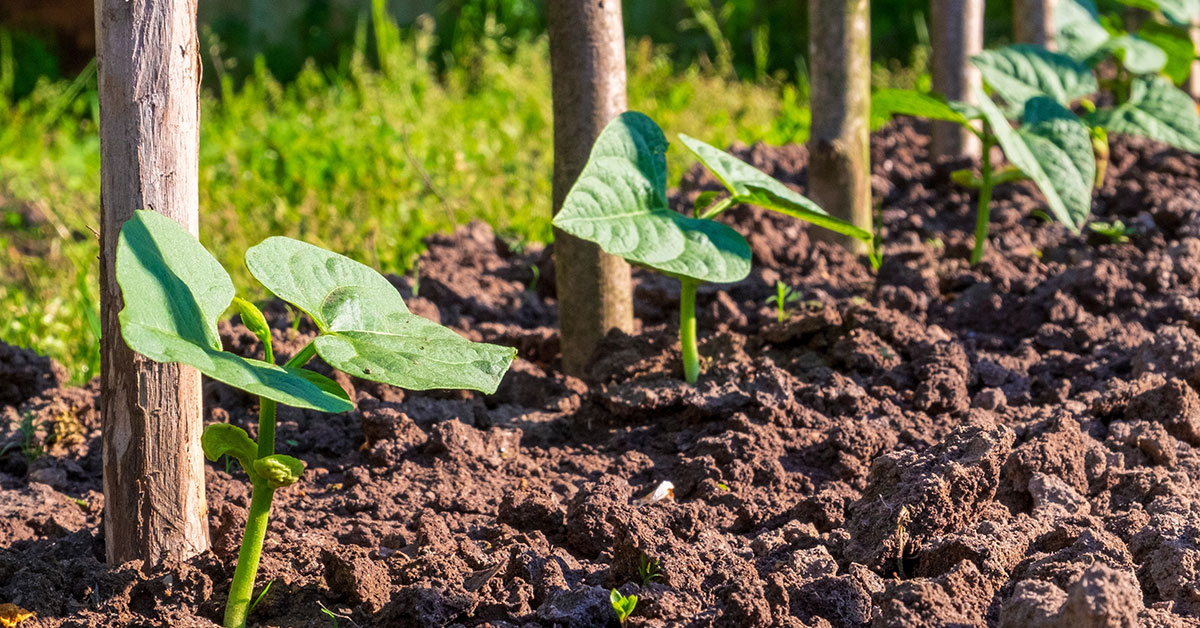

If you’re a gardening enthusiast in the UK looking to grow runner beans, timing is everything. Runner beans are a popular choice among gardeners due to their vibrant flowers, delicious edible pods, and ability to fix nitrogen in the soil. In this article, we will explore the best time to plant runner beans in the UK, taking into consideration the country’s climate and growing conditions.
Whether you’re a seasoned gardener or a beginner, understanding the ideal planting window will help you maximize your bean crop and enjoy a bountiful harvest.
Best runner bean varieties to grow in the UK
There are several good varieties of runner beans that are well-suited for growing in the UK. Here are some popular choices:
- ‘Scarlet Emperor’: This is a classic runner bean variety, known for its excellent flavor and high yields. It produces long, straight pods with bright red flowers.
- ‘Polestar’: This variety is known for its vigorous growth and heavy cropping. It produces tender, stringless pods and is resistant to common bean diseases.
- ‘Enorma’: As the name suggests, this variety produces exceptionally long pods, sometimes reaching up to 50cm in length. It has a good flavor and high yield.
- ‘Moonlight’: This is a white-flowered variety that is popular for its sweet, tender pods. It is an early maturing variety, perfect for those who want to start harvesting beans sooner.
- ‘Firestorm’: This is a newer variety that has gained popularity in recent years. It produces bright red flowers and long, slender pods with excellent flavor.
These are just a few examples, and there are many more runner bean varieties available. It’s always a good idea to check with local garden centers or seed suppliers to see what varieties are recommended for your specific region and growing conditions.
When to plant runner beans in the UK
In the United Kingdom, hardiness zones are primarily determined by the Royal Horticultural Society (RHS) and are based on the average annual minimum temperature in a particular area. These zones help gardeners understand the climatic conditions and guide them in selecting plants that are suitable for their region.
The UK is generally classified into four hardiness zones: H1, H2, H3, and H4. H1 represents areas with the mildest winters, such as the Isles of Scilly, while H4 represents the coldest regions, like the Scottish Highlands. Understanding your specific hardiness zone is crucial for successful gardening, as it helps you choose plants that can withstand the local climate.
When it comes to planting runner beans (Phaseolus coccineus) in the UK, it is important to consider both the hardiness zone and the local weather conditions. Runner beans are warm-season crops that thrive in temperatures between 15-25°C (59-77°F). In the UK, it is generally recommended to sow runner beans after the risk of frost has passed and the soil has warmed up.
For most regions in the UK, the best time to plant runner beans is typically from mid-May to early June. By this time, the soil is usually warm enough to support germination and growth. If you are unsure about the specific timing for your area, you can check with your local RHS office or refer to their online resources for more accurate planting dates.
However, it is worth noting that weather patterns can vary from year to year, so it is always a good idea to keep an eye on the local weather forecast before planting. If there is an unexpected late frost or prolonged cold spell, it may be necessary to delay planting until conditions improve.
To ensure successful growth, runner beans require well-drained soil, full sun exposure, and some form of support, such as trellises or bamboo poles, for their climbing vines. Regular watering and occasional feeding with a balanced fertilizer will also contribute to healthy plant development.
By considering your hardiness zone, local weather conditions, and following the recommended planting time, you can maximize the chances of having a bountiful harvest of runner beans in the UK. Happy gardening!
When to harvest runner beans in the UK
The optimal time to harvest runner beans in the UK is typically from July to October. The exact timing can vary depending on the variety and local growing conditions. It is best to start harvesting when the beans are young and tender, before they become tough and stringy. Look for beans that are about 20 centimeters (8 inches) long and still have a bright green color. Regularly check your plants and harvest the beans every few days to ensure they are at their best.
Other considerations
When growing runner beans in the UK, there are a few additional considerations to keep in mind:
- Climate: Runner beans thrive in mild climates, so ensure that your region in the UK has a suitable climate for them. They prefer temperatures between 15-25°C (59-77°F) during the day and cooler nights.
- Soil: Runner beans prefer well-draining soil that is rich in organic matter. Prepare the soil by incorporating compost or well-rotted manure to improve fertility and drainage.
- Location: Choose a sunny spot in your garden for growing runner beans. They require at least 6-8 hours of direct sunlight daily to produce healthy and abundant crops.
- Support: Runner beans are vigorous climbers and require sturdy support structures such as trellises, bamboo canes, or wigwams. Install these structures before planting to avoid damaging the plants later.
- Sowing and Planting: Start sowing runner bean seeds indoors in pots or modules from mid-April to mid-May, depending on your region and weather conditions. Transplant them outdoors when the risk of frost has passed, typically in late May or early June. Alternatively, you can sow seeds directly in the ground from late May.
- Watering: Runner beans require consistent moisture throughout the growing season, especially during flowering and pod formation. Water deeply once or twice a week, ensuring the soil remains evenly moist but not waterlogged. Mulching around the plants can also help retain moisture and suppress weeds.
- Feeding: Prior to planting, incorporate a balanced organic fertilizer into the soil. Additionally, feed the plants every 3-4 weeks during the growing season with a liquid fertilizer high in potassium (e.g., tomato fertilizer) to encourage flower and pod development.
- Pests and Diseases: Keep an eye out for common pests like blackfly and slugs, which can affect runner beans. Regularly inspect the plants and take appropriate measures to control these pests. Also, practice crop rotation and maintain good garden hygiene to minimize the risk of diseases such as bean rust and powdery mildew.
- Harvesting: Runner beans are usually ready for harvest about 8-12 weeks after sowing, depending on the variety. Regularly pick the pods when they are young, tender, and before the beans inside become too developed. Harvesting regularly will encourage the plant to produce more.
By considering these factors, you can ensure successful growth and a bountiful harvest of runner beans in the UK.