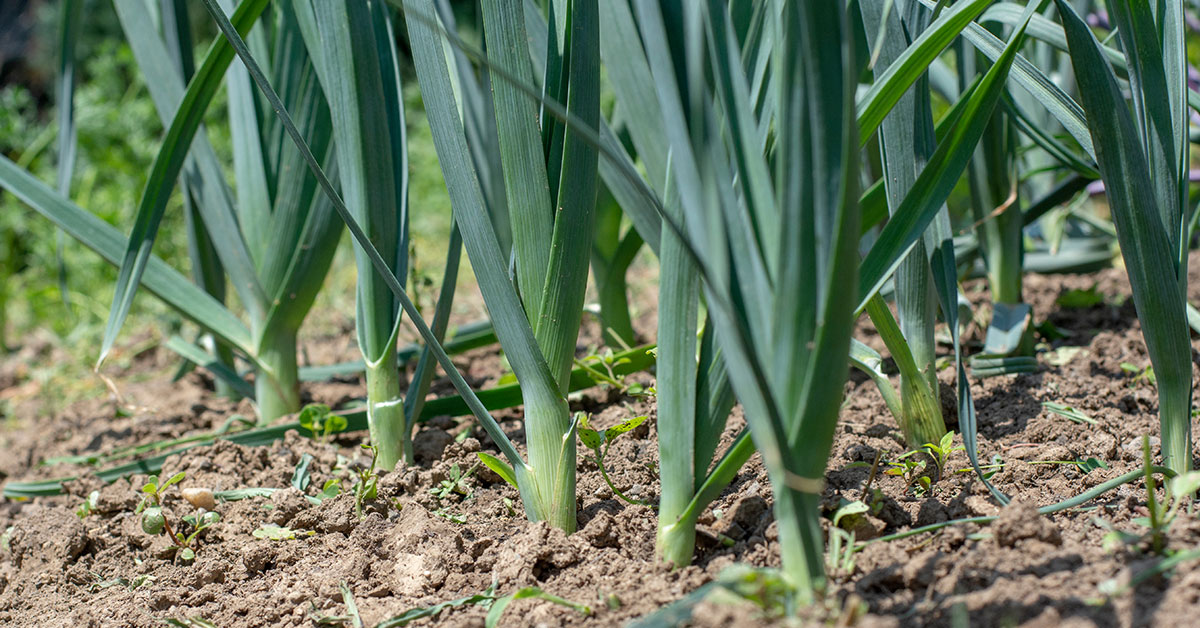

Welcome to our comprehensive guide on planting leeks in the United Kingdom! As an experienced gardener, I understand the importance of timing when it comes to growing vegetables, and leeks are no exception. In this article, we will explore the best time to plant leeks in the UK, taking into account the ideal weather conditions, soil preparation, and key considerations to ensure a successful harvest.
Whether you are a beginner looking to venture into vegetable gardening or a seasoned green thumb seeking to improve your leek-growing skills, this guide will provide you with all the information you need to grow healthy and delicious leeks in your own backyard. Let’s dive in!
Best leeks to grow in the UK
In the UK, there are several good varieties of leeks that are popular among gardeners. Here are a few recommendations:
- Musselburgh: This is a traditional variety that is known for its reliability and hardiness. It produces medium to large-sized leeks with a mild flavor.
- Lyon Prizetaker: This variety is well-suited for exhibition purposes as it produces long, thick stems with a sweet and mild taste. It is also a good choice for culinary use.
- Blue Solaise: This variety is unique as it produces blue-green leaves. It has a good resistance to bolting and can be harvested over a long period. The flavor is slightly stronger compared to other varieties.
- Tornado: Tornado leeks are known for their uniformity and high-quality stems. They have good disease resistance and are easy to grow.
- Apollo: Apollo is a popular hybrid variety that produces thick, short stems with a delicate flavor. It has good resistance to disease and performs well in a range of growing conditions.
Remember that the choice of leek variety can depend on your specific requirements and growing conditions. It may be helpful to consult with local garden centers or experienced gardeners in your area for the most suitable varieties for your specific location.
When to plant leeks in the UK
In the United Kingdom, the hardiness zones vary from Zone 8 in the south to Zone 6 in the north. These zones are determined by the average minimum winter temperatures experienced in different regions. The hardiness zones provide valuable information regarding the suitability of various plants to specific areas, helping gardeners make informed decisions about what to grow.
Leeks, which are a cool-season crop, can generally be planted in the UK during early spring or late summer. However, the specific timing can vary depending on the region and prevailing weather conditions. Here are a few guidelines to help you determine the best time to plant leeks in different parts of the UK:
- Southern Regions (Zone 8): In areas such as London and the South East, where the winters are milder, leeks can be sown directly into the ground during late February to early April. Alternatively, you can start them indoors in late January or early February and transplant them outdoors in late March or early April.
- Midlands and Central England (Zone 7): In regions like Birmingham and the East Midlands, where the winters are slightly colder, it is best to start leeks indoors in late January or early February and transplant them outdoors in late March or early April. Direct sowings can be done from late February to early April.
- Northern England (Zone 6): In areas like Manchester and Leeds, where the winters are colder, it is advisable to start leek seeds indoors in early to mid-February and transplant them outdoors in late March or early April. Direct sowings can be done from late February to early April.
- Scotland and Northern Ireland (Zones 6-8): In these regions, which experience colder winters, it is best to start leeks indoors in early to mid-February and transplant them outdoors in late March or early April. Direct sowings can be done from late February to early April.
It’s important to note that these are general guidelines, and local weather patterns can influence planting times. Always keep an eye on the weather forecast and adjust your planting schedule accordingly. Additionally, consider using protective measures such as cloches or row covers to shield young leek plants from frost and cold temperatures.
By following these guidelines and considering the specific hardiness zone of your area, you can ensure successful leek cultivation in your UK garden.
When to harvest leeks in the UK
The optimal time to harvest leeks in the UK is typically during the late summer and autumn months. Leeks usually take around 90-120 days to mature from the time of planting. You can start harvesting them when they have reached a desirable size, which is usually when they are about 1 inch (2.5 cm) in diameter or larger. It’s important to keep an eye on the size of the leeks and avoid leaving them in the ground for too long, as they can become tough and woody if overgrown. Harvesting can be done by gently loosening the soil around the base of the leek and pulling it out by hand or using a garden fork if needed.
Other considerations
When growing leeks in the UK, there are several other considerations to keep in mind:
- Climate: Leeks thrive in cool weather, so the UK’s temperate climate is generally well-suited for their growth. However, it’s important to ensure they are protected from severe frost and strong winds, as these can damage the plants.
- Soil: Leeks prefer well-draining soil that is rich in organic matter. Before planting, amend the soil with compost or well-rotted manure to improve fertility and drainage. A slightly acidic to neutral soil pH of around 6.0-7.0 is ideal for leeks.
- Sunlight: Leeks require at least 6 hours of direct sunlight per day to grow properly. Choose a sunny spot in your garden that receives ample sunlight throughout the day.
- Watering: Leeks require consistent moisture, so regular watering is essential. However, avoid overwatering, as it can lead to rotting. Aim to keep the soil evenly moist, especially during dry spells. Water deeply rather than shallowly, ensuring the water reaches the root zone.
- Fertilizer: Leeks are heavy feeders and benefit from regular feeding. Prior to planting, incorporate a slow-release fertilizer or well-balanced organic fertilizer into the soil. Additionally, side-dress the plants with compost or a nitrogen-rich fertilizer every few weeks during the growing season.
- Spacing: Leeks need adequate space to grow and develop properly. Plant them in rows, spacing each plant around 15-20 cm (6-8 inches) apart. This allows enough room for the plants to develop their bulbs and ensures good air circulation to minimize disease.
- Mulching: Mulching around the leek plants can help retain soil moisture, suppress weed growth, and regulate soil temperature. Apply a layer of organic mulch, such as straw or compost, around the plants, taking care to keep it away from the stems to prevent rot.
- Pest and Disease Control: Leeks are generally less prone to pests and diseases compared to other vegetables. However, keep an eye out for common issues like leek moth, onion fly, and rust. Monitor your plants regularly and take appropriate measures, such as using insect netting or organic pest control methods, if necessary.
- Harvesting: Leeks are typically ready for harvest from late summer to early winter, depending on the variety. Start harvesting when the leeks have reached a desired size, usually around 2.5-5 cm (1-2 inches) in diameter. Use a garden fork or spade to carefully lift the leeks out of the ground, taking care not to damage the bulbs.
By considering these factors and providing proper care, you can successfully grow leeks in the UK. Happy gardening!