
Welcome to the world of gardening in the United Kingdom! If you’re a green bean enthusiast, you’ve come to the right place. Green beans, also known as French beans or snap beans, are a popular vegetable to grow in British gardens due to their versatility and delicious taste. But when is the best time to plant green beans in the UK?
In this article, we will explore the ideal planting times for green beans, taking into consideration the UK’s unique climate and growing conditions. Whether you’re a seasoned gardener or a beginner looking to try your hand at growing green beans, read on to discover the optimal time to sow your seeds and enjoy a bountiful harvest of these nutritious legumes.
Best green bean varieties to grow in the UK
There are several good varieties of green beans that grow well in the UK. Here are a few popular options:
- ‘Cobra’: This is a reliable and heavy-yielding variety that produces long, straight pods. It has a good flavor and is resistant to common bean diseases.
- ‘Delinel’: This variety is known for its compact growth habit, making it suitable for smaller gardens or containers. It produces slender, stringless pods that are tender and tasty.
- ‘Purple Teepee’: If you’re looking for something a bit different, this variety produces vibrant purple pods that turn green when cooked. It has a bushy growth habit and is quick to mature.
- ‘Maxi’: This is a dwarf variety that doesn’t require any support. It produces high yields of round, stringless pods that are easy to harvest.
- ‘Fasold’: This is a traditional variety that has been popular for many years. It produces long, straight pods with excellent flavor and texture.
These are just a few examples, and there are many more varieties of green beans available in the UK. Consider your growing conditions, such as the size of your garden and the amount of sunlight it receives, when selecting the best variety for you.
When to plant Green beans in the UK
In the United Kingdom, hardiness zones are commonly referred to as the RHS Hardiness Ratings. These ratings are used to determine the suitability of plants for different regions based on their ability to withstand the prevailing climatic conditions. The RHS Hardiness Ratings range from H1a (tropical) to H7 (severe continental).
The UK is generally categorized as being within the H3 to H5 hardiness zones. This means that most regions experience average minimum temperatures ranging from -5°C (H5) to -15°C (H3) during winter. However, it’s important to note that the UK’s climate can vary significantly across regions, so it’s always advisable to check the specific hardiness rating for your location.
When it comes to planting green beans in the UK, they are typically considered a warm-season crop that thrives in temperatures between 18°C to 24°C. Therefore, it is best to wait until after the risk of frost has passed and the soil has warmed up before planting green beans outdoors.
In most regions of the UK, this usually occurs around late May to early June. However, it is recommended to check the local weather conditions and forecast to ensure that the temperatures are consistently within the suitable range for green bean growth.
Before planting, make sure to prepare the soil by loosening it and removing any weeds. Green beans prefer well-drained soil with a pH between 6.0 and 7.0. You can also incorporate some organic matter, such as compost or well-rotted manure, to improve soil fertility.
Green beans can be directly sown into the ground or started indoors in pots before transplanting. If starting indoors, sow the seeds in biodegradable pots about 2-3 weeks before the expected planting date. Transplant the seedlings outdoors once they have developed a few true leaves and all risk of frost has passed.
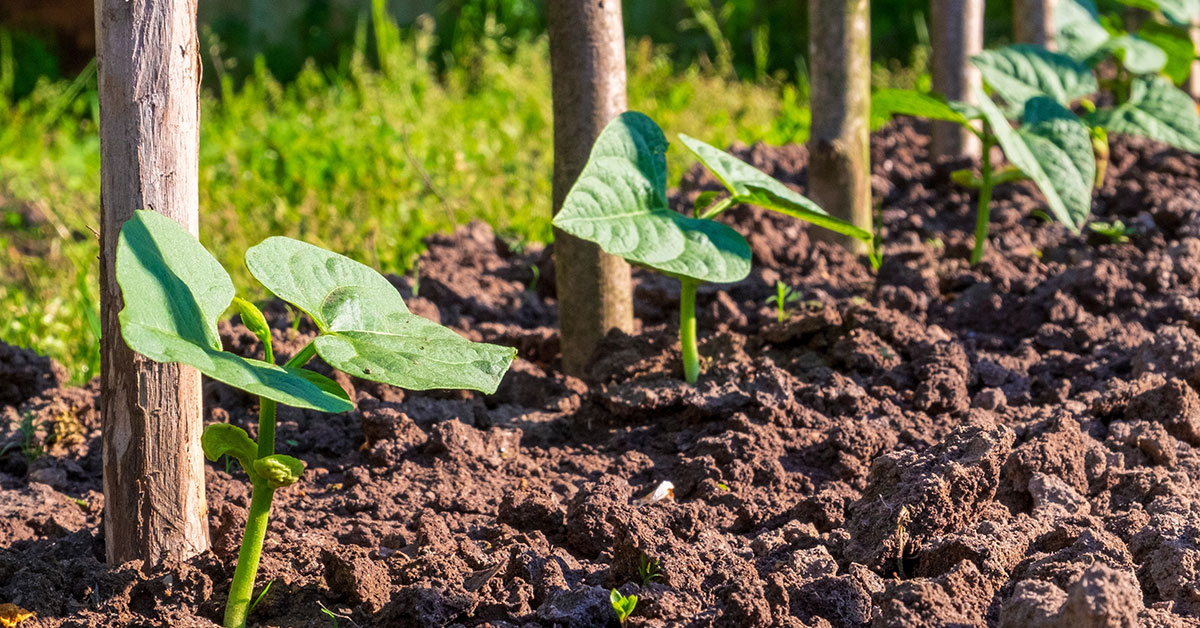
When planting, space the green bean plants about 10-15 cm apart in rows that are around 60-90 cm apart. Provide support for the plants, such as trellises or poles, as they will climb and require something to grow on.
Regular watering is important, especially during dry spells, to ensure adequate moisture for healthy growth. Harvest the green beans when they are young and tender, usually around 8-10 weeks after planting. Regularly picking the beans encourages further production.
By following these guidelines and considering the specific climate and hardiness rating for your region, you can successfully grow green beans in the UK. Happy gardening!
When to harvest Green beans in the UK
The optimal time to harvest green beans in the UK is typically from July to October. However, the exact timing may vary depending on the specific variety of green beans you are growing and the weather conditions in your region. It is best to monitor the plants closely and harvest the beans when they are still young and tender, before they become tough and stringy. When the beans are about 4-6 inches long and the pods are crisp and firm, they are ready to be harvested.
Other considerations
When growing green beans in the UK, there are a few additional considerations to keep in mind:
- Climate: Green beans prefer warm weather and do well in the UK during the summer months. However, they can be sensitive to cold temperatures and frost. Therefore, it is important to plant them after the last frost date and provide protection if there is a risk of frost.
- Soil: Green beans thrive in well-draining soil that is rich in organic matter. Before planting, prepare the soil by adding compost or well-rotted manure to improve its fertility. The soil pH should be slightly acidic to neutral (around 6.0-7.0).
- Sunlight: Green beans require full sun exposure to grow and produce a good yield. Choose a location in your garden that receives at least 6-8 hours of direct sunlight per day.
- Watering: Green beans need regular and consistent watering. Keep the soil evenly moist, but avoid overwatering as it can lead to root rot. Water at the base of the plants to prevent wetting the leaves, which can increase the risk of fungal diseases.
- Support: Green beans are climbing plants that require support to grow upright. Provide trellises, stakes, or a bean netting system for them to climb on. This will help prevent the plants from tangling and reduce the risk of diseases.
- Companion planting: Consider planting green beans alongside companion plants that can benefit their growth. For example, planting them with corn or summer savory can help deter pests like bean beetles.
- Pest and disease control: Keep an eye out for common pests like aphids, bean beetles, and slugs. Regularly inspect your plants and take appropriate measures to control them, such as handpicking or using organic pest control methods. Additionally, be aware of diseases like powdery mildew and rust, and take preventive measures like proper spacing, good air circulation, and watering at the base of plants.
- Harvesting: Green beans are typically ready to harvest about 8-10 weeks after planting, depending on the variety. Pick the beans when they are young and tender, as they become tough and stringy if left on the plant for too long. Harvest regularly to encourage continuous production.
By considering these factors, you can successfully grow green beans in the UK and enjoy a bountiful harvest.