
Are you a garlic enthusiast looking to cultivate your own aromatic bulbs in the United Kingdom? Look no further! As an experienced gardener, I understand the importance of timing when it comes to planting garlic. In this article, we will explore the best time to plant garlic in the UK, taking into account the different regions, weather conditions, and garlic varieties.
Whether you are a seasoned gardener or just starting out, this guide will provide you with the knowledge you need to successfully grow garlic and enjoy its flavorful rewards.
Best types of garlic to grow in the UK
There are several good varieties of garlic that grow well in the UK. Here are a few popular ones:
- Early Purple Wight: This is a hardneck variety with a robust flavor. It produces large bulbs with purple-streaked outer skins and white inner cloves. It is known for its early maturation and performs well in most UK climates.
- Solent Wight: This variety is also a hardneck type and is well-suited for UK growing conditions. It produces large bulbs with a creamy-white skin and has a strong, sweet flavor. Solent Wight is known for its good storing qualities.
- Lautrec Wight: This softneck variety originates from France and is well-adapted to the UK climate. It has a mild, sweet flavor and produces bulbs with white outer skins and pinkish-purple cloves. Lautrec Wight is great for culinary use and stores well.
- Tuscany Wight: Another hardneck variety, Tuscany Wight is known for its rich, full-bodied flavor. It produces large bulbs with white skins and has large cloves that are easy to peel. It is a good choice for UK gardeners looking for a robust garlic taste.
- Germidour: This softneck variety is popular for its mild, slightly sweet flavor. It produces medium-sized bulbs with a pinkish skin and stores well. Germidour is often preferred by those who enjoy a milder garlic taste.
These are just a few examples of the many garlic varieties available in the UK. When choosing a variety, consider the flavor profile you prefer, the size of bulbs you desire, and the specific growing conditions in your area.
When to plant Garlic in the UK
In the United Kingdom, gardeners often refer to the hardiness zones as Plant Hardiness Zones. These zones provide a useful guide to determine which plants are likely to thrive in different regions based on their ability to withstand the local climate conditions. The UK is divided into various zones, ranging from Zone 8 in the south to Zone 3 in the north.
When it comes to planting garlic, it is important to consider the specific requirements of this bulbous plant. Garlic is typically planted in the autumn season, allowing it to establish roots before the winter sets in. This timing ensures that the garlic plants have a chance to develop a strong root system, which is crucial for healthy growth and bulb formation.
For most parts of the UK, the best time to plant garlic is in September or October. By planting during these months, you give the garlic cloves ample time to develop roots before the colder winter temperatures arrive. Garlic is generally quite hardy and can withstand frost, making it well-suited to the UK climate.
It’s important to note that garlic prefers well-drained soil, so if your garden has heavy clay or waterlogged soil, it’s advisable to improve drainage before planting. Additionally, garlic thrives in full sun, so choose a location that receives at least six hours of direct sunlight each day.
To plant garlic, break apart the bulb into individual cloves, ensuring that each clove has its papery skin intact. Plant the cloves about 2-3 inches deep, with the pointed end facing upwards. Space the cloves about 6 inches apart to allow them room to grow. Once planted, cover the cloves with soil and water them thoroughly.
Throughout the winter months, the garlic cloves will establish roots and may even produce some green shoots. These shoots will slow down their growth during the colder months and resume in early spring. As the weather warms up, you can expect to see vigorous growth in the form of tall, green stalks.
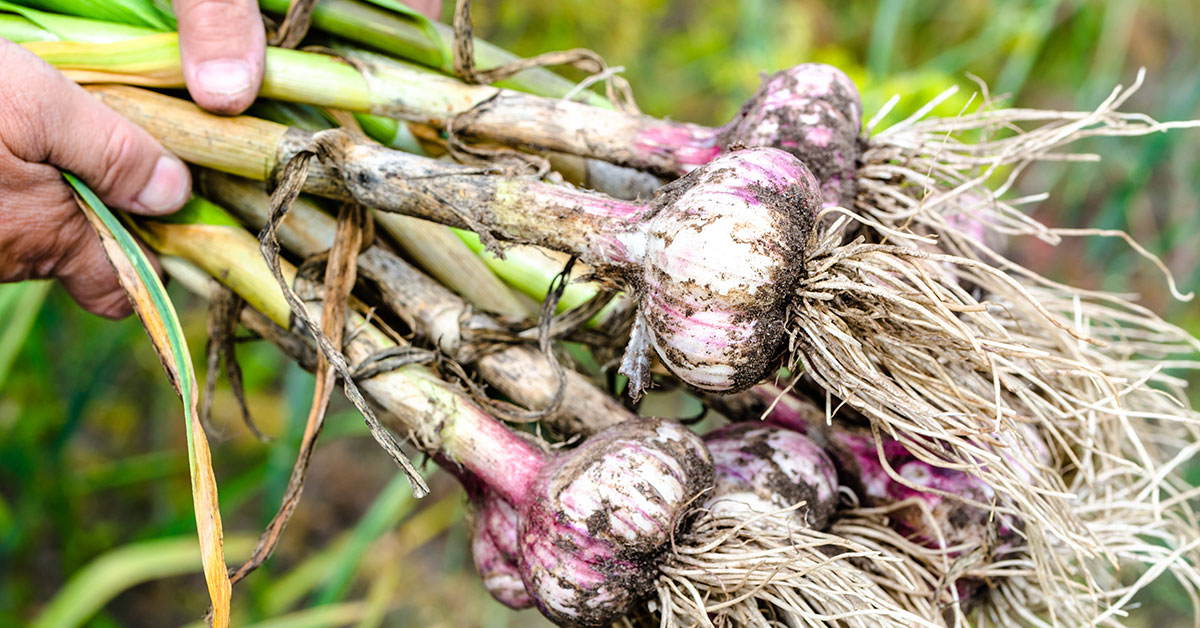
Harvesting typically takes place in mid-summer when the lower leaves start to turn yellow and dry out. Gently dig up the bulbs, taking care not to damage them, and allow them to dry in a dry, well-ventilated area for a few weeks. Once dried, brush off any excess dirt and store the bulbs in a cool, dry place.
By following these guidelines and considering your specific hardiness zone, you can successfully grow garlic in the UK and enjoy a bountiful harvest of this delicious and versatile plant.
When to harvest Garlic in the UK
The optimal time to harvest garlic in the UK is typically in mid-summer, around June or July. Garlic is usually ready to be harvested when the tops of the plants start to turn yellow and dry out. It’s important to keep an eye on the plants and monitor their progress as the exact timing can vary depending on the weather and specific garlic variety. Once the tops have dried out and the outer wrapper layers of the bulbs have formed, you can gently dig up the bulbs using a garden fork or shovel, taking care not to damage them. After harvesting, it’s best to cure the garlic by hanging it in a warm, dry, and well-ventilated area for a few weeks. This allows the bulbs to fully dry and develop their characteristic flavor.
Other considerations
When growing garlic in the UK, there are several other considerations to keep in mind:
- Climate: Garlic thrives in cooler climates and requires a period of cold to develop properly. The UK’s temperate climate is generally suitable for garlic cultivation, but it is important to choose garlic varieties that are suited for your specific region.
- Soil: Garlic prefers well-drained soil that is rich in organic matter. Prior to planting, amend the soil with compost or well-rotted manure to improve fertility and drainage. Avoid heavy clay soils, as they can lead to rotting.
- Sunlight: Garlic requires full sun to grow and develop bulbs properly. Ensure that the planting location receives at least six hours of direct sunlight per day.
- Planting time: Garlic is typically planted in the UK in the autumn, between September and November. This gives the cloves time to establish roots before winter sets in. Planting too early can result in excessive foliage growth, while planting too late may result in smaller bulbs.
- Clove selection: Choose healthy, disease-free garlic cloves for planting. Separate the cloves from the bulb and plant them with the pointed end facing upwards, approximately 2-3 inches deep and 6-8 inches apart. Planting cloves too shallow may result in smaller bulbs.
- Watering: Garlic requires consistent moisture throughout its growing period. Water the plants regularly, especially during dry spells. However, avoid overwatering, as garlic bulbs can rot in excessively wet conditions.
- Fertilization: Garlic benefits from a balanced fertilizer application before planting. Additionally, you can apply a nitrogen-rich fertilizer in early spring when the foliage starts to emerge. Be cautious not to over-fertilize, as this can lead to excessive foliage growth and smaller bulbs.
- Mulching: Apply a layer of organic mulch, such as straw or wood chips, around the garlic plants. Mulching helps to conserve moisture, suppress weeds, and maintain a more consistent soil temperature.
- Pest and disease management: Garlic is generally resistant to pests and diseases. However, keep an eye out for common issues such as onion fly, white rot, and downy mildew. Practice good crop rotation, remove any affected plants promptly, and ensure good airflow around the plants to minimize disease risks.
- Harvesting: Garlic is ready for harvest when the foliage starts to turn yellow and dry out. Gently dig up the bulbs, taking care not to damage them. Allow the garlic to cure in a warm, dry, and well-ventilated area for a few weeks before storing.
By considering these factors, you can increase your chances of successfully growing garlic in the UK and enjoy a bountiful harvest.