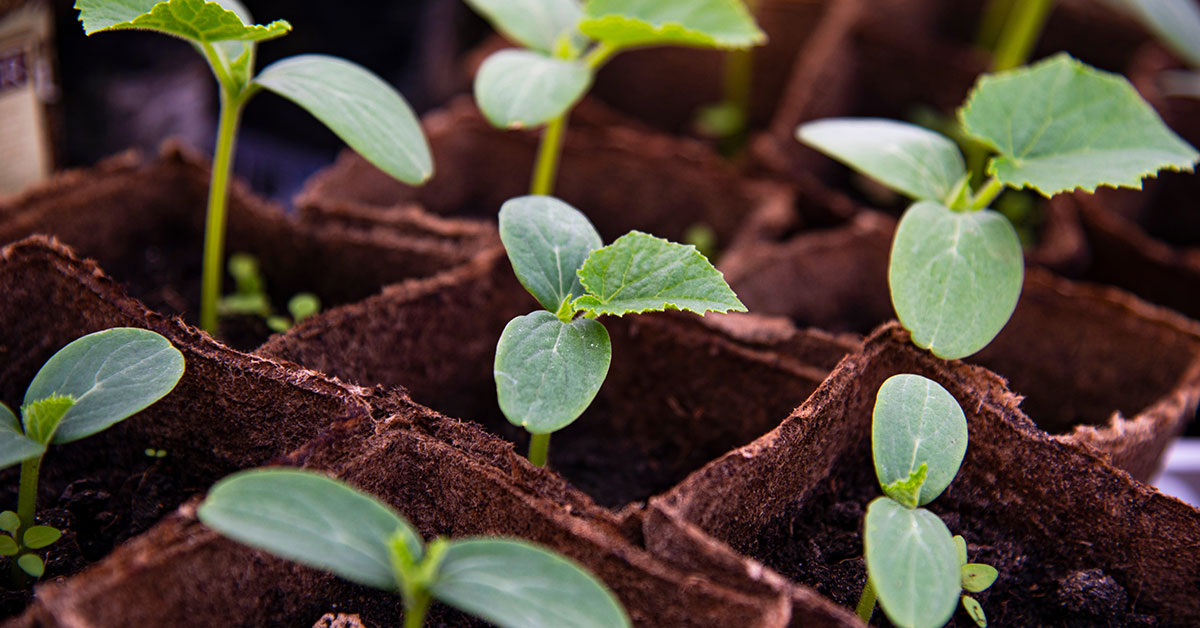

Planting cucumbers in Minnesota requires careful consideration of the state’s unique climate and growing conditions. In this article, we will guide you through the best time to plant cucumbers in Minnesota, ensuring a successful and bountiful harvest.
Whether you’re a seasoned gardener or just starting out, our expert tips and advice will help you make the most of your cucumber-growing journey.
Best cucumber varieties for Minnesota
In Minnesota, where the growing season may be shorter and the weather can be unpredictable, it’s important to choose cucumber varieties that are more suitable for the region. Here are some good cucumber varieties for Minnesota:
- Marketmore 76: This is a popular variety for cooler climates. It produces dark green cucumbers that are about 8-9 inches long. Marketmore 76 has good disease resistance and is known for its excellent flavor.
- Bush Champion: If you have limited space or prefer growing cucumbers in containers, Bush Champion is a great choice. This compact bush variety produces a high yield of tasty cucumbers, and it doesn’t require a trellis for support.
- Northern Pickling: As the name suggests, Northern Pickling is an excellent choice for making pickles. It is a disease-resistant variety that produces small to medium-sized cucumbers with a crisp texture, ideal for pickling.
- Diva: Diva cucumbers are known for their excellent flavor and thin, non-bitter skin. They are also seedless, making them perfect for eating fresh or adding to salads. Diva cucumbers have good disease resistance and can thrive in cooler climates.
- Straight Eight: Straight Eight is a classic cucumber variety that performs well in Minnesota. It produces uniform, straight cucumbers that are about 8 inches long. Straight Eight is known for its productivity and disease resistance.
Remember to provide your cucumber plants with adequate sunlight, well-draining soil, and regular watering for optimal growth.
When to plant Cucumbers in Minnesota
Minnesota is located in the northern region of the United States, and its climate is characterized as cold and humid. The state is divided into four hardiness zones: Zone 2a, Zone 3a, Zone 3b, and Zone 4a. These hardiness zones are determined based on the average annual minimum temperature and help gardeners determine which plants are most likely to thrive in their area.
When it comes to planting cucumbers in Minnesota, it is important to consider the specific hardiness zone you are in. Cucumbers are warm-season vegetables that require a relatively long growing season with warm temperatures. In Minnesota, the best time to plant cucumbers is after the last frost date, which varies depending on the specific zone.
In Zone 2a, which experiences the coldest temperatures in Minnesota, the last frost date typically occurs around late May to early June. It is advisable to wait until the soil has warmed up and the risk of frost has passed before planting cucumbers in this zone. This is usually around early to mid-June.
In Zone 3a and 3b, the last frost date is generally in late May to early June. Similar to Zone 2a, it is recommended to wait until after the last frost before planting cucumbers. This means planting them around early to mid-June.
In Zone 4a, which has relatively milder temperatures compared to the northern zones, the last frost date occurs in mid to late May. In this zone, you can start planting cucumbers a bit earlier, around late May to early June.
To ensure successful cucumber growth, it is important to provide them with full sun exposure and well-drained soil. Cucumbers also thrive in fertile soil rich in organic matter. Proper watering and regular fertilization are also essential for healthy cucumber plants.
It is worth noting that these timeframes are general guidelines, and it is always a good idea to consult local gardening resources or experienced gardeners in your area for more specific information. Additionally, weather conditions can vary from year to year, so it is crucial to monitor the local weather forecasts and adjust planting times accordingly.
When to harvest
In Minnesota, the optimal time to harvest cucumbers typically falls between mid-July and early September. However, the exact timing can vary depending on the specific cucumber variety you are growing and the prevailing weather conditions. Here are a few indicators to help you determine when to harvest your cucumbers:
- Size: Most cucumber varieties are best harvested when they reach a length of about 6-8 inches (15-20 cm). At this size, they are usually tender and have a good flavor. However, some varieties are meant to be picked smaller for pickling purposes, so be sure to check the specific recommendations for your chosen variety.
- Color: Cucumbers are typically harvested when they are uniformly green. Avoid picking cucumbers that have turned yellow or have a dull appearance, as these may be overripe and have a bitter taste.
- Texture: Gently press your finger against the cucumber’s skin. If it feels firm but slightly yielding, it is likely ready for harvest. Cucumbers that feel soft or have a wrinkled appearance may be overripe.
- Regular Harvesting: It is important to harvest cucumbers regularly, every 1-2 days during peak season. This encourages the plant to produce more fruit and prevents the cucumbers from becoming too large and seedy.
Remember that these are general guidelines, and the specific maturity indicators may vary depending on the cucumber variety you are cultivating. Always refer to the seed packet or consult local gardening resources for more precise information.
Other considerations for growing cucumbers in Minnesota
When growing cucumbers in Minnesota, there are several additional considerations to keep in mind:
- Climate: Minnesota has a relatively short growing season, so it’s important to choose cucumber varieties that have a shorter maturity period. Opt for early-maturing varieties that can withstand cooler temperatures.
- Soil: Cucumbers prefer well-drained soil with a pH level between 6.0 and 7.0. Before planting, amend the soil with organic matter such as compost to improve its fertility and drainage.
- Sunlight: Cucumbers thrive in full sun, so select a location in your garden that receives at least 6-8 hours of direct sunlight per day.
- Planting: Wait until all danger of frost has passed before planting cucumbers outdoors. Start seeds indoors 2-3 weeks before the last frost date, or directly sow seeds in the garden once the soil has warmed up to around 60°F (15°C).
- Trellising: Consider using trellises or stakes to support your cucumber plants. This helps save space in the garden and improves airflow around the plants, reducing the risk of diseases.
- Watering: Cucumbers require consistent moisture to thrive. Water them regularly, providing about 1-2 inches of water per week. Be careful not to overwater, as it can lead to root rot or other fungal diseases.
- Fertilization: Apply a balanced fertilizer or compost to the soil before planting. Additionally, side-dress the plants with nitrogen-rich fertilizer halfway through the growing season to promote healthy growth.
- Pest and disease management: Keep an eye out for common cucumber pests such as cucumber beetles, aphids, and spider mites. Regularly inspect your plants and take appropriate measures, such as using organic insecticides or employing companion planting techniques to deter pests.
- Harvesting: Harvest cucumbers when they reach the desired size, typically around 6-8 inches in length. Regularly picking mature cucumbers encourages the plant to produce more fruits.
- Crop rotation: To reduce the risk of disease buildup in the soil, avoid planting cucumbers in the same location year after year. Rotate the crop with other vegetables from different plant families.
By considering these factors, you can increase your chances of successfully growing cucumbers in Minnesota’s climate.