
If you’re a Louisiana gardener looking to add some crisp and refreshing cucumbers to your harvest this year, timing is everything. Cucumbers are warm-season vegetables that thrive in the balmy climate of the Pelican State. However, planting them at the wrong time can lead to poor yields or even crop failure.
To maximize your cucumber production and enjoy an abundance of juicy, homegrown cucumbers, it’s essential to understand the best time to plant them in Louisiana.
We will talk about the optimal planting dates, taking into account the unique climate and growing conditions in the state, as well as sharing valuable tips to ensure a successful cucumber-growing season.
Best varieties of cucumbers to grow in Louisiana
In Louisiana, cucumbers grow best in warm weather and require full sun and well-drained soil. Here are some recommended cucumber varieties that perform well in Louisiana:
- Straight Eight: This is a popular variety that produces straight, dark green cucumbers. It is known for its excellent flavor and high yield.
- Marketmore: Marketmore cucumbers are known for their smooth skin and crisp, refreshing taste. They are great for fresh eating or pickling.
- Ashley: Ashley cucumbers are disease-resistant and suited for hot and humid climates like Louisiana. They produce high yields of dark green, slender cucumbers.
- Arkansas Little Leaf: This variety is particularly suitable for Louisiana’s hot and humid conditions. It has smaller leaves, making it less susceptible to diseases and pests.
- Diva: Diva cucumbers are known for their thin, tender skin and sweet flavor. They are resistant to common cucumber diseases and are great for slicing or pickling.
- Homemade Pickles: As the name suggests, this variety is excellent for making pickles. It produces small to medium-sized cucumbers with a crisp texture and excellent flavor.
Remember to provide adequate support for your cucumber plants, such as trellises or cages, to encourage proper growth and help prevent disease. Additionally, regular watering and fertilization are essential to ensure healthy cucumber plants and abundant harvests.
When to plant Cucumbers in Louisiana
In Louisiana, the hardiness zones range from 8a to 9a, as established by the United States Department of Agriculture (USDA). These zones are based on the average minimum winter temperatures experienced in different regions. Understanding your hardiness zone is crucial for successful gardening, as it helps determine the plants that are best suited for your specific climate.
Cucumbers are warm-season vegetables that thrive in Louisiana’s hot and humid conditions. The best time to plant cucumbers in this state is during the spring when the soil has warmed up and the danger of frost has passed. In Louisiana, this typically falls between late March and early May, depending on the specific location.
Before planting cucumbers, it is important to prepare the soil properly. Cucumbers prefer well-draining soil with a pH level between 6.0 and 7.0. Incorporating organic matter, such as compost or aged manure, into the soil will help improve its fertility and drainage capability.
When planting cucumbers, you have two options: direct seeding or transplanting seedlings. Direct seeding involves planting cucumber seeds directly into the garden bed, while transplanting involves starting the seeds indoors and moving the seedlings into the garden later.
If you choose to direct seed, sow cucumber seeds to a depth of around 1 inch and space them 12 to 24 inches apart, depending on the variety. It’s important to provide trellises or supports for vining cucumber varieties to ensure proper growth and prevent them from sprawling on the ground.
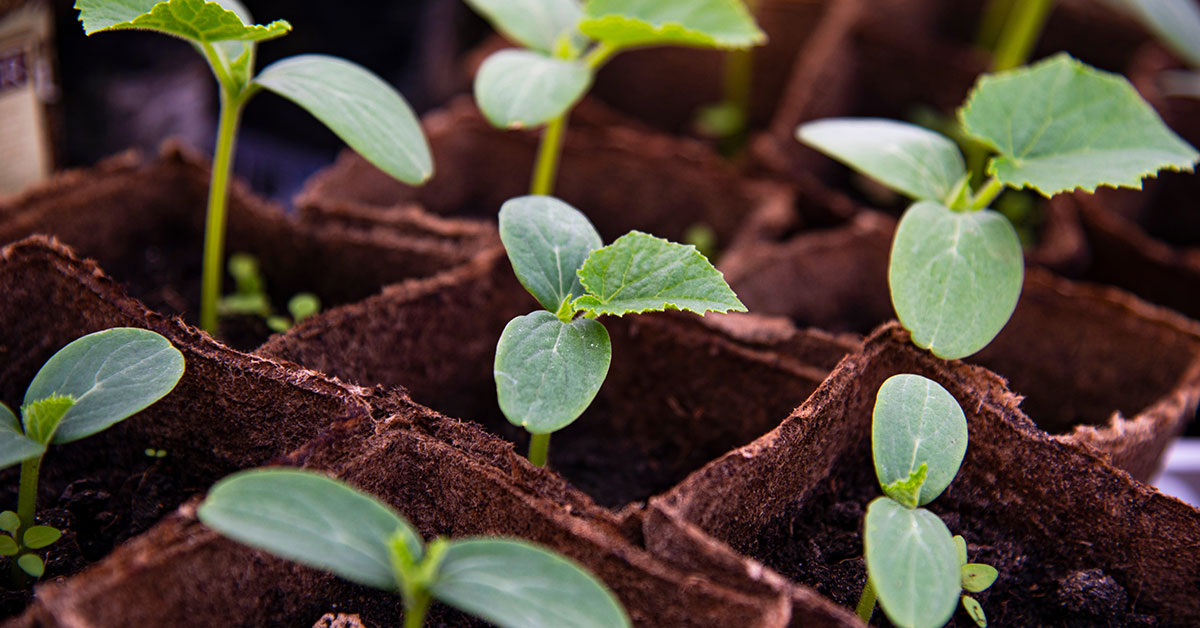
If you decide to transplant seedlings, start cucumber seeds indoors about 3 to 4 weeks before the last expected frost date. Once the seedlings have grown to a height of 3 to 4 inches, they can be safely transplanted into the garden, following the same spacing recommendations as for direct seeding.
Cucumbers require consistent moisture to thrive, so regular watering is essential. Aim to provide about 1 inch of water per week, either through rainfall or irrigation. Mulching around the base of the plants can help conserve moisture and suppress weed growth.
Keep in mind that cucumbers are susceptible to various pests and diseases. Regularly inspect your plants for signs of damage or infestation, such as cucumber beetles or powdery mildew. Applying organic or chemical controls, if necessary, can help protect your crop.
Harvesting cucumbers can typically begin around 50 to 70 days after planting, depending on the variety. Harvest them when they reach the desired size, usually around 6 to 8 inches for slicing cucumbers. Regularly picking the ripe cucumbers will encourage the plant to produce more fruit.
When to harvest cucumbers in Louisiana
The optimal time to harvest cucumbers in Louisiana is typically when they are fully matured but still firm and before they become overripe. This usually occurs between 50-70 days after planting, depending on the cucumber variety.
Check the specific instructions on the seed packet or plant tag for more accurate timing. Additionally, cucumbers are best harvested when they reach a length of 6-8 inches. Although this may vary depending on personal preference and the intended use of the cucumbers. Regularly inspecting your cucumber plants for mature fruits is important to prevent overripening and ensure a continuous harvest throughout the growing season.
Other considerations
When growing cucumbers in Louisiana, there are several additional considerations to keep in mind:
- Heat and humidity: Louisiana has a hot and humid climate, which can be challenging for cucumber plants. Be sure to choose cucumber varieties that are suitable for warm climates and have good resistance to heat and humidity.
- Sun exposure: Cucumbers require full sun to thrive. Select a location in your garden that receives at least 6-8 hours of direct sunlight per day.
- Soil preparation: Prior to planting cucumbers, prepare the soil by adding organic matter such as compost or well-rotted manure. This will help improve soil fertility, drainage, and water retention.
- Watering: Cucumbers need consistent moisture to grow well. In Louisiana’s hot climate, they may require more frequent watering, especially during dry spells. Avoid overwatering, as it can lead to fungal diseases. Consider using a soaker hose or drip irrigation system to deliver water directly to the plant’s roots.
- Pest management: Keep an eye out for common cucumber pests such as aphids, cucumber beetles, and spider mites. Regularly inspect your plants and take appropriate measures, such as using organic insecticides or introducing beneficial insects like ladybugs or lacewings.
- Disease control: Cucumbers are susceptible to diseases like powdery mildew, downy mildew, and bacterial wilt. To prevent the spread of diseases, practice good garden hygiene by removing infected plants and debris, spacing plants properly for good air circulation, and avoiding overhead watering.
- Trellising: Growing cucumbers on trellises or supports can help save space and improve air circulation around the plants, reducing the risk of diseases. It also makes harvesting easier and keeps the fruits clean and straight.
- Harvesting: Harvest cucumbers when they reach their desired size and before they become overripe. Regular picking encourages the plant to produce more cucumbers and prevents them from becoming bitter or seedy.
By considering these factors, you can increase your chances of successfully growing cucumbers in Louisiana’s unique climate.