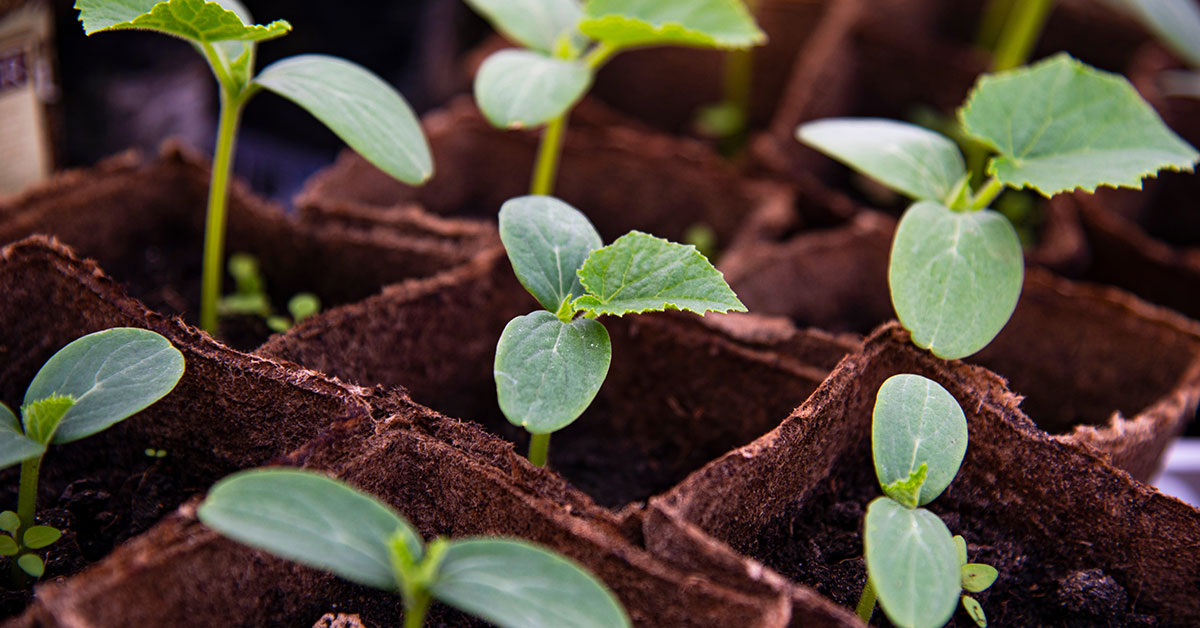

While cucumbers can be a delightful addition to any garden, it’s important to know the best time to plant them in Illinois to ensure a successful and bountiful harvest. In this article, we will explore the ideal planting time for cucumbers in Illinois, taking into consideration the state’s climate and growing conditions. Whether you’re a seasoned gardener or a beginner, get ready to learn all about the best time to sow those cucumber seeds and enjoy the fruits of your labor in no time.
Best varieties of cucumbers for Illinois gardens
There are several cucumber varieties that perform well in Illinois. Here are a few recommendations:
- Marketmore 76: This is a popular variety that is well-suited for Illinois. It produces dark green cucumbers with excellent flavor and is resistant to many common cucumber diseases.
- Straight Eight: Another reliable variety, Straight Eight produces uniform, straight cucumbers that are great for slicing. It has a crisp texture and is known for its excellent taste.
- Armenian: Also known as “Snake” or “Serpent” cucumbers, Armenian cucumbers have a unique, elongated shape and a thin skin. They are known for their mild, sweet flavor and are great for fresh eating or pickling.
- Burpless: If you prefer seedless cucumbers, Burpless varieties are a good choice. They have a thin skin, sweet flavor, and are virtually seedless, making them perfect for salads and snacking.
- Lemon Cucumber: These small, round cucumbers resemble lemons in appearance and have a mild, refreshing taste. They are great for fresh eating and pickling.
Remember to consider the specific growing conditions in your area and choose cucumber varieties that are disease-resistant and suited for your preferred use (slicing, pickling, etc.).
When to plant Cucumbers in Illinois
In Illinois, the state’s hardiness zones range from Zone 5b in the northernmost areas to Zone 7a in the southernmost parts. These hardiness zones are crucial when it comes to determining the best time to plant various vegetables, including cucumbers.
Cucumbers are warm-season crops that thrive in temperatures between 70°F and 95°F (21°C – 35°C). They are highly sensitive to cold temperatures and frost, which means it is important to wait until the danger of frost has passed before planting them outdoors.
In Illinois, the average last frost date typically ranges from mid-April to late May, depending on the specific region. We recommend waiting until after the last frost date before planting cucumbers directly in the ground.
If you prefer to start cucumbers indoors and then transplant them, you can begin the process 2-4 weeks before the last frost date. This will give the seedlings enough time to develop and become strong before being moved outdoors.
When planting cucumbers, it is essential to keep in mind their preference for warm soil. Soil temperatures should be at least 60°F (15°C) for optimal growth. To achieve this, you can use black plastic mulch to warm the soil or wait until the weather has consistently warmed up in late spring or early summer.
In Illinois, the ideal time to plant cucumbers directly in the ground or transplant seedlings outdoors is usually from late May to early June. By this time, the soil is warm, and the risk of frost is minimal.
It’s worth noting that cucumbers require well-draining soil, full sun exposure, and regular watering. They also benefit from the use of trellises or supports to keep the vines off the ground and allow for better airflow. By following these guidelines and planting at the appropriate time, you can enjoy a bountiful cucumber harvest in Illinois.
When to harvest cucumbers in Illinois
The optimal time to harvest cucumbers in Illinois is typically when they reach a length of 6 to 8 inches and have a firm texture. This usually occurs about 50 to 70 days after planting, depending on the cucumber variety and growing conditions. It’s important to regularly check your cucumber plants for mature fruits. Leaving them on the vine for too long can result in overripe cucumbers with a bitter taste. Harvesting cucumbers early and often encourages the plant to produce more fruit throughout the season.
Other considerations
When growing cucumbers in Illinois, there are a few additional considerations to keep in mind:
- Temperature: Cucumbers are warm-season crops that thrive in temperatures between 70-85°F (21-29°C). In Illinois, it is important to wait until after the last frost date to plant cucumbers as they are sensitive to cold temperatures. You can start seeds indoors 2-3 weeks before the last frost date to give them a head start.
- Sunlight: Cucumbers require a minimum of 6-8 hours of direct sunlight daily to grow and produce a good harvest. Ensure that your cucumber plants are placed in a location where they receive ample sunlight throughout the day.
- Soil: Cucumbers prefer well-draining, fertile soil with a pH level between 6.0-7.0. Before planting, prepare the soil by incorporating organic matter such as compost or well-rotted manure to improve its fertility and drainage. Raised beds or mounds can also be beneficial for drainage in areas with heavy clay soil.
- Watering: Cucumbers have shallow roots, so consistent and adequate watering is crucial. Aim to keep the soil evenly moist, but not waterlogged. Avoid overhead watering, if possible, as wet foliage can increase the risk of fungal diseases. Water at the base of the plants using a drip irrigation system or soaker hose.
- Trellising: While not mandatory, trellising cucumbers can be beneficial. It helps save space, promotes better airflow around the plants, and reduces the risk of disease. Additionally, growing cucumbers vertically can make it easier to harvest. Install a trellis or provide a sturdy support structure for the vines to climb.
- Pest and Disease Management: Cucumbers can be susceptible to pests like cucumber beetles, aphids, and spider mites. Regularly inspect your plants for signs of infestation. Take appropriate measures such as handpicking pests or using organic insecticides if necessary. Also, keep an eye out for common cucumber diseases like powdery mildew, bacterial wilt, and downy mildew. Crop rotation, proper spacing, and good airflow can help prevent the spread of diseases.
- Pollination: Cucumbers require pollination to produce fruit. In some cases, pollination can be impacted by environmental factors or the presence of certain pesticides. To ensure good pollination, you can hand-pollinate the flowers by transferring pollen from male flowers to female flowers using a small brush or simply allowing bees and other pollinators to do the job.
By considering these factors and providing proper care, you should be able to grow healthy and productive cucumber plants in Illinois.