
If you’re thinking about planting cucumbers in Idaho, you’re in for a treat. These crisp, refreshing vegetables are not only delicious in salads and sandwiches but also relatively easy to grow.
However, timing is everything when it comes to planting cucumbers, as they thrive in warm weather. We will discuss the best time to plant cucumbers in Idaho, taking into consideration the state’s unique weather patterns and potential frost dates.
Best varieties of Cucumbers for Idaho
In Idaho, there are several cucumber varieties that perform well in the region’s climate. Here are a few recommendations:
- Marketmore 76: This is a popular variety that produces dark green, straight cucumbers. It is known for its resistance to common cucumber diseases and is well-suited for slicing or pickling.
- Lemon Cucumber: This unique variety produces small, round cucumbers that resemble lemons. They have a mild, sweet flavor and are excellent for fresh eating or pickling.
- Straight Eight: As the name suggests, this variety produces straight, uniform cucumbers. They have a crisp texture and are great for slicing or salads. Straight Eight cucumbers are also known for their high productivity.
- Armenian Cucumber: Despite its name, the Armenian cucumber is actually a melon-like cucumber. It has a light green skin and can grow quite long. The flesh is crisp and mild, making it perfect for salads or snacking.
- Bush Champion: If you have limited space, the Bush Champion cucumber is a great option. It is a compact, bushy variety that doesn’t require trellising. The cucumbers are small to medium-sized and have a sweet flavor.
Remember to consider your specific growing conditions, such as sunlight and soil type, when selecting cucumber varieties. Additionally, ensure you provide proper care, including consistent watering and pest control, to maximize your cucumber harvest.
When to plant Cucumbers in Idaho
Idaho, being a state with diverse climate conditions, is divided into different hardiness zones. These zones are based on the average annual minimum temperature and help gardeners determine which plants are best suited for their specific region.
In Idaho, there are primarily four hardiness zones:
- Zone 3: This zone covers the northern part of Idaho, including areas like Bonners Ferry and Sandpoint. It experiences extremely cold winters, with temperatures dropping to -30°F (-34°C).
- Zone 4: This zone covers a large part of central Idaho, including cities like Boise, Twin Falls, and Sun Valley. Winters here are cold, with temperatures ranging from -20°F (-29°C) to -30°F (-34°C).
- Zone 5: This zone covers the southern part of Idaho, including cities like Pocatello and Idaho Falls. Winters in this zone are relatively milder, with temperatures ranging from -10°F (-23°C) to -20°F (-29°C).
- Zone 6: This zone covers a small part of Idaho, including the city of Lewiston. The winters here are mild, with temperatures ranging from 0°F (-18°C) to -10°F (-23°C).
Now, let’s talk about the best time to plant cucumbers in Idaho. Cucumbers are warm-season vegetables that thrive in temperatures between 70°F (21°C) and 95°F (35°C). They require well-draining soil, full sun exposure, and a frost-free period to grow successfully.
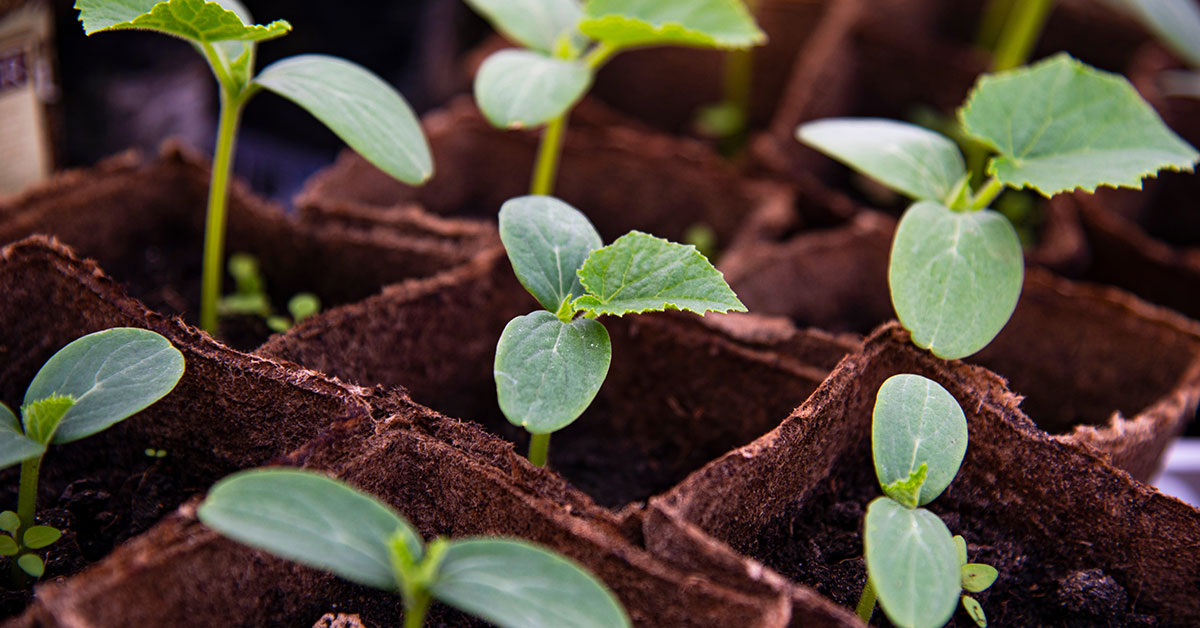
In most parts of Idaho, it is recommended to start cucumbers indoors 3-4 weeks before the last frost date. This allows the seedlings to establish strong roots before being transplanted outdoors. The last frost date in Idaho varies depending on the specific location and hardiness zone.
For Zone 3, which experiences very cold winters, it is generally safe to transplant cucumber seedlings outdoors around late May or early June when the soil has warmed up sufficiently and the risk of frost has passed.
In Zones 4 and 5, where winters are cold but not as extreme, cucumbers can be transplanted outdoors in late May or early June as well.
In Zone 6, which has milder winters, cucumbers can be started indoors in mid-April and transplanted outdoors around late May or early June.
It’s important to monitor the weather and adjust planting times accordingly, as weather patterns can vary from year to year. Additionally, you can also extend the growing season by using row covers or protective structures to provide additional warmth and extend the harvest period.
Remember to check the specific frost dates for your local area and adjust your planting schedule accordingly. Happy gardening!
When to harvest cucumbers in Idaho
The optimal time to harvest cucumbers in Idaho is typically from mid to late summer. Cucumbers thrive in warm weather, so it’s important to wait until the plants have had enough time to grow and develop before picking the fruits.
In general, you should look for mature cucumbers that are firm, have a deep green color, and are about 6-8 inches long. However, it’s important to note that this can vary depending on the specific variety of cucumber you are growing. Some varieties are meant to be picked when they are smaller, while others are best when they reach a larger size.
Regularly check your cucumber plants for ripe cucumbers, and harvest them as soon as they reach the desired size and color. Leaving cucumbers on the vine for too long can result in overripening, which can make them bitter and less enjoyable to eat.
Other considerations
When growing cucumbers in Idaho, there are a few additional considerations to keep in mind:
- Climate: Idaho’s climate can vary across different regions, so it’s important to choose cucumber varieties that are suitable for your specific microclimate. Cucumbers thrive in warm temperatures, so make sure to plant them after the danger of frost has passed and the soil has warmed up to at least 60°F (15°C).
- Sunlight: Cucumbers require plenty of sunlight to grow and produce fruit. Select a location in your garden that receives full sun for at least 6-8 hours a day.
- Soil: Cucumbers prefer well-draining soil with a pH level between 6.0 and 7.0. Prepare the soil by adding organic matter, such as compost or well-rotted manure, to improve its fertility and structure. A good drainage system is crucial to avoid waterlogged soil, which can lead to root rot.
- Watering: Cucumbers need consistent moisture to grow, especially during hot summer months. Regularly water the plants, aiming to keep the soil evenly moist but not waterlogged. Mulching around the base of the plants can help retain moisture and reduce weed growth.
- Trellising: Consider using trellises or stakes to support your cucumber plants. This not only saves space but also improves air circulation around the foliage, reducing the risk of diseases. It also keeps the cucumbers off the ground, preventing rot and making them easier to harvest.
- Pest and disease management: Like most vegetables, cucumbers are susceptible to certain pests and diseases. Keep an eye out for common cucumber pests such as aphids, cucumber beetles, and spider mites. Regularly inspect the plants for signs of disease, like powdery mildew or bacterial wilt, and take appropriate measures, such as using organic pest control methods or disease-resistant varieties.
- Pollination: Cucumbers require pollination to set fruit. If you notice a lack of bees or other pollinators in your area, you can hand-pollinate the flowers by transferring pollen from the male flowers to the female flowers using a small brush or cotton swab.
By considering these factors and providing the necessary care, you can enjoy a bountiful cucumber harvest in your Idaho garden.