
If you’re a gardening enthusiast in Connecticut, you may be wondering when is the best time to plant cucumbers and ensure a bountiful harvest.
Cucumbers are warm-season vegetables that thrive in sunny and consistently warm conditions. As Connecticut experiences a temperate climate with cool springs and hot summers, it is essential to understand the specific timing for planting cucumbers to maximize their growth and productivity.
We will discuss the ideal time to plant cucumbers in Connecticut, taking into consideration frost dates, soil temperature, and other important factors that contribute to a successful cucumber crop.
What are good varieties for Cucumbers in Connecticut?
There are several varieties of cucumbers that grow well in Connecticut’s climate. Here are a few popular choices:
- Burpless: This variety is known for its crisp texture and sweet flavor. It is seedless and has thin skin, making it great for salads and fresh eating.
- Marketmore: Marketmore cucumbers are a classic choice for Connecticut gardeners. They have dark green skin and a deliciously mild flavor. They are also disease-resistant and produce high yields.
- Straight Eight: As the name suggests, Straight Eight cucumbers are long and straight, perfect for slicing. They have a refreshing taste and are great for pickling or eating fresh.
- Armenian: Armenian cucumbers, also known as yard-long cucumbers, are unique in shape and taste. They have a mild, sweet flavor and can grow up to two feet long. They are delicious in salads or used as a healthy snack.
- Lemon Cucumber: Lemon cucumbers are small, round cucumbers that resemble lemons in appearance. They have a sweet, tangy flavor and are excellent for pickling or eating fresh.
These varieties should do well in Connecticut’s climate, but it’s always a good idea to check with your local nursery or extension office for specific recommendations based on your location.
When to plant Cucumbers in Connecticut
Connecticut is located in USDA hardiness zones 5 and 6. These zones indicate the average minimum winter temperatures in the region, which are important factors to consider when choosing plants for your garden. Zone 5 has minimum temperatures ranging from -20 to -10 degrees Fahrenheit (-28.9 to -23.3 degrees Celsius), while Zone 6 has minimum temperatures ranging from -10 to 0 degrees Fahrenheit (-23.3 to -17.8 degrees Celsius).
When it comes to planting cucumbers in Connecticut, it is essential to consider the average last frost date in your specific area. Cucumbers are frost-sensitive plants, so it’s crucial to wait until all danger of frost has passed before planting them outdoors. In Connecticut, the average last frost date typically falls between mid-April to early May in Zone 6, and around late April to early May in Zone 5. However, it’s always a good idea to consult with your local agricultural extension service or check with experienced local gardeners to get more accurate information for your specific location.
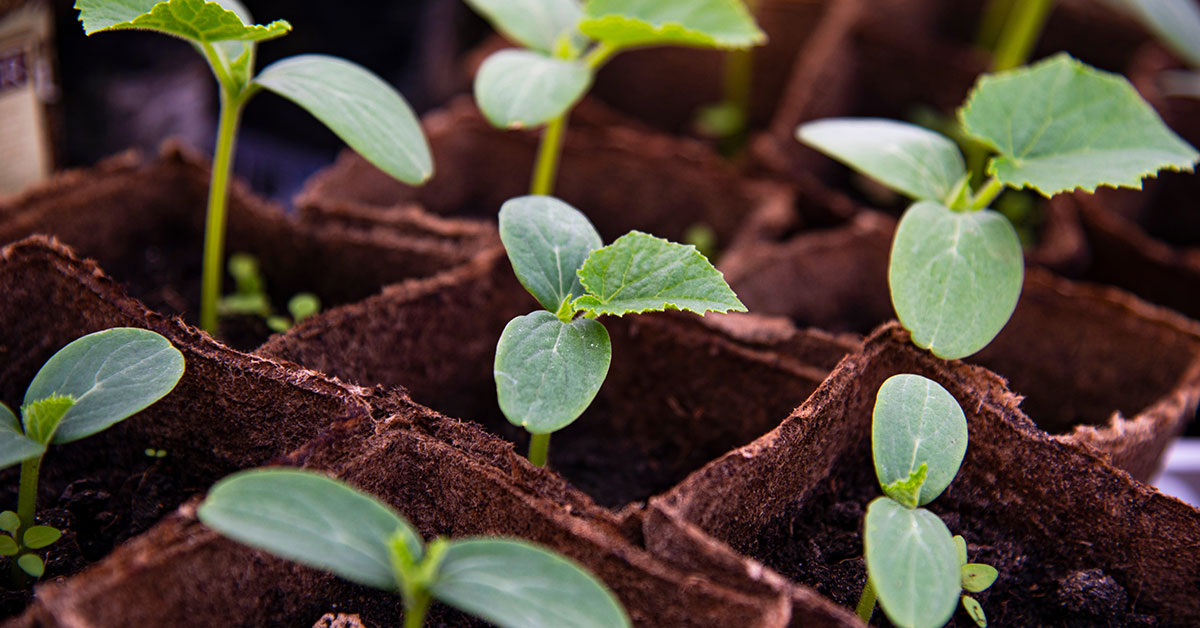
Cucumbers thrive in warm temperatures and require well-drained soil rich in organic matter. It is recommended to start cucumber seeds indoors about 3-4 weeks before the last frost date. Use peat pots or seed trays filled with seed-starting mix, and keep them in a warm, well-lit area until the seedlings are ready to be transplanted. Harden off the seedlings by gradually exposing them to outdoor conditions, and then transplant them into your garden after the last frost date.
Alternatively, if you prefer to sow cucumber seeds directly in the garden, wait until the soil temperature reaches around 60 to 70 degrees Fahrenheit (15.6 to 21.1 degrees Celsius), which typically occurs a few weeks after the last frost. Warm the soil by using black plastic mulch or row covers to promote faster germination and growth.
Cucumbers thrive in full sun, so choose a location in your garden that receives at least 6-8 hours of direct sunlight each day. Provide them with a trellis or support structure to keep the vines off the ground, which helps promote better air circulation and reduces the risk of disease.
Regular watering is essential for cucumbers to maintain steady growth and prevent bitterness in the fruit. Water deeply, providing around 1 inch of water per week, preferably in the morning to allow the foliage to dry before evening.
By following these guidelines and considering your specific zone and local climate, you should be able to grow healthy and productive cucumber plants in Connecticut. Happy gardening!
When to harvest cucumbers in Connecticut
The optimal time to harvest cucumbers in Connecticut is typically from late June to early September. However, this can vary depending on the specific variety of cucumber you are growing and the weather conditions throughout the growing season. It’s best to monitor the progress of your cucumbers and harvest them when they are firm, crisp, and have reached their desired size. Regularly check on your plants and harvest any cucumbers that have reached maturity to encourage continued production.
Other considerations
In addition to the basic requirements for growing cucumbers, there are a few specific considerations for growing them in Connecticut:
- Climate: Connecticut has a temperate climate, with cool springs and hot summers. Cucumbers prefer warm weather, so it’s important to wait until the last frost date has passed before planting them outdoors. You can start seeds indoors a few weeks before the last frost to get a head start.
- Soil: Cucumbers thrive in well-draining soil that is rich in organic matter. Before planting, amend the soil with compost or well-rotted manure to improve its fertility and drainage. A pH level between 6 and 7 is ideal for cucumbers.
- Sunlight: Cucumbers need at least 6-8 hours of direct sunlight daily. Choose a sunny spot in your garden or provide supplemental light if necessary.
- Watering: Cucumbers have high water requirements, especially during hot summer months. They need consistent moisture, so it’s important to water them deeply and regularly. Mulching around the plants can help retain moisture and reduce weed competition.
- Trellising: Consider trellising or supporting your cucumber plants. This will help keep the fruits off the ground, prevent rot, and save space in your garden. It also improves air circulation, reducing the risk of diseases like powdery mildew.
- Planting and spacing: Cucumbers can be grown directly in the ground or in containers. If planting in the ground, space the plants about 12-24 inches apart, depending on the variety. If using containers, choose ones that are at least 12 inches deep and wide.
- Pests and diseases: Common pests that can affect cucumbers in Connecticut include cucumber beetles, aphids, and spider mites. Regular inspection and preventive measures like row covers and insecticidal soaps can help control these pests. Cucumbers are also susceptible to diseases like powdery mildew, downy mildew, and bacterial wilt. Proper spacing, good air circulation, and avoiding overhead watering can help prevent these diseases.
- Harvesting: Cucumbers are usually ready for harvest 50-70 days after planting, depending on the variety. Harvest them when they are firm and have reached the desired size. Regularly picking the cucumbers will encourage the plant to produce more fruits.
By considering these factors, you can increase your chances of a successful cucumber harvest in Connecticut.