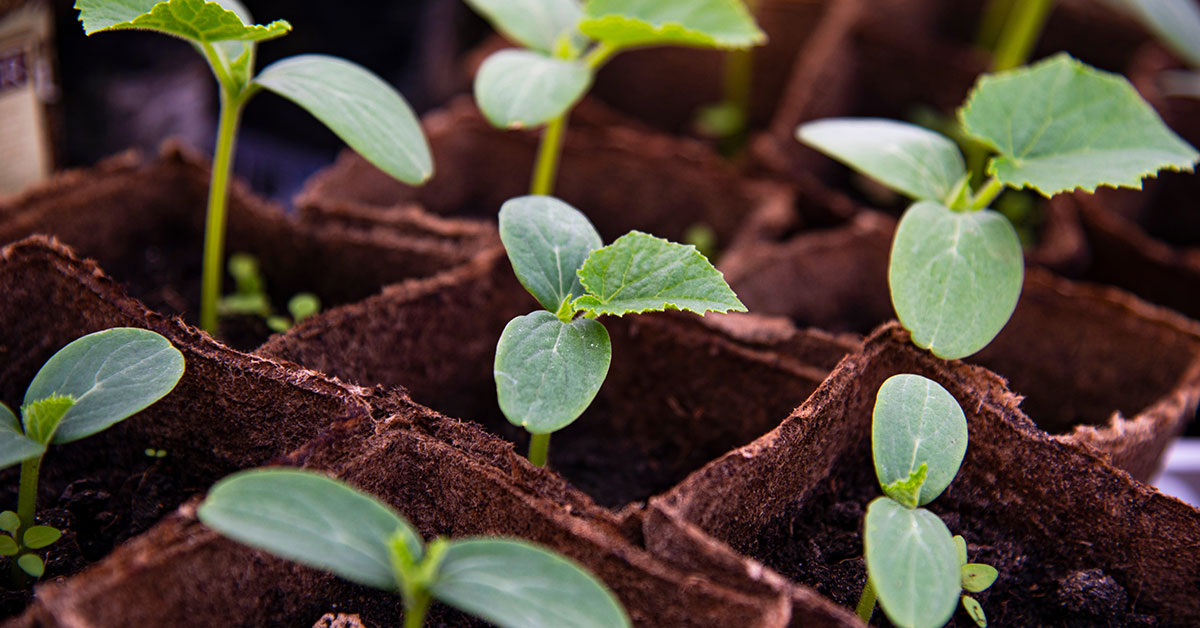

If you’re an avid gardener in Arkansas looking to grow your own cucumbers, timing is everything. Cucumbers are warm-season vegetables that thrive in the hot and humid climate of the Natural State.
However, planting them at the wrong time can lead to stunted growth, poor fruit production, and increased susceptibility to pests and diseases. To ensure success in your cucumber garden, it is crucial to understand the best time to plant cucumbers in Arkansas.
We will explore the ideal planting window, taking into account frost dates, soil temperature, and other important factors that will help you maximize your cucumber harvest.
Best varieties of cucumber to grow in Arkansas
In Arkansas, you have a few good options for cucumber varieties that perform well in the local growing conditions. Here are some varieties to consider:
- Arkansas Little Leaf: This variety is particularly well-suited for Arkansas’s hot and humid summers. It produces small, pickling-sized cucumbers that are great for making pickles.
- Straight Eight: A classic slicing cucumber variety, the Straight Eight is known for its straight, uniform shape and crisp texture. It is a reliable and productive variety.
- Marketmore 76: This is another popular slicing cucumber variety that does well in Arkansas. It produces dark green, smooth-skinned cucumbers that are great for fresh eating.
- Lemon Cucumber: If you’re looking for something a bit different, try growing lemon cucumbers. These small, round cucumbers have a bright yellow color and a mild, sweet flavor. They make for an interesting addition to salads and can be eaten fresh or pickled.
- Homemade Pickles: As the name suggests, this variety is ideal for making homemade pickles. It produces small to medium-sized cucumbers with crisp texture and excellent flavor.
Remember to consider your specific growing conditions, such as available space, sunlight, and soil type when selecting cucumber varieties.
When to plant Cucumbers in Arkansas
In Arkansas, the state’s hardiness zones range from 6a to 8a. These zones are determined by the average annual minimum temperature and are essential in guiding gardeners on which plants are most likely to thrive in their specific region.
When it comes to planting cucumbers, it is important to consider both the hardiness zone and the average last frost date in your area. Cucumbers are warm-season plants that require a frost-free growing season to flourish.
In Arkansas, the best time to plant cucumbers is typically in late spring or early summer, after the last frost has passed. The average last frost dates in Arkansas can vary between mid-March in the southernmost regions to late April in the northern parts of the state.
To determine the exact planting time for cucumbers in your specific area, it is advisable to consult the local agricultural extension office or use online resources that provide specific frost dates based on your zip code. These resources will help you pin down the optimal planting time to ensure the success of your cucumber plants.
Furthermore, it is important to consider the specific variety of cucumber you plan to grow. Some cucumber varieties are more cold-tolerant, while others thrive in warmer temperatures. Select a variety that suits your region’s climate and is recommended for your hardiness zone.
In addition to timing, it is crucial to provide cucumbers with proper care and conditions for optimal growth. They prefer well-drained soil, full sun exposure, and consistent moisture. Adequate spacing is also essential to ensure good air circulation and prevent the spread of diseases.
By following these guidelines and considering your specific hardiness zone and last frost date, you can successfully plant cucumbers in Arkansas and enjoy a bountiful harvest of this refreshing vegetable.
When to harvest cucumbers in Arkansas
The optimal time to harvest cucumbers in Arkansas is typically between late June and early September. Cucumbers are warm-season crops that thrive in temperatures between 70°F and 90°F. They require a minimum of 50-60 days from planting to harvest.
To determine if cucumbers are ready for harvest, look for the following signs:
- Size and color: Cucumbers should be around 6-8 inches in length (depending on the variety) and have a vibrant green color. Avoid harvesting them if they are small, pale, or yellowish.
- Firmness: Gently squeeze the cucumber; it should feel firm but not hard. Overripe cucumbers tend to become soft and develop a yellow hue.
- Skin texture: The skin should be smooth and free from blemishes or scars. Avoid cucumbers that have wrinkled or rough skin.
- Harvesting frequency: Harvest cucumbers regularly to encourage continuous production. Leaving overripe cucumbers on the vine can hinder the growth of new fruits.
It’s important to note that these guidelines are general and may vary slightly depending on the specific cucumber varieties you are growing. Always refer to the seed packet or consult with your local extension office for variety-specific information.
Other considerations
When growing cucumbers in Arkansas, there are a few additional considerations to keep in mind:
- Heat and Sunlight: Cucumbers thrive in warm temperatures and require at least 6-8 hours of direct sunlight each day. Ensure you choose a sunny location in your garden to plant your cucumbers.
- Soil Preparation: Cucumbers prefer well-drained soil with a pH level between 6.0 and 7.0. Before planting, amend the soil with organic matter like compost or well-rotted manure to improve fertility and drainage.
- Watering: Cucumbers have high water requirements, especially during hot Arkansas summers. Provide regular deep watering, ensuring the soil remains evenly moist but not waterlogged. Mulching around the plants can help retain moisture and regulate soil temperature.
- Trellising or Support: Growing cucumbers on a trellis or support system can save space, improve air circulation around the plants, and protect the developing fruits from pests and diseases. Consider using a sturdy trellis or building a support structure for your cucumber vines.
- Pest and Disease Management: Cucumbers are susceptible to common pests and diseases such as cucumber beetles, aphids, powdery mildew, and bacterial wilt. Regularly inspect your plants for any signs of infestation or disease and take appropriate measures such as applying organic insecticides or fungicides, practicing crop rotation, and using row covers to protect young plants.
- Variety Selection: Choose cucumber varieties that are well-suited for Arkansas’s climate and growing conditions. Some recommended varieties for Arkansas include ‘Arkansas Little Leaf,’ ‘Dasher II,’ ‘Sweet Success,’ and ‘Salad Bush.’
- Pollination: Cucumbers require pollination to set fruit, and this is usually achieved by bees and other pollinators. Encourage pollinators to visit your garden by planting flowers that attract them, such as marigolds or asters, nearby.
- Harvesting: Regularly harvest cucumbers when they reach the desired size, typically 6-8 inches in length. Leaving overripe or oversized cucumbers on the vine can slow down production.
By considering these factors, you can increase your chances of successfully growing cucumbers in Arkansas. Happy gardening!