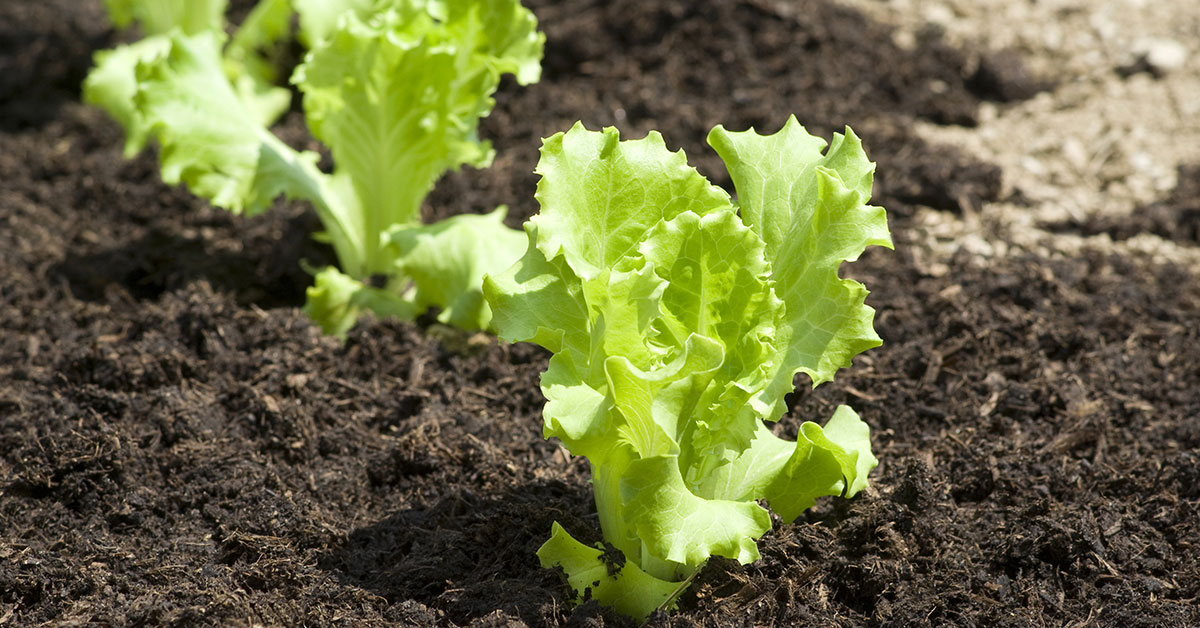

Welcome to the world of growing lettuce in Kentucky! If you’re a lettuce lover and want to grow your own fresh, crisp leaves right at home, you’ve come to the right place. Lettuce is a cool-season crop that thrives in the moderate climate of the Bluegrass State.
In this article, we will guide you through the best time to plant lettuce in Kentucky, ensuring a successful and bountiful harvest. From early spring plantings to fall crops, we will explore the optimal planting windows, ideal growing conditions, and recommended lettuce varieties that will thrive in your Kentucky garden. So, grab your gardening gloves and let’s get started on your lettuce-growing adventure!
Best lettuce varieties to grow in Kentucky
There are several varieties of lettuce that grow well in Kentucky’s climate. Here are a few recommendations:
- Black-seeded Simpson: This variety is a popular choice among gardeners in Kentucky. It has loose, frilly leaves that are tender and flavorful. It is a heat-tolerant variety and can be grown throughout the growing season.
- Butterhead (Bibb) Lettuce: Butterhead lettuce, such as the Bibb variety, is a favorite for its soft, buttery texture and mild flavor. It forms loose heads and is suitable for both spring and fall planting in Kentucky.
- Romaine (Cos) Lettuce: Romaine lettuce is another great option for Kentucky gardens. It has long, upright leaves and a crisp texture. Varieties like ‘Parris Island’ and ‘Romaine’ do well in the state’s climate.
- Red Leaf Lettuce: For some color in your garden, consider growing red leaf lettuce varieties such as ‘Red Salad Bowl’ or ‘Lollo Rossa.’ These varieties have beautiful red or maroon leaves and add visual interest to your salads.
- Oakleaf Lettuce: Oakleaf lettuce is known for its distinct lobed leaves that resemble oak tree leaves. It comes in both green and red varieties and has a mild, sweet flavor. ‘Salad Bowl’ and ‘Red Oakleaf’ are popular choices.
Remember to select varieties that are well-suited to your specific gardening conditions, such as sun exposure and soil type. Happy gardening!
When to plant Lettuce in Kentucky
Kentucky is divided into six different hardiness zones according to the United States Department of Agriculture (USDA) Plant Hardiness Zone Map. These zones are determined based on the average minimum winter temperatures in each region. Knowing your hardiness zone is essential as it helps you choose plants that are suitable for your specific climate.
The hardiness zones in Kentucky are as follows:
- Zone 6a: With minimum temperatures ranging from -10°F to -5°F (-23°C to -21°C), this zone covers areas like Covington, Newport, and parts of Lexington.
- Zone 6b: With minimum temperatures ranging from -5°F to 0°F (-21°C to -18°C), this zone covers areas like Louisville, Frankfort, and parts of Lexington.
- Zone 7a: With minimum temperatures ranging from 0°F to 5°F (-18°C to -15°C), this zone covers areas like Bowling Green, Owensboro, and Paducah.
- Zone 7b: With minimum temperatures ranging from 5°F to 10°F (-15°C to -12°C), this zone covers areas like Hopkinsville, Murray, and parts of Paducah.
- Zone 8a: With minimum temperatures ranging from 10°F to 15°F (-12°C to -9°C), this zone covers areas like Madisonville, Mayfield, and parts of Paducah.
- Zone 8b: With minimum temperatures ranging from 15°F to 20°F (-9°C to -7°C), this zone covers areas like Fulton and parts of Paducah.
Now, let’s talk about when it is the best time to plant lettuce in Kentucky. Lettuce is a cool-season crop that thrives in cooler temperatures and can tolerate some frost. The ideal time to plant lettuce in Kentucky is during the spring and fall seasons.
In the spring, you can start planting lettuce as soon as the soil can be worked, which is usually around mid to late March in most parts of Kentucky. However, you may need to protect young seedlings from frosts with row covers or cloches.
For a fall crop of lettuce, you can start planting in late summer, around mid to late August. This allows the lettuce to mature before the first frost arrives. You may also consider using row covers or cold frames to extend the growing season and protect plants from colder temperatures.
It’s important to note that lettuce prefers cooler temperatures between 45°F and 75°F (7°C to 24°C). In hotter summer months, lettuce tends to bolt (go to seed) quickly and becomes bitter. To mitigate this, you can choose heat-tolerant lettuce varieties or provide shade to keep the soil and plants cooler.
Remember to check the specific variety of lettuce you are planting for any additional requirements and recommendations. Additionally, local gardening resources, such as county extension offices or experienced gardeners in your area, can provide valuable insights and guidance based on your specific location within Kentucky.
When to harvest Lettuce in Kentucky
The optimal time to harvest lettuce in Kentucky typically falls between late spring and early summer. Lettuce is a cool-season crop and prefers temperatures between 45°F and 75°F (7°C to 24°C). In Kentucky, this temperature range is usually found in April through June. However, it’s important to note that lettuce varieties have different maturation times, so it’s best to refer to the specific variety’s seed packet or consult with your local agricultural extension for more accurate information. Additionally, keep an eye on the lettuce’s growth stage and harvest when the leaves are large enough to be enjoyed but before they become bitter or start to bolt (producing a flower stalk).
Other considerations
When growing lettuce in Kentucky, there are several other considerations to keep in mind:
- Temperature: Lettuce is a cool-season crop and prefers temperatures between 45-75°F. In Kentucky, the best time to grow lettuce is during the spring and fall when temperatures are cooler. Be aware of frost dates and protect lettuce plants if frost is expected.
- Sunlight: Lettuce prefers partial shade to full sun. Ensure that your garden receives at least 4-6 hours of sunlight daily. In hotter regions of Kentucky, some afternoon shade can help prevent the lettuce from bolting or going to seed too quickly.
- Soil: Lettuce grows best in well-draining soil rich in organic matter. Prepare the soil by adding compost or aged manure to improve its fertility and structure. A pH level of around 6.0-7.0 is ideal for lettuce.
- Watering: Consistent and adequate watering is crucial for lettuce. Keep the soil evenly moist, but not waterlogged. Avoid overhead watering to prevent fungal diseases. Instead, water at the base of the plants or use drip irrigation.
- Mulching: Mulching can help conserve moisture, suppress weeds, and regulate soil temperature. Apply a layer of organic mulch around the lettuce plants, such as straw or shredded leaves, to keep the soil cool and retain moisture.
- Fertilization: Before planting, incorporate a balanced, slow-release fertilizer into the soil. Additionally, side-dress the plants with nitrogen-rich fertilizer or compost during their growth to promote healthy leaf development.
- Pest and disease management: Keep an eye out for common pests such as slugs, snails, aphids, and caterpillars. Use organic pest control methods like handpicking, using insecticidal soaps, or introducing beneficial insects. Monitor for diseases like powdery mildew and downy mildew, and promptly remove affected plants to prevent spreading.
- Succession planting: To have a continuous harvest of lettuce, consider practicing succession planting. Start new seedlings every few weeks to ensure a constant supply of fresh lettuce throughout the growing season.
By considering these factors, you can increase your chances of successfully growing lettuce in Kentucky. Happy gardening!