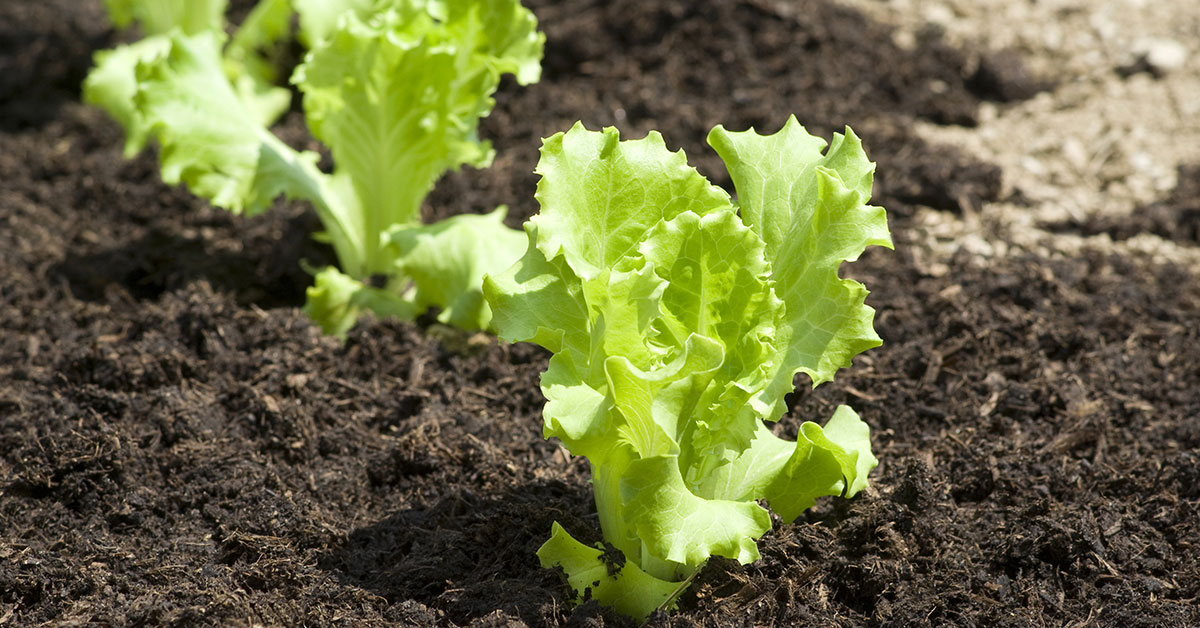

Welcome to the world of gardening in Massachusetts! If you’re an avid lettuce lover or a green thumb enthusiast looking to grow your own fresh produce, you’ve come to the right place. Lettuce, a cool-season crop, thrives in the moderate climate of Massachusetts. However, knowing the best time to plant lettuce in Massachusetts is crucial for a successful harvest.
In this article, we will delve into the ideal planting times, taking into consideration the different lettuce varieties, frost dates, and the region’s specific climate. So grab your gardening tools and get ready to learn all about the optimal timing to sow lettuce seeds or transplant seedlings in the Bay State!
Best varieties of lettuce to grow in Massachusetts
In Massachusetts, there are several varieties of lettuce that perform well in the local climate. Some popular and reliable varieties include:
- ‘Buttercrunch’: This variety is known for its tender leaves and sweet flavor. It forms loose heads and is resistant to bolting, making it suitable for both spring and fall growing seasons.
- ‘Black-seeded Simpson’: This lettuce variety is an heirloom with light green, frilly leaves. It is fast-growing and has a mild flavor. It is best suited for early spring and fall planting.
- ‘Romaine’: Romaine lettuce is a classic variety with crisp, elongated leaves and a slightly bitter taste. It is an excellent choice for Caesar salads and can tolerate warmer temperatures better than other lettuces.
- ‘Mesclun Mix’: This is not a specific variety, but rather a mix of various lettuce types, such as red and green leaf lettuce, arugula, and other salad greens. It offers a diverse range of flavors, textures, and colors, providing a vibrant addition to salads.
- ‘Red Sails’: This lettuce variety has attractive, burgundy-tinged leaves that add color to salads. It has a mild flavor and is suitable for both baby leaf and mature harvesting.
Remember to consider factors such as your growing conditions, preferred taste, and intended use (e.g., salads, sandwiches, etc.) when selecting lettuce varieties. Additionally, consult with local nurseries or agricultural extension offices for specific recommendations tailored to your area in Massachusetts.
When to plant Lettuce in Massachusetts
Massachusetts is located in USDA hardiness zones 5 and 6. These zones are characterized by cold winters and relatively short growing seasons.
In Massachusetts, the best time to plant lettuce depends on whether you are starting from seeds or transplants. If you are starting from seeds, you can begin sowing lettuce seeds indoors in late winter or early spring, around 4 to 6 weeks before the last expected frost date. This allows the seedlings to grow indoors and be ready to transplant outdoors once the weather warms up.
For direct sowing in the garden, you can start planting lettuce seeds outdoors in early spring, around 2 to 3 weeks before the last expected frost date. However, lettuce is a cool-season crop that prefers cooler temperatures for optimal growth. Therefore, you can also sow additional lettuce seeds in late summer or early fall, around 8 to 10 weeks before the first expected frost date. This will allow you to have a fall crop of lettuce as well.
It’s important to note that lettuce prefers cooler temperatures between 45°F (7°C) and 75°F (24°C), so it’s crucial to time your planting accordingly to avoid extreme heat in summer or freezing temperatures in winter.
Overall, in Massachusetts, the best time to plant lettuce is in early spring and late summer/early fall to take advantage of the cooler temperatures and ensure a successful harvest.
When to harvest Lettuce in Massachusetts
In Massachusetts, the optimal time to harvest lettuce is typically in early to mid-summer. Lettuce prefers cooler temperatures and can bolt, or go to seed, in hot weather. It is best to harvest lettuce when the leaves are crisp and tender, before they become bitter or start to wilt. Keep an eye on the weather and try to harvest lettuce in the morning or evening when temperatures are cooler.
Other considerations
When growing lettuce in Massachusetts, there are several other considerations to keep in mind:
- Temperature: Lettuce prefers cooler temperatures and can tolerate frost. However, in Massachusetts, the weather can be unpredictable. It is important to start lettuce seeds indoors or in a greenhouse and then transplant them outside once the danger of frost has passed. Additionally, you may need to provide some shade during hot summer days to prevent the lettuce from bolting (going to seed) too quickly.
- Soil: Lettuce grows best in well-draining soil that is rich in organic matter. Before planting, amend the soil with compost or well-rotted manure to improve its fertility and structure. A pH level between 6.0 and 7.0 is ideal for lettuce.
- Watering: Lettuce requires consistent moisture to grow well. Water the plants regularly, aiming to keep the soil evenly moist but not waterlogged. Mulching around the plants can help conserve moisture and prevent weed growth.
- Sunlight: Lettuce prefers partial shade or filtered sunlight, especially during the hotter months. If you have a sunny garden, consider planting lettuce in a location that receives some shade during the hottest part of the day.
- Succession planting: To have a continuous harvest of lettuce throughout the growing season, practice succession planting. Start new seeds every two weeks or so to ensure a steady supply of fresh lettuce leaves.
- Pest control: Common pests that can affect lettuce in Massachusetts include slugs, snails, aphids, and flea beetles. Use organic pest control methods such as handpicking, applying diatomaceous earth, or using insecticidal soaps to keep these pests at bay.
- Disease prevention: Lettuce can be susceptible to diseases such as downy mildew, powdery mildew, and lettuce mosaic virus. To prevent these diseases, avoid overcrowding plants, provide good air circulation, and practice crop rotation.
- Harvesting: Harvest lettuce leaves when they reach the desired size. Cut the outer leaves, leaving the inner leaves to continue growing. This will allow the plant to produce more leaves for future harvests.
By considering these factors and providing the necessary care, you can enjoy a bountiful harvest of lettuce in Massachusetts.