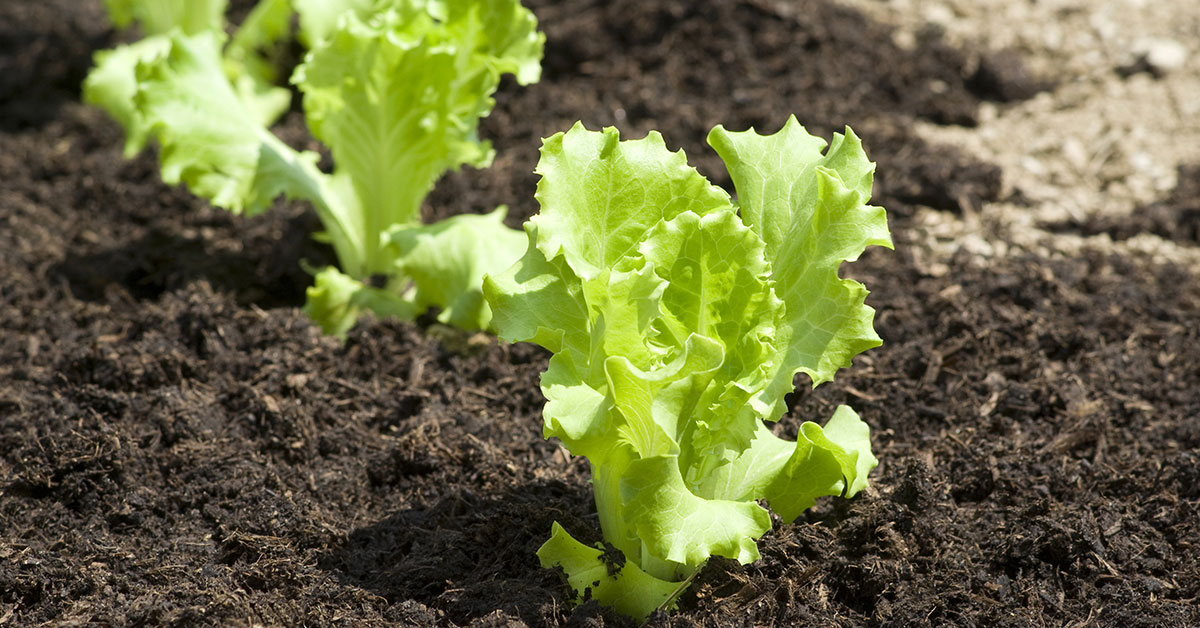

If you’re a resident of Missouri and have a passion for gardening, then you’re in luck! However, like any other plant, lettuce has its own preferred planting time to ensure optimal growth and yields. In this comprehensive guide, we will explore the best time to plant lettuce in Missouri, taking into consideration the region’s weather patterns, frost dates, and the different lettuce varieties available.
Whether you’re a seasoned gardener or a novice enthusiast, this article will equip you with the knowledge and confidence to successfully grow your own delicious lettuce crop. So, let’s dive in and discover the perfect timing for lettuce planting in Missouri!
Best lettuce varieties to grow in Missouri
There are several lettuce varieties that grow well in Missouri’s climate. Here are a few popular options:
- Butterhead Lettuce: Varieties like ‘Bibb’ and ‘Buttercrunch’ are excellent choices for Missouri. They have tender leaves and a mild, buttery flavor.
- Romaine Lettuce: ‘Parris Island’ and ‘Green Towers’ are two romaine varieties that thrive in Missouri. They have crisp, upright leaves and a slightly stronger taste compared to butterhead lettuce.
- Looseleaf Lettuce: ‘Red Sails’ and ‘Oakleaf’ are popular looseleaf varieties that do well in Missouri. They have colorful, frilly leaves and a mild flavor.
- Crisphead Lettuce: ‘Iceberg’ is a classic crisphead lettuce variety that can be grown in Missouri. It forms tight, compact heads with crunchy leaves.
- Batavian Lettuce: Varieties like ‘Nevada’ and ‘Summer Crisp’ are heat-tolerant and suitable for Missouri’s summers. They have slightly thicker leaves and a crisp texture.
Remember to choose varieties that are suitable for both spring and fall planting, as Missouri’s climate allows for cool-season lettuce cultivation. Also, consider succession planting to ensure a continuous harvest throughout the growing season.
When to plant Lettuce in Missouri
Missouri is divided into four primary hardiness zones: Zone 5b, Zone 6a, Zone 6b, and Zone 7a.
In Zone 5b, which covers the northern part of the state, the average minimum winter temperature ranges from -15 to -10 degrees Fahrenheit (-26 to -23 degrees Celsius). In Zone 6a, which covers the central part of the state, the average minimum winter temperature ranges from -10 to -5 degrees Fahrenheit (-23 to -21 degrees Celsius). In Zone 6b, which covers the south-central part of the state, the average minimum winter temperature ranges from -5 to 0 degrees Fahrenheit (-21 to -18 degrees Celsius). Lastly, in Zone 7a, which covers the southern part of the state, the average minimum winter temperature ranges from 0 to 5 degrees Fahrenheit (-18 to -15 degrees Celsius).
Lettuce is a cool-season crop and prefers cool temperatures for optimal growth. The best time to plant lettuce in Missouri is during the spring or fall when temperatures are cooler. In the spring, you can start planting lettuce as soon as the soil can be worked, which is typically around mid-March to early April in most parts of the state. In the fall, you can plant lettuce again in late summer, around mid-August to early September, for a fall harvest.
It’s important to note that lettuce prefers temperatures between 45 to 75 degrees Fahrenheit (7 to 24 degrees Celsius). If temperatures consistently exceed 75 degrees Fahrenheit (24 degrees Celsius), lettuce may bolt (go to seed) and become bitter. To extend the lettuce growing season in Missouri, you can use techniques like providing shade or using row covers to protect the plants during hot summer days.
Overall, planting lettuce in Missouri can be done in both the spring and fall, taking into consideration the specific hardiness zone you are in and the temperature ranges during those seasons.
When to harvest Lettuce in Missouri
The optimal time to harvest lettuce in Missouri can vary depending on the specific variety of lettuce and the growing conditions. However, in general, lettuce is typically ready to harvest when the leaves are mature and have reached a desirable size.
For most lettuce varieties, you can start harvesting leaves when they reach about 4-6 inches in length. You can either harvest the outer leaves individually, allowing the inner leaves to continue growing, or you can cut the entire head of lettuce at the base, just above the soil level.
In Missouri, lettuce can be grown as a cool-season crop, so it’s best to plant it in early spring or late summer for the best results. Keep in mind that lettuce prefers cooler temperatures and may bolt (go to seed) or turn bitter if exposed to prolonged heat.
To determine if your lettuce is ready to harvest, simply inspect the leaves and check their size and texture. They should be crisp, tender, and have a vibrant green color. Avoid waiting too long to harvest, as lettuce can become tough and bitter if left in the ground for too long or exposed to hot weather.
Overall, keep an eye on the growth and appearance of your lettuce plants, and when the leaves are at the desired size and quality, it’s time to start harvesting.
Other considerations
When growing lettuce in Missouri, there are a few other considerations to keep in mind:
- Climate: Missouri has a humid continental climate, with hot summers and cold winters. Lettuce prefers cool temperatures, so it’s important to choose lettuce varieties that are suitable for the specific climate in your area. Opt for heat-tolerant varieties for summer planting and cold-hardy varieties for winter planting.
- Soil: Lettuce thrives in well-drained, fertile soil with a pH range between 6.0 and 7.0. It’s a good idea to amend the soil with organic matter such as compost or well-rotted manure to improve its fertility and moisture-holding capacity. Regular soil testing can help ensure the nutrient levels are adequate for healthy lettuce growth.
- Watering: Lettuce requires consistent moisture to grow well. Water the plants regularly, aiming for about 1 inch of water per week. It’s important to water at the base of the plants to prevent moisture-related diseases, such as fungal infections. Mulching around the plants can help retain soil moisture and suppress weed growth.
- Sun exposure: While lettuce prefers cool temperatures, it still requires adequate sunlight for healthy growth. Ensure that your lettuce beds receive at least 6 hours of direct sunlight per day. However, in hot summer months, some shade or afternoon protection may be beneficial to prevent the lettuce from bolting (going to seed prematurely).
- Pest and disease control: Keep an eye out for common lettuce pests such as aphids, slugs, and snails. Regularly inspect the plants for any signs of infestation and take appropriate measures, such as handpicking or using organic pest control methods. Additionally, watch out for diseases like downy mildew and powdery mildew, which can affect lettuce. Providing good air circulation, avoiding overhead watering, and promptly removing any infected plants can help prevent the spread of diseases.
- Succession planting: To ensure a continuous harvest, consider practicing succession planting. Sow small batches of lettuce seeds every 1-2 weeks, starting from early spring to late summer. This will allow you to have a steady supply of fresh lettuce throughout the growing season.
By considering these factors, you can increase your chances of successfully growing lettuce in Missouri. Happy gardening!