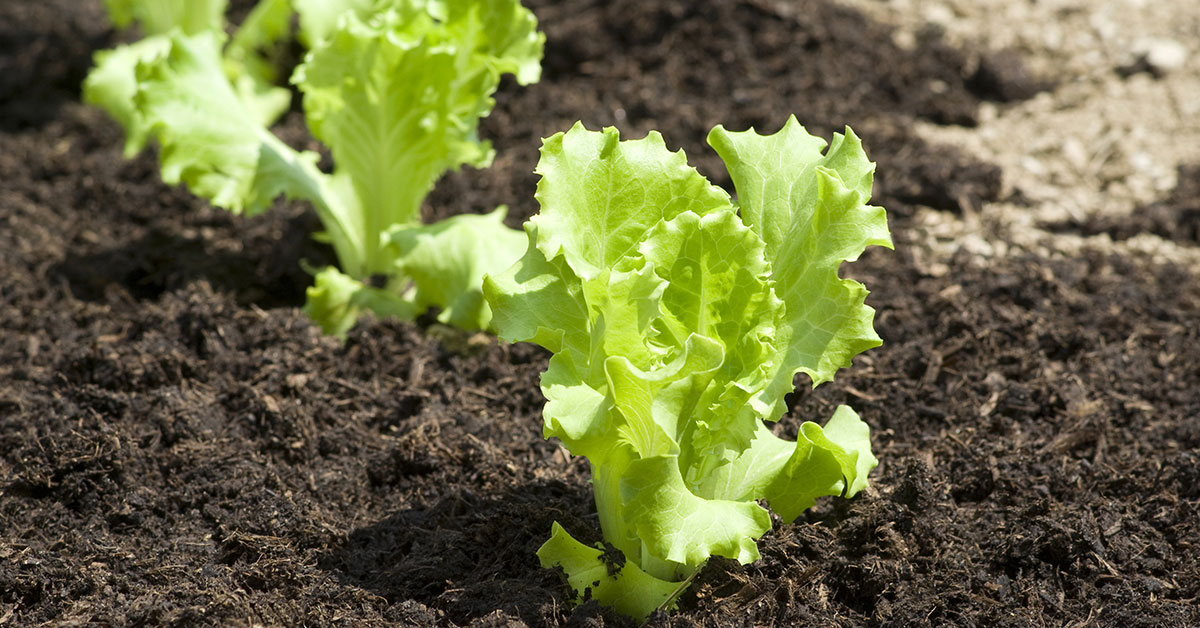

Are you a gardening enthusiast in the beautiful state of New Jersey, eager to grow your own fresh and crisp lettuce? Look no further! As an experienced gardener, I am here to guide you on the best time to plant lettuce in New Jersey.
Lettuce, a cool-season crop, thrives in the mild temperatures of spring and fall, making it an ideal addition to any garden. In this article, we will explore the optimal planting times, suitable lettuce varieties for New Jersey’s climate, and essential tips and tricks to ensure a successful lettuce harvest. So grab your gardening gloves and get ready to cultivate a bountiful crop of lettuce that will add a delightful touch to your salads and sandwiches all season long.
Best lettuce varieties to grow in New Jersey
There are several lettuce varieties that grow well in New Jersey’s climate. Here are a few popular options:
- Butterhead Lettuce: Varieties like ‘Buttercrunch’ and ‘Bibb’ are excellent choices for New Jersey. They have tender leaves, a mild flavor, and form loose heads.
- Romaine Lettuce: ‘Parris Island’ and ‘Green Towers’ are popular romaine lettuce varieties that do well in New Jersey. They have crisp, upright leaves and a slightly stronger flavor compared to butterhead lettuce.
- Loose Leaf Lettuce: Varieties such as ‘Red Sails’ and ‘Salad Bowl’ are great options for those who prefer loose leaf lettuce. They have attractive, frilly leaves in different shades of green and red.
- Crisphead Lettuce: Although crisphead lettuce can be more challenging to grow, varieties like ‘Great Lakes’ and ‘Iceberg’ can be successful in New Jersey. They form tight, compact heads and have a satisfying, crunchy texture.
- Oakleaf Lettuce: ‘Royal Oakleaf’ and ‘Red Oakleaf’ are popular oakleaf lettuce varieties that thrive in New Jersey. They have beautiful, lobed leaves and a mild, sweet flavor.
Remember to consider factors such as disease resistance, days to maturity, and your personal preference when selecting lettuce varieties for your garden.
When to plant Lettuce in New Jersey
New Jersey is located in USDA hardiness zones 6a to 7b. These hardiness zones indicate the average minimum winter temperatures experienced in each region. Zone 6a experiences minimum temperatures between -10°F to -5°F (-23°C to -21°C), while zone 7b has minimum temperatures between 5°F to 10°F (-15°C to -12°C).
When it comes to planting lettuce in New Jersey, it is important to consider both the spring and fall planting seasons. Lettuce is a cool-season crop that thrives in cooler temperatures and can tolerate a light frost.
For spring planting, it is best to sow lettuce seeds outdoors as soon as the soil can be worked, typically in early April for most parts of New Jersey. The soil temperature should be around 40°F (4°C) or higher for successful germination. Lettuce seeds can be sown directly into the garden beds, ensuring a depth of about 1/4 to 1/2 inch (6 to 13 mm). It is recommended to provide some protection to young seedlings during any late frosts by using row covers or cloches.
For fall planting, lettuce can be sown around mid to late August, taking advantage of the cooler temperatures and longer growing season. By planting lettuce in late summer, you can ensure a harvest before the first frost hits. Lettuce germination and growth is optimal when the soil temperature ranges between 60°F to 70°F (15°C to 21°C). You can extend the fall growing season by using row covers or cold frames to protect the lettuce from frost and cold temperatures.
It is important to note that lettuce prefers well-drained soil with a pH level between 6.0 and 7.0. Regular watering is crucial to keep the soil moist but not waterlogged. Lettuce also benefits from partial shade during the hotter months to prevent bolting, which is when the plant prematurely produces flowers and goes to seed.
By considering the hardiness zones and the recommended planting times for lettuce in New Jersey, you can successfully grow this cool-season crop and enjoy fresh, homegrown lettuce throughout the year.
When to harvest Lettuce in New Jersey
The optimal time to harvest lettuce in New Jersey depends on the specific variety of lettuce you are growing and the desired stage of maturity. However, in general, lettuce can be harvested when the leaves are large enough to be used and before they become overly mature or begin to bolt (produce a flowering stem).
For most lettuce varieties, you can start harvesting the outer leaves when they reach 3-4 inches in length. This is called “cut and come again” harvesting, where you selectively harvest outer leaves while allowing the plant to continue growing. This method allows you to harvest lettuce over an extended period.
If you prefer to harvest the entire plant at once, you can wait until the lettuce heads are fully formed but still tender and before they start to elongate or produce a flowering stem. This usually occurs around 50-60 days after sowing, but it can vary depending on the specific variety and growing conditions.
To ensure the best quality and taste, it’s advisable to harvest lettuce in the early morning when the leaves are crisp and before the heat of the day causes wilting. Additionally, keep an eye on the weather forecast and avoid harvesting after heavy rainfall to prevent waterlogged leaves.
Other considerations
When growing lettuce in New Jersey, there are a few additional considerations to keep in mind:
- Seasonal Planting: Lettuce prefers cool weather and grows best in spring and fall temperatures. In New Jersey, it’s important to plan your planting schedule accordingly. Start seeds indoors or in a greenhouse around 4-6 weeks before the last frost date in spring, and again in late summer for a fall harvest.
- Sunlight Requirements: Lettuce grows best in partial shade or in areas that receive morning sun and afternoon shade. In New Jersey, where summers can be hot, providing some shade during the hottest part of the day can help prevent the lettuce from bolting (going to seed) too quickly.
- Soil Preparation: Prepare your soil by incorporating organic matter, such as compost or well-rotted manure, to improve drainage and fertility. Lettuce prefers well-drained soil with a slightly acidic pH between 6.0 and 7.0.
- Watering: Consistent moisture is essential for lettuce growth. In New Jersey, where summers can be dry, regular watering is crucial. Aim to keep the soil evenly moist, but not waterlogged. Avoid overhead watering, as it can increase the risk of fungal diseases. Consider using soaker hoses or drip irrigation to water at the base of the plants.
- Pest Management: Keep an eye out for common pests such as aphids, slugs, and snails. Consider using organic pest control methods, such as companion planting, row covers, or handpicking pests. Regularly inspect your plants for any signs of pest damage and take appropriate action.
- Succession Planting: To extend your lettuce harvest throughout the season, consider practicing succession planting. This involves planting a new crop of lettuce every few weeks, so you have a continuous supply of fresh leaves. This method can help you avoid a glut of lettuce at once.
- Protection from Extreme Weather: New Jersey can experience both hot summers and cold winters. Provide protection for your lettuce during extreme weather conditions. In summer, consider using shade cloth or row covers to protect the plants from excessive heat. In winter, consider using cold frames or row covers to extend the growing season.
By considering these factors, you can optimize the growing conditions for lettuce in New Jersey and enjoy a bountiful harvest.